Written by: Matthew Timmins, Founder and Managing Director, Leva Sleep
Getting good sleep can be tough, especially when you and your partner disagree on the bedroom temperature. For many Canadian couples, this small issue can lead to restless nights, tired days, and even tension at home. Personal comfort matters, and finding a way to meet both partners’ needs can make a big difference in sleep quality and relationship harmony. Leva Sleep offers a practical solution with adjustable beds that let each person set their own temperature, so you can share a bed without sacrificing comfort.
How Temperature Affects Your Sleep Quality
What Science Says About Sleep Temperature
Your body needs a specific temperature range to sleep well. Most adults sleep best between 15.6°C and 19.4°C, or 60°F to 67°F. This range helps your body cool down naturally at night, which supports deeper sleep stages like REM and slow-wave sleep.
Your internal clock, or circadian rhythm, ties closely to temperature changes. A room that’s too warm can keep you awake or reduce deeper sleep. Warm environments often cause more wakefulness and fragmented rest. On the other hand, a room that’s too cold can make muscles tense and delay falling asleep.
Poor temperature control does more than just interrupt sleep. Extreme temperatures can mess with your circadian rhythm, making it harder to fall or stay asleep. Over time, this can affect your focus, weaken your immune system, and raise stress levels.
Key Sleep Temperature Terms to Know
A few terms help explain how temperature impacts sleep. Circadian rhythm is your body’s 24-hour cycle that controls sleep, wakefulness, and temperature changes. Thermoregulation is how your body keeps its core temperature steady. REM sleep, tied to dreams and memory, and slow-wave sleep, the deepest rest phase, both depend on the right room conditions for quality sleep.
Why Couples Clash Over Sleep Temperatures
What Causes Temperature Differences?
Disagreements over bedroom temperature often stem from real physical differences. Factors like metabolic rate, age, sex, and hormones shape how warm or cool someone feels at night. These differences can make one partner comfortable while the other struggles.
For instance, women going through menopause may need cooler settings due to hot flashes or night sweats. Meanwhile, people with higher metabolism often prefer cooler conditions, while those with slower rates might want more warmth. Age also shifts how your body handles temperature as circulation and metabolism change over time.
When temperatures don’t match personal needs, the body reacts. Sleeping too hot can lead to sweating, waking up often, or a faster heart rate, while too cold settings might cause tight muscles and trouble falling asleep. This cycle of discomfort disrupts rest for both partners.
How Temperature Clashes Affect Sleep and Relationships
Temperature disagreements can seriously impact couples. They rank among the top causes of sleep disturbances for partners sharing a bed. One person might sweat through the night while the other shivers, causing broken sleep and frustration.
The effects spill over into daily life. Poor sleep from temperature issues can increase stress, weaken immunity, and lead to arguments. Constant discomfort at night can lower mood, cloud thinking, and strain communication between partners.
Many couples face tough choices, like sacrificing comfort, sleeping apart, or dealing with ongoing sleep loss. Finding a solution that works for both is vital for better rest and a stronger bond.
Why Traditional Fixes Don’t Always Work
Common ways to manage sleep temperature often fall short. Fans or air conditioning adjust the whole room but ignore individual needs and can raise energy bills. These options rarely satisfy either partner fully.
Even mattress solutions have limits. Cooling gels or breathable fabrics help with heat but often don’t offer enough control. Plus, most bedding applies the same temperature across the entire bed, leaving little room for personal adjustments.
Strategies like extra blankets, separate bedding, or small fans create uneven results. They lack precision, waste energy, and sometimes disrupt other aspects of sleep, like air flow or closeness with your partner.
Solve Temperature Disputes with Leva Sleep’s Adjustable Beds
Personalized Comfort with Dual-Zone Control
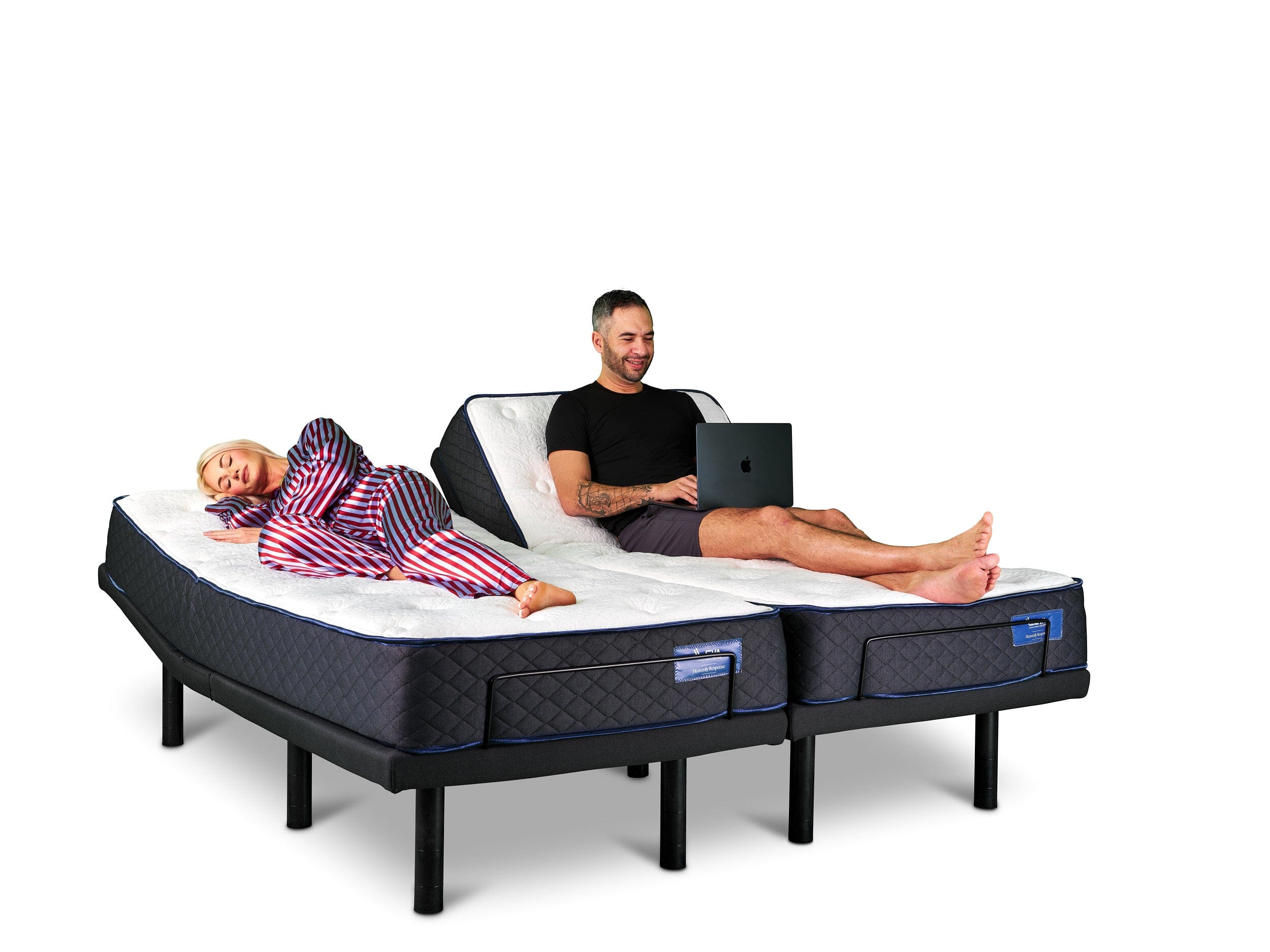
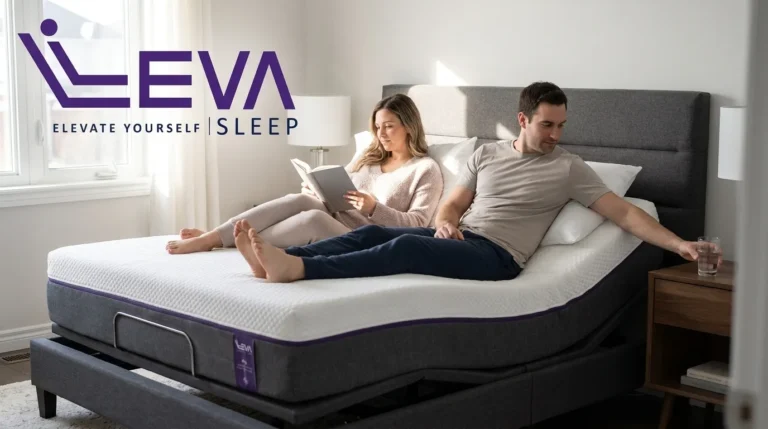
Leva Sleep offers a fresh approach to shared sleep. Our adjustable beds come with separate heating and cooling systems for each side. This lets couples set their own ideal temperature while staying together in the same bed. No more compromises or sleepless nights.
Unlike basic fixes, our Split King and Split Queen beds focus on individual comfort. Each partner gets their own climate zone without affecting the other, keeping both personal rest and shared connection intact.
How Dual Heating and Cooling Works
Leva Sleep beds use advanced pads to manage temperature. These pads rely on water or air systems to adjust heat or coolness on each side. You control your zone with ease, avoiding uneven hot or cold spots.
Our technology offers precise settings. Dual-zone controls let each person pick their preferred temperature for a custom sleep environment. The system adjusts quickly and stays steady all night.
Adjustments are simple and quiet. Sensors and remote options allow easy changes or scheduled settings. You can pre-set temperatures or tweak them without waking your partner.
Extra Features for Better Rest
Leva Sleep goes beyond just temperature. Our systems pair with adjustable bases, keeping comfort consistent even when changing positions. Whether reading or sleeping, your climate stays just right.
Additional options enhance the experience. Features like anti-snore mode, zero-gravity settings, and leg elevation work with temperature control for added ease. The bed can even adjust warmth when shifting to reduce snoring.
Control everything through the Leva Sleep app. Set custom profiles that sync temperature, position, and massage settings for a complete sleep setup tailored to you and your partner.
Explore Leva Sleep adjustable beds with personal temperature control now and see how custom comfort transforms your rest.
Why Invest in Better Sleep with Leva Sleep?
Do You Need a Temperature-Controlled Bed?
Before choosing a sleep solution, think about your current challenges. Do temperature disagreements wake you or your partner often? Have you considered separate rooms for comfort? Do issues like snoring or back pain add to the problem? If so, a custom temperature bed could help.
Leva Sleep beds suit couples who want personal comfort without losing closeness. If nightly compromises leave you restless or create tension, a tailored sleep system supports both your health and your relationship.
What Makes Leva Sleep a Smart Choice?
Leva Sleep beds with temperature control are an upfront investment with real value. Our direct approach to design and sales cuts costs by 30 to 50 percent compared to similar products. You get high-quality features without the extra price tag.
Better sleep pays off over time. It boosts focus, lowers health costs from poor rest, and even aids career success through sharper thinking and steadier moods. As a long-term step for wellness and connection, this system offers clear benefits.
Think about the ongoing costs of bad sleep, like lost productivity, medical expenses, or relationship strain. A single, complete solution often saves more than patchwork fixes or constant trade-offs.
Save Energy with Targeted Temperature Control
Leva Sleep’s focused heating and cooling beats whole-room systems for efficiency. Bed-specific temperature control cuts energy use compared to full HVAC setups. You only adjust your sleep area, not the entire space.
This focused method helps the environment too. Targeting just the bed can lower household energy use by 15 to 30 percent. Less waste means a smaller footprint.
Smart features add to savings. Schedules and sensors optimize power use for minimal impact. Pre-warm or cool your bed, then let the system maintain comfort efficiently all night.
Health Gains from Ideal Sleep Temperatures
Getting your sleep temperature right offers more than just comfort. Custom temperatures can ease insomnia, boost sleep quality, and manage issues like hot flashes or night sweats. These gains improve overall wellness.
For specific conditions, benefits stand out. Cooler settings can lessen sleep apnea symptoms and cut nighttime waking. Paired with adjustable positions, this helps many couples find relief.
Long-term effects matter too. Steady sleep temperatures support heart health, metabolism, and mood balance. Over time, this means better aging, stronger immunity, and lower risk of sleep-related health issues.
Set Up Your Ideal Sleep Space with Leva Sleep
Pair Your Bed with Good Sleep Habits
Leva Sleep beds create a strong base for rest, but other habits help maximize results. Stick to regular sleep and wake times to match your body’s natural rhythm. Wind down by dimming lights and skipping screens an hour before bed to avoid disrupting your temperature drop.
Look at your whole bedroom setup. Use blackout curtains, keep humidity between 30 and 50 percent, and reduce noise. These elements work with temperature control to build a restful space.
Watch pre-bed activities too. Heavy workouts, hot showers, or big meals near bedtime can raise body heat, so adjust your bed settings to balance these effects.
Get the Most from Leva Sleep Technology
The Leva Sleep app puts full control at your fingertips. Set up separate profiles for you and your partner with preferred temperatures, schedules, and special needs like seasonal shifts. Start with small temperature changes and align them with sleep routines for best results.
Make gradual tweaks, adjusting by 1 or 2 degrees over a few nights to find your sweet spot. Program schedules to warm the bed before sleep, hold steady overnight, and gently warm up for an easier morning.
Combine settings for added comfort. Sync temperature with bed positions like head elevation for better airflow and rest. Test different combos to optimize your setup.
Easy Start with White-Glove Delivery
Leva Sleep’s white-glove service makes setup hassle-free. Our team delivers to your bedroom, removes your old bed, sets up the system, and walks you through every feature. You can enjoy better sleep from day one.
During setup, technicians tailor the system to your needs, show you controls, and offer tips for ideal settings. This hands-on support ensures you’re ready to benefit right away.
Avoid Common Sleep Temperature Mistakes
Don’t Assume One Temperature Fits Both
Many couples think a standard temperature works for everyone, but needs vary widely. The idea of a universal ‘room temperature’ around 21°C often ignores personal differences. Settling on a middle ground can leave both partners uneasy.
Focus on custom sleep spaces instead. Aim to create conditions where each person feels their best, not just tolerable. Dual-zone control makes this possible without compromise.
Don’t Ignore Temperature’s Effect on Your Bond
Some couples see temperature issues as minor, but they can harm sleep and relationships over time. Ongoing discomfort breeds irritability, poor communication, and less closeness, sometimes pushing partners to sleep apart. A shared bed with personal comfort preserves both rest and connection.
Don’t Settle for Temporary Fixes
Quick solutions like extra fans or multiple blankets often lead to inconsistent results. Layered bedding or clothes can’t always offset poor room conditions, especially with mixed needs.
These stopgaps add costs, noise, and effort while falling short. A full, integrated system like Leva Sleep cuts through these issues for lasting comfort at a better overall value.
Find your ideal adjustable bed with custom temperature control at Leva Sleep today and skip the pitfalls that stop couples from resting well.
Common Questions About Sleep Temperature and Adjustable Beds
What Temperature Works Best for Sleep, and Why Does It Matter for Couples?
Most adults sleep best between 15.6°C and 19.4°C, or 60°F to 67°F. This range supports the body’s natural cooling during sleep, aiding deep rest. But differences in metabolism, age, sex, and hormones mean partners often need distinct settings. Personalized control helps avoid sleep disruptions and keeps both comfortable in the same bed.
How Do Leva Sleep Beds Fix Temperature Disagreements?
Leva Sleep adjustable beds have separate heating and cooling pads for each side. Each partner sets their own temperature using water or air-based tech, creating a personal sleep zone. The system adjusts fast, stays consistent, and pairs with the Leva Sleep app for schedules or quick changes. This setup lets couples share a bed with full individual comfort.
Are Temperature-Controlled Beds More Energy Efficient?
Yes, Leva Sleep’s targeted systems save energy compared to full-room HVAC. Focusing on the bed area cuts household energy use by 15 to 30 percent. Smart schedules and sensors reduce waste, prepping the bed before sleep and maintaining comfort efficiently, which lowers bills and environmental impact.
What Health Improvements Come from Proper Sleep Temperature?
Custom sleep temperatures ease insomnia, improve rest quality, and help with hot flashes, night sweats, or sleep apnea. Cooler settings cut apnea symptoms and waking at night. Over time, this supports heart health, metabolism, mood, and immunity, while better sleep for couples reduces stress and boosts connection.
Is a Temperature-Controlled Bed Right for Us?
If temperature differences disrupt your sleep, wake you often, or make separate rooms seem like an option, Leva Sleep’s beds can help. They’re especially useful for couples with conditions like menopause or sleep apnea. For those who value sharing a bed but need personal comfort, this solution balances health and closeness effectively.
Rest Better Together with Leva Sleep
Finding the right sleep temperature is key to your health, mood, and relationship, especially when sharing a bed poses challenges. Science shows temperature plays a major role in sleep quality and overall wellness. For couples, differing needs can lead to tough compromises or distance.
Leva Sleep changes the game with adjustable beds that offer separate temperature zones. Each partner gets their ideal setting, plus features like quiet motors and app control, all while staying close. This eliminates trade-offs and supports better rest.
The benefits go beyond the bed. With prices 30 to 50 percent below similar options, Canadian-made parts, and full setup service, Leva Sleep makes quality sleep accessible. Long-term gains in health, energy savings, and relationship strength make this a wise choice.
You don’t have to pick between comfort and closeness. Today’s technology lets both partners sleep well together. If you’re ready to improve your nights and your bond, the answer is within reach.
Stop settling for less. Your rest, health, and partnership deserve attention. Check out Leva Sleep adjustable beds with custom temperature control today and start sleeping better, together.