Written by: Matthew Timmins, Founder and Managing Director, Leva Sleep
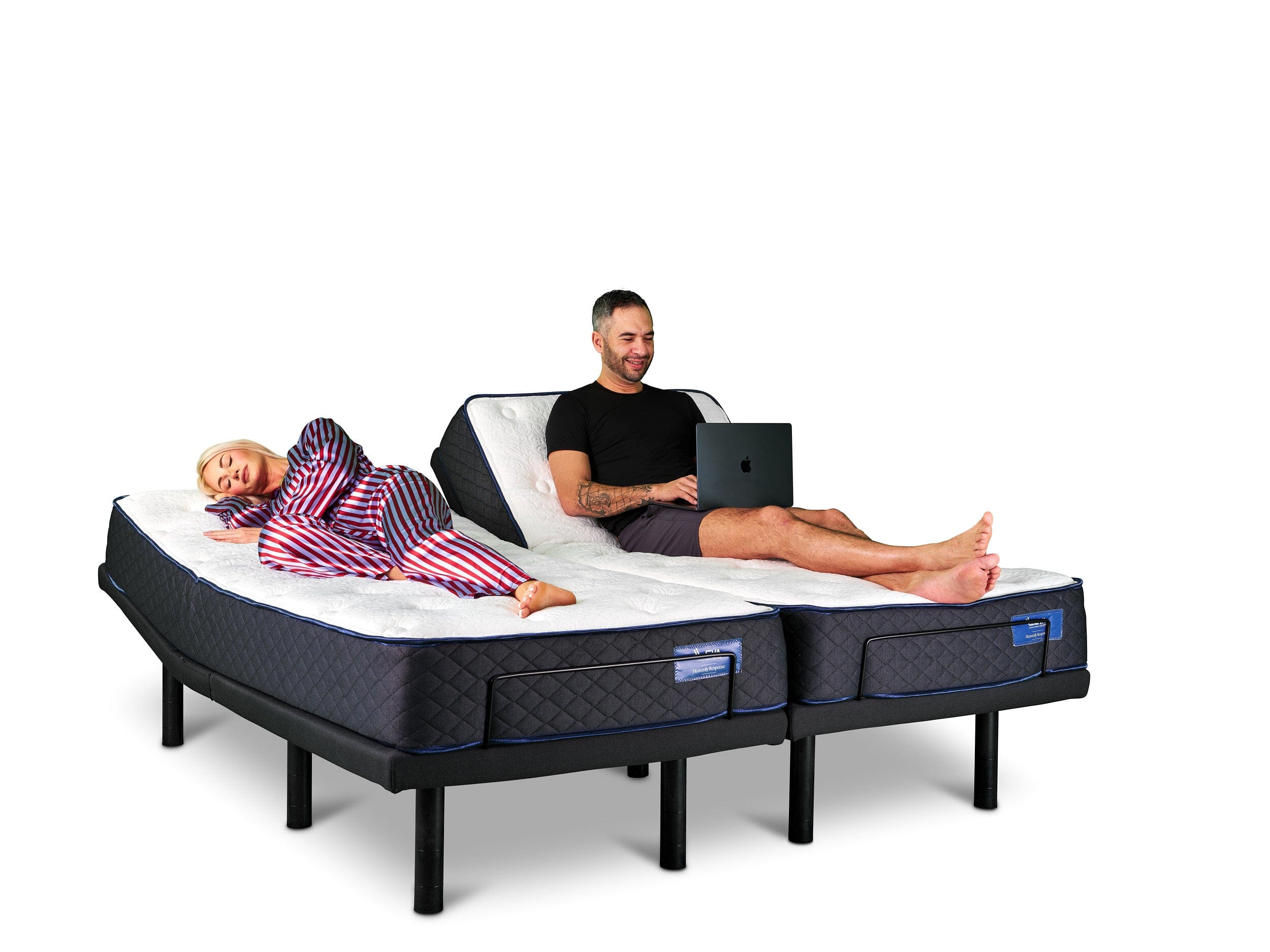
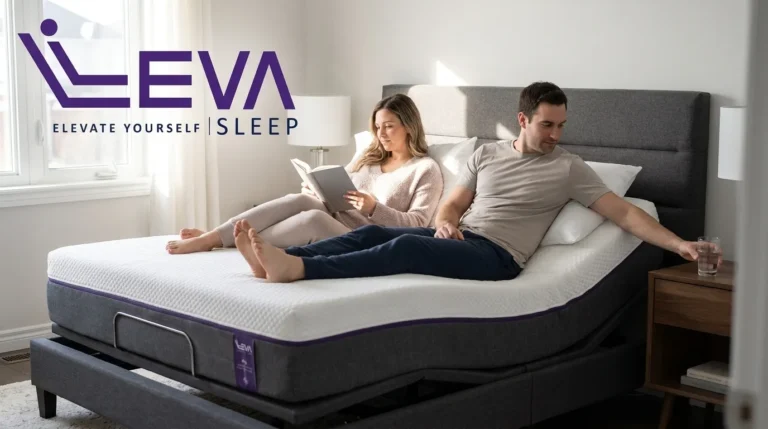
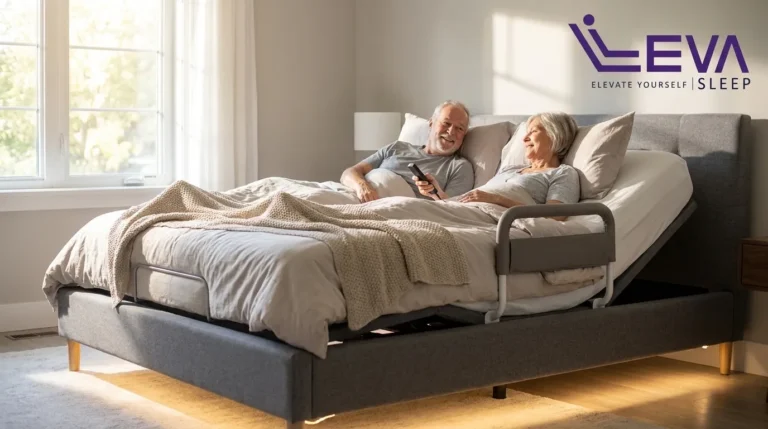
Creating the perfect sleep environment can make a huge difference for couples, especially when you’re using adjustable beds. Cooling heating pads designed for these beds offer a practical way to address temperature differences between partners, helping both of you sleep better. Let’s explore how these pads can improve comfort and bring harmony to your shared sleep space.
First, a quick look at what these pads do: dual-zone thermoregulation lets each partner set their own temperature, active systems provide real heating and cooling, and smart integration ensures everything works smoothly with your adjustable bed. This setup directly tackles common sleep issues like night sweats or differing temperature needs, so you can rest easy without conflict.
If you’re tired of compromising on comfort, check out Leva Sleep’s adjustable bed packages that combine personalized temperature control with shared intimacy.
Why Temperature Control Matters for Couples’ Sleep
Temperature control plays a critical role in achieving quality sleep, particularly for couples with adjustable beds.
Options on the market include passive materials, like bamboo or latex for airflow, and active systems with features like phase-change materials or graphite gels for heat management. Many newer systems blend both for complete temperature control.
Older methods, such as separate blankets or basic fans, often fall short. They can slip during bed adjustments, make noise, or fail to work with specialized bedding. Standalone solutions tend to cause compatibility issues with adjustable beds, especially when positions change often.
Integrated temperature control shows that good sleep depends on systems working together. For couples, it’s not just about personal comfort, it’s about building a shared space where both can rest well without giving up on their preferences.
How to Pick the Right Cooling Heating Pad for Your Adjustable Bed
Choosing a cooling heating pad for your adjustable bed involves weighing several factors to ensure both short-term comfort and lasting satisfaction. Let’s break down the key points to consider for you and your partner.
Integrated Systems or Standalone Pads?
Deciding between an integrated system and a standalone pad is a big first step. Integrated setups often deliver better results than separate add-ons, maintaining consistent performance no matter how your bed moves.
Standalone pads might seem cheaper at first, but they often shift during adjustments, lose connections, or disrupt bed features like elevation. What looks like a saving can turn into added costs and hassle when you factor in replacements or poor performance.
Dual Zones and App Control
Dual-zone control is essential for couples with different temperature needs. Systems now allow one partner to cool their side while the other warms theirs, avoiding the need for either to adjust uncomfortably.
Companies offer zoned control to handle night sweats or personal preferences instantly. Adding app control makes it even easier, letting you tweak settings without getting up or waking your partner.
Quiet Operation
A quiet system is a must for undisturbed sleep. Older cooling or heating units often buzz or hum, breaking the calm you need at night. High-quality integrated pads focus on silent design, so temperature changes happen without a sound.
Look for products with strong motors and good insulation to avoid clicks or air noise. A well-designed pad keeps everything peaceful, even during adjustments.
Compatibility with Bedding
Adjustable beds need specific bedding to stay in place during movement. Your cooling heating pad should pair well with these materials, like elastic sheets or deep-pocket designs, to keep temperature control effective.
Integrated systems often come with compatible bedding, ensuring that bed adjustments, temperature settings, and fabric work as a unit, not against each other.
Maintenance and Durability
Ease of upkeep matters for long-term use. Top systems need little care, maybe just a water refill every six months, while still performing reliably. Integrated designs last longer since they’re built to handle the wear of adjustable bed movements.
When everything is designed together, from temperature controls to bed mechanics, wear is more predictable, cutting down on sudden breakdowns or performance drops.
What Makes Leva Sleep’s Climate Control Stand Out for Couples?
Leva Sleep offers a tailored approach to temperature control for adjustable beds, focusing on individual needs within a shared sleep setup. Their system highlights how smart design can improve couple’s sleep quality.
Personalized Control via App
With Leva Sleep, each partner gets their own temperature zone through an easy-to-use app that adapts to your preferences over time. One of you can cool down while the other warms up, solving temperature disagreements effortlessly.
The app goes beyond basic settings, offering schedules, sleep tracking, and automatic tweaks based on your patterns. It adjusts through the night to keep you comfortable without any effort.
Silent Performance
Leva Sleep systems run quietly, thanks to precise motors and insulation. You won’t hear fans or pumps disrupting your rest, even when the bed shifts positions or temperatures change.
This quiet design ensures that all features, from elevation to massage, work together without adding noise, keeping your bedroom a calm space for sleep.
Bedding That Works With Your Bed
Leva Sleep’s bedding is made for adjustable bases and climate control. Elastic sheets and deep pockets stay put during movement, while allowing proper airflow and temperature flow from the pad.
Extras like duvet clips and mattress protectors keep everything in place, so bedding doesn’t shift or block the pad’s effectiveness, no matter the bed position.
Smart Adjustments with AI
Leva Sleep uses AI and sleep tracking to fine-tune temperatures based on your sleep stages. It learns your patterns and adjusts proactively to support deeper rest.
Over time, the system gets better at meeting your needs, offering a more customized sleep experience as it understands your habits and preferences.
Quality from Canadian Manufacturing
Made in Canada, Leva Sleep’s components meet high standards for precision and quality. This local production allows for strict oversight and quicker updates to their designs.
It also means savings of 30-50% compared to some high-end brands, while still using top materials, making advanced temperature control more accessible for couples.
|
Feature |
Leva Sleep Integrated System |
Standalone Cooling Pad |
Traditional Solutions |
|
Dual-Zone Control |
Yes (app-controlled) |
Often single zone |
None |
|
Bedding Compatibility |
Optimized & smooth |
Prone to slipping |
Poor fit |
|
Noise Level |
Very quiet |
Often noisy |
Variable |
|
Overall System Fit |
Unified & synchronized |
Disconnected |
Incompatible |
Ready to end temperature disagreements in bed? Browse Leva Sleep’s adjustable beds with integrated climate control and see how a cohesive system can elevate your sleep.
Are You Ready for Better Sleep with Climate Control?
Figuring out if integrated climate control is right for you and your partner means looking at your current sleep challenges and priorities. Here’s how to assess whether this solution fits your needs.
Pinpoint Your Sleep Issues
Start by noting specific temperature problems affecting your sleep. Maybe one of you feels too hot while the other is cold, or night sweats wake you up. Think about how often these happen and their impact on your rest or mood.
Also, consider if current fixes like fans or separate blankets cause other issues. Are these disagreements pushing you to sleep apart? Understanding the full effect of temperature issues helps clarify what you need in a solution.
Check Your Current Bed Setup
Look at your adjustable bed and any temperature tools you’re using. Many systems handle basic positioning well but lack advanced climate features for full comfort.
Note if add-on pads slip during adjustments or make noise. Factor in the overall cost of separate fixes, including energy use and the impact of poor sleep on your day. Often, a single integrated system offers better value over time.
Think About Sleep as a Health Priority
View sleep as a key part of your wellness. Good rest affects your focus, health, and relationship. Integrated climate control not only solves temperature issues but also boosts overall sleep quality.
Weigh the direct gains, like better rest and less conflict, against indirect benefits, such as improved energy or fewer health concerns from poor sleep. Investing in sleep often pays off in ways that go beyond the bedroom.
Common Mistakes Couples Make With Temperature Solutions
Even with good intentions, couples often run into issues when trying to fix sleep temperature problems. Here’s what to watch out for to avoid wasted effort and frustration.
Using the Wrong Accessories
A frequent error is buying generic pads meant for flat mattresses and using them on adjustable beds. These often don’t fit well, make noise, or lose effectiveness during adjustments.
Generic options can create uneven temperatures or disconnect when the bed moves. Choosing cheaper, mismatched items usually leads to repeated purchases and ongoing annoyance.
Overlooking Partner Needs
Single-zone systems are another misstep, as they force one partner to adapt to the other’s comfort level. Everyone’s temperature needs are unique, and ignoring that can keep sleep issues alive.
The right solution respects both partners equally, using dual zones to create individual comfort in a shared space, not just a compromise.
Skipping Integrated Options
Opting for separate components from various brands instead of an integrated system often costs more in the long run. Non-integrated setups are less durable and more likely to disrupt sleep with noise or conflicts.
Fragmented systems mean more upkeep and a higher chance of breakdowns from incompatibility. A unified design saves time, money, and stress over years of use.
Want to sidestep these issues and get straight to better sleep? See Leva Sleep’s integrated solutions for comfort that works for both of you.
Your Top Questions About Cooling Heating Pads Answered
What Sets Integrated Cooling Heating Pads Apart From Standard Mattress Pads?
Integrated cooling heating pads for adjustable beds actively manage temperature with dual-zone settings, app control, and both heating and cooling functions. Unlike standard pads that only use materials for passive comfort, these systems are built for bed movement, staying effective during position changes. Standard pads often shift or make noise on adjustable beds, while integrated ones ensure consistent operation and smart features like sleep tracking.
Can These Pads Really Fix Temperature Disagreements Between Partners?
Yes, integrated pads with dual-zone control create separate temperature zones on each side of the bed. One partner can cool their side while the other warms theirs, with no overlap. This setup handles extremes, like night sweats or feeling chilly, and maintains intimacy in a shared space by meeting each person’s needs fully.
Are These Pads Hard to Set Up or Maintain?
No, integrated pads for adjustable beds are designed for easy installation, often with professional setup included. Maintenance is minimal, with water-based systems needing a refill every six months and air-based ones even less. Built-in diagnostics can flag issues early, and the cohesive design avoids common standalone pad problems like slipping or noise.
What Features Should I Prioritize in a Cooling Heating Pad?
Focus on dual-zone control for individual settings, app integration for remote adjustments, and quiet operation to avoid sleep disruption. Also, ensure compatibility with adjustable bed movements and bedding. Added perks like sleep tracking, automatic tweaks based on sleep stages, and energy efficiency can enhance the experience further.
How Do I Know If We’re Ready for This Technology?
You’re likely ready if temperature differences regularly affect your sleep or cause tension over bedroom settings. Signs include waking up too hot or cold, using separate bedding, or dealing with conditions like night sweats. If makeshift fixes aren’t working, and you see sleep as a key health investment, advanced climate control could be the next step for better rest and relationship harmony.
Take Control of Your Sleep With Leva Sleep
Temperature clashes in bed are a common issue for couples, but they don’t have to be. Old-school fixes like extra blankets or basic fans often mean one of you still misses out on comfort. Leva Sleep’s cooling heating pads for adjustable beds provide a clear answer, letting both partners sleep well without sacrifice.
The benefits of an integrated system go beyond just temperature. Designed for adjustable beds, with quiet operation and matching bedding, these pads create a sleep space that supports rest instead of hindering it. Many couples find that solving thermal issues also improves other sleep challenges, boosting daily energy and connection.
Dual-zone control means each of you gets the ideal temperature while still sharing a bed. This shifts the focus from managing disagreements to enjoying uninterrupted, personalized comfort together.
Better sleep from the right temperature touches everything, from how sharp you feel to your overall health and relationship. If temperature disputes have been dragging down your rest, a tailored system offers immediate improvement and ongoing gains.
Ready to end nightly temperature struggles for good? Discover Leva Sleep’s adjustable beds with advanced cooling heating pads and experience sleep that works for both of you.