Written by: Matthew Timmins, Founder and Managing Director, Leva Sleep
If you’re a professional in Canada dealing with back pain or struggling to get quality sleep, finding the right bed setup can feel like a challenge. Flat beds often fall short for couples with different sleep needs or health issues that disrupt rest. Adjustable beds, paired with the right mattresses, offer a practical way to improve spinal support, sleep quality, and even daily energy levels. Let’s explore how this technology can make a real difference for you and your partner.
Why Back Support Matters for Better Sleep and Health
Good sleep starts with proper back support, especially for busy professionals. Flat beds don’t always align with your spine’s natural curve, causing pain, tension, and restless nights that leave you drained the next day.
For Canadians aged 35 to 70, this issue hits hard. Juggling work stress and physical strain, many also face sleep disruptions from a partner’s snoring or chronic pain. Poor sleep can affect your focus and relationships. Extended time on a flat bed can weaken muscles and worsen lower back pain. That’s why choosing a sleep system designed for spinal health is so important.
Adjustable beds, combined with supportive mattresses, tackle these problems by aligning your spine and easing pressure points. This can lead to better rest and improved performance at work and home.
Want to see how this works for you? Discover Leva Sleep’s adjustable bed packages and feel the difference proper support can make.
How Adjustable Beds Improve Back Support
Adjustable beds are built to support your spine through thoughtful design. Here’s a look at the key features that help.
Head Tilt and Lumbar Support for Alignment
Many adjustable beds offer a head tilt option to support your neck’s natural curve. This feature, along with targeted lumbar support, reduces stress on your lower back. Such support can lower muscle strain and spinal pressure during sleep. If you sit at a desk all day, this can help undo some of the day’s strain on your neck and back.
Zero-Gravity Position to Ease Tension
The zero-gravity setting raises your head and feet to balance body weight evenly. It takes pressure off your spine, offering relief from daily stress. This position can also help with issues like heartburn by gently elevating your upper body, a common need for those with busy, irregular schedules.
Custom Lumbar Support for Personal Comfort
Some beds come with adjustable lumbar settings to match your specific needs. This customization can increase support in the lower back while easing pressure elsewhere. For those with ongoing back pain, fine-tuning this support can make a big difference in comfort, especially when needs vary night to night.
Better Sleep and Relationship Benefits
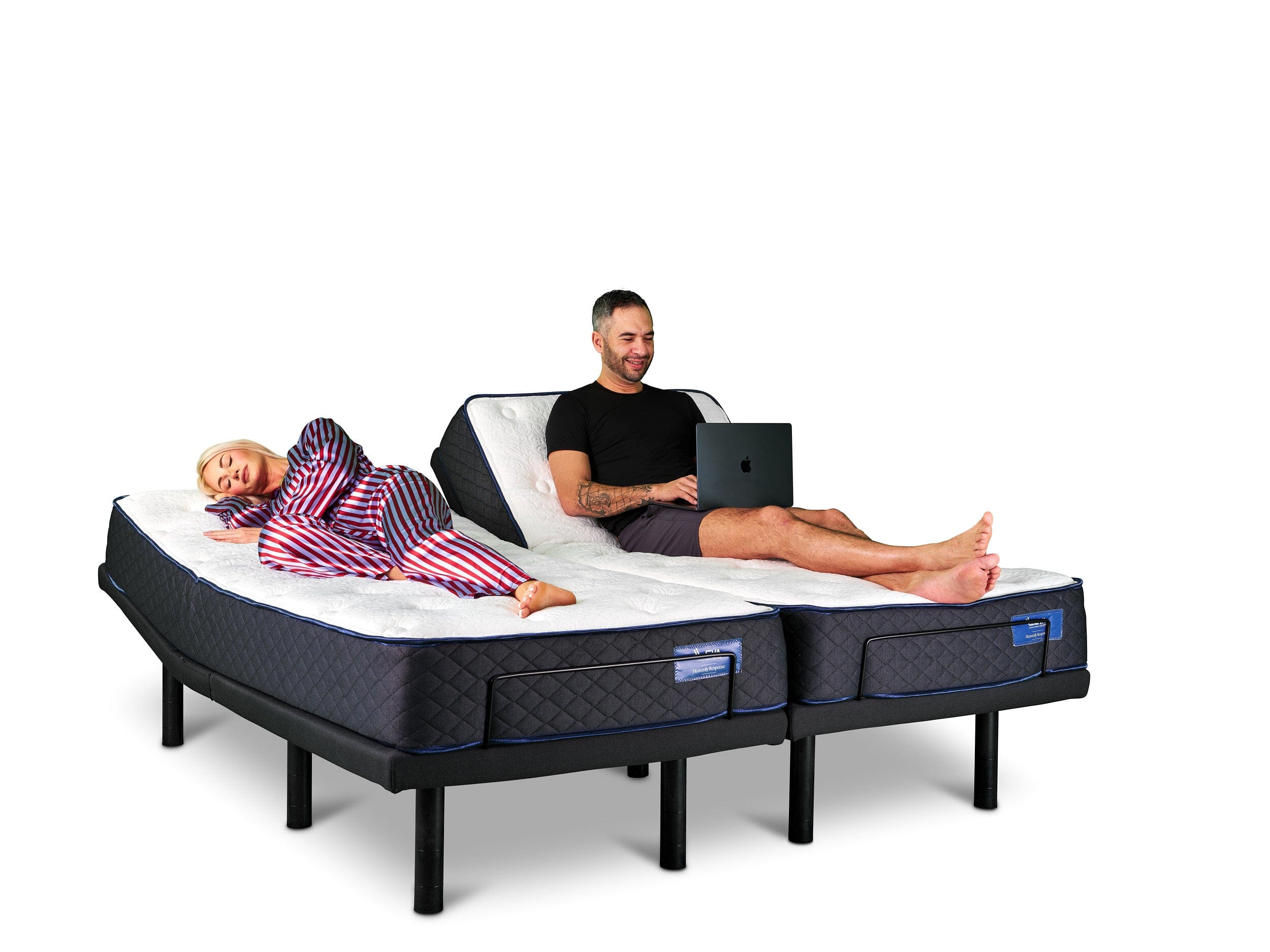
Proper spinal alignment often means less tension and deeper sleep. For professionals, this can sharpen focus and reduce stress. For couples, split adjustable beds let each person adjust their side independently, avoiding sleep disruptions and maintaining closeness without compromise.
Choosing the Right Mattress for Your Adjustable Bed
An adjustable bed works best with a mattress designed to move with it. Regular mattresses may not bend properly, reducing comfort and wear over time. Here’s what to consider for the best match.
Hybrid Mattresses for Flexibility and Support
Hybrid mattresses blend coils and foam to support your spine in any position. They adapt to the bed’s angles while staying breathable, a plus in Canada’s varying climates.
All-Foam Mattresses for Consistent Pressure Relief
All-foam mattresses designed for adjustable beds offer even support at any angle. They’re ideal if you shift positions often or have specific pain points, keeping comfort steady whether flat or elevated.
Custom Firmness for Personal Needs
Adjustable firmness options let you dial in the right feel for your body. This is key for couples with different preferences or those whose needs change over time due to health or age. Personalized firmness can be critical for managing chronic back pain.
Leva Sleep’s Mattresses for Seamless Fit
Leva Sleep offers hybrid and all-foam mattresses built for their adjustable beds. Made with Canadian components, they’re designed to handle frequent adjustments while supporting your back. Pairing them with Leva’s bases avoids common issues from mismatched products, ensuring lasting performance.
Extra Features for Enhanced Sleep
Beyond basic adjustments, modern beds offer tools to address specific sleep challenges. Here are standout options that can elevate your rest.
Anti-Snore Settings for Quieter Nights
Leva Sleep beds have anti-snore modes that gently raise the head to open airways. This can help with mild sleep apnea or snoring, offering a simpler option than bulky machines and reducing disturbances for your partner.
Temperature Control for Comfort
Built-in heating and cooling zones let each person set their ideal sleep temperature. This helps if you or your partner run hot or cold, ensuring uninterrupted rest through the night.
Split Beds for Couple-Friendly Customization
Leva Sleep’s Split King and Queen beds give each side independent controls for angle, firmness, and more. Even in smaller rooms, the Split Queen fits without losing functionality, letting couples sleep together comfortably despite different needs.
Smart Controls for Easy Use
With the Leva Sleep app, you can adjust settings, save favorite positions, and track sleep patterns. Automated tweaks based on your habits aim to fine-tune comfort over time, making your bed a personalized sleep tool.
Curious about these advanced options? Check out Leva Sleep’s adjustable bed packages to see how they fit your needs.
What to Think About Before Buying an Adjustable Bed
Investing in an adjustable bed means weighing your needs against the benefits. Here’s how to approach this decision for the best outcome.
Evaluate Your Sleep Issues
Start by noting your current sleep problems, like pain or disruptions. Think about medical advice on sleeping positions and how needs might shift with age. For couples, discuss each person’s preferences to see where independent controls could help.
Consider Long-Term Value
A well-designed bed system can reduce chronic back pain over time, especially for those over 50. Factor in potential savings on health costs, better productivity from restful sleep, and improved household harmony. Benefits often grow with consistent use.
Opt for Professional Setup
Leva Sleep’s white-glove delivery, available for a fee, ensures correct installation and includes user guidance. They also handle old bed removal, making the switch hassle-free. This step helps you get the most from your bed right away.
Why Choose Leva Sleep for Back Support Solutions
Leva Sleep stands out by focusing solely on adjustable bed systems, offering an integrated approach for better sleep. Here’s what sets them apart.
Affordable Quality Through Direct Sales
By cutting out middlemen, Leva Sleep offers high-end beds and mattresses at 30 to 50 percent less than similar products. Using Canadian-made parts and providing solid warranties, they deliver value without compromising quality.
Complete Sleep Systems
Leva Sleep designs bedding, like fitted sheets and protectors, to work with adjustable beds. This avoids the frustration of ill-fitting accessories, ensuring comfort at any angle and maximizing the bed’s benefits.
Ready for Better Sleep?
With a focus on couple-friendly designs and advanced features, Leva Sleep offers practical solutions for professionals. Explore Leva Sleep’s adjustable bed packages to find the right fit for your health and lifestyle.
Common Mistakes to Avoid with Adjustable Beds
Getting the most from an adjustable bed means sidestepping pitfalls. Here are key issues to watch for.
Using the Wrong Mattress
A standard mattress may not flex with an adjustable base, leading to wear or discomfort. This can undo the bed’s benefits and even void warranties. Always choose a compatible mattress for lasting support.
Focusing Only on Cost
Low-cost beds might skip vital features like lumbar support or quiet motors. This can limit comfort and force costly upgrades later. Invest in a bed with the features you need from the start.
Skipping Professional Installation
Setting up an adjustable bed yourself risks errors in assembly or safety. Professional setup, like Leva Sleep’s service, ensures everything works as intended and provides tips for optimal use.
Ignoring a Full System Approach
Buying just the base without matching mattresses or bedding can reduce effectiveness. A complete system from one provider ensures all parts work together for better results and less hassle.
Answers to Common Questions About Adjustable Beds
Can Adjustable Beds Help with Chronic Back Pain?
Yes, adjustable beds can ease chronic back pain when paired with the right mattress. They allow tailored positioning to align your spine and reduce pressure, often improving sleep and reducing discomfort over time through features like zero-gravity settings.
Are Adjustable Beds Just for Medical Needs?
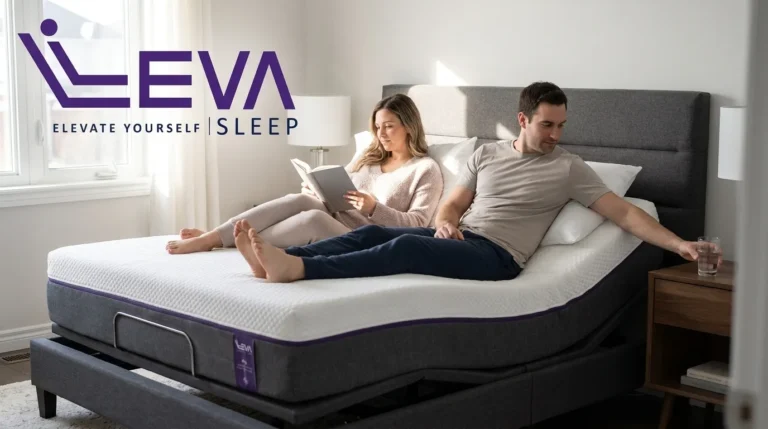
No, they’re helpful for anyone seeking better sleep. Even without health issues, adjustable beds support spinal alignment and offer comfort for reading or relaxing. They also address snoring and temperature differences, benefiting couples with varied preferences.
How Do Split Beds Help Couples?
Leva Sleep’s Split King and Queen beds let each partner adjust their side for elevation, firmness, and more. This avoids compromise, especially if one needs a raised position for health reasons. The Split Queen fits smaller spaces without losing these benefits.
Why Does Mattress Choice Matter?
A mattress made for adjustable beds ensures proper movement and support at any angle. Standard mattresses may sag or wear out faster, reducing comfort and effectiveness. The right mattress maintains alignment and extends the bed’s life.
What Makes Leva Sleep Different?
Leva Sleep focuses exclusively on adjustable beds, designing bases and mattresses together for optimal fit. Their direct sales cut costs by 30 to 50 percent compared to similar options. Unique offerings, like Split Queen beds and tailored bedding, plus optional setup services, add practical value.
Take the Next Step for Better Back Support
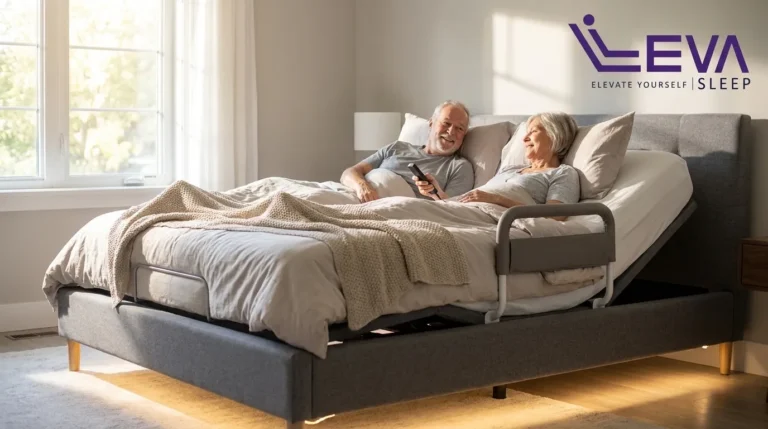
Adjustable beds, when matched with suitable mattresses, offer a clear path to better sleep, pain relief, and household harmony. For couples or individuals facing back pain or sleep challenges, this technology addresses both immediate comfort and long-term health.
Leva Sleep combines focused expertise with affordable, integrated solutions. Their designs cater to Canadian needs, supporting both individual wellness and shared sleep spaces.
Looking to improve your rest and ease back discomfort? Browse Leva Sleep’s adjustable bed packages today and see how a better sleep setup can change your daily life.