
Written by: Matthew Timmins, Founder and Managing Director, Leva Sleep
For Canadian couples, a good night’s sleep is vital to personal health and relationship well-being. A thoughtfully designed sleep environment can improve your rest, boost daily energy, and strengthen your bond with your partner. Many couples struggle with standard beds that don’t address individual needs or preferences.
This guide walks you through the essentials of building a better sleep space. We’ll cover key factors that affect rest, look at modern solutions like adjustable beds from Leva Sleep, and share actionable tips to help you and your partner sleep better together. Let’s dive into creating a space that works for both of you.
Why a Comfortable Sleep Environment Matters for Couples
Sleep quality impacts your health in many ways, from immune support to mental clarity and emotional balance. For couples, it also shapes how you interact. Lack of rest can lead to mood swings, poor communication, and less closeness, while good sleep fosters connection and understanding.
Couples often face unique sleep challenges. One partner might move a lot, prefer a cooler room, or need a firmer mattress. Snoring or different bedtimes can add to the struggle. Standard beds rarely meet these varied needs, leaving one or both of you unsettled at night.
Studies link better sleep to stronger relationships, with couples reporting more satisfaction and fewer conflicts when well-rested. On the flip side, ongoing sleep issues can strain partnerships. Prioritizing a tailored sleep setup becomes a smart choice for both your health and your bond.
Poor sleep also carries a financial cost. In Canada, it leads to billions in losses from lower productivity and higher healthcare expenses. For busy professionals or anyone aiming to stay sharp, quality rest gives you an edge in daily life.
Key Elements of a Better Sleep Space for Couples
Building a sleep environment that suits both partners means focusing on a few core areas. Here’s what to consider for a setup that supports restful nights.
Support and Alignment Tailored to You
Good sleep starts with proper body support. Each person’s build and sleeping style, whether side or back, calls for specific mattress firmness or positioning. Conditions like hip pain or sleep apnea often need unique adjustments that a single bed setup can’t provide.
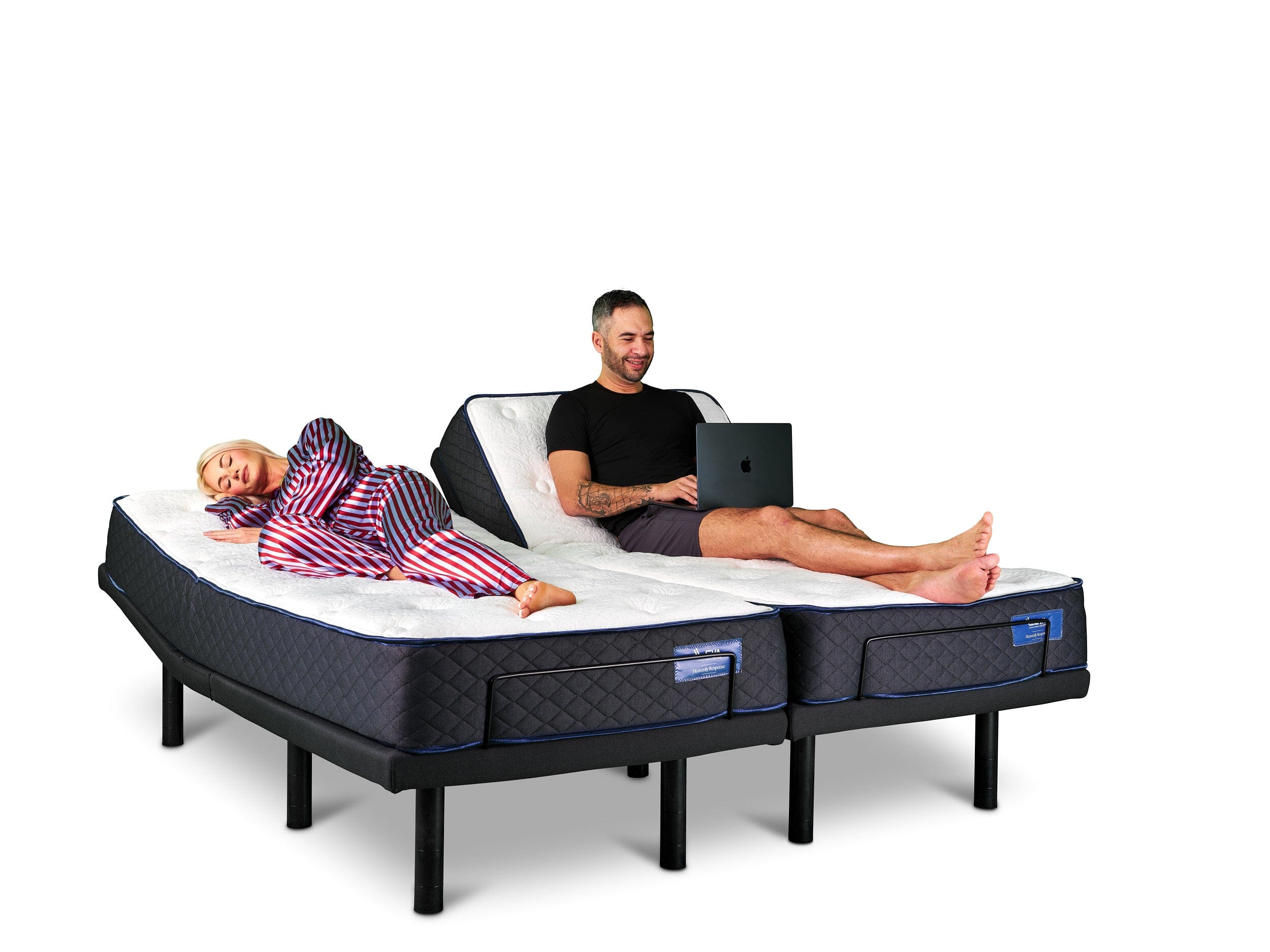
Standard mattresses often force a middle ground, leaving neither partner fully comfortable. Adjustable bed systems solve this with separate zones, letting each of you set the perfect angle for head, foot, or lumbar support. This customization helps align your spine and eases strain.
Beyond immediate comfort, the right support cuts down on tossing and turning. Fewer disturbances mean better rest for both, creating a shared benefit from individual adjustments.
Temperature Control for Personal Comfort
Temperature differences are a common issue for couples. One might sleep hot while the other prefers cool, and needs can shift through the night or with seasons.
A bedroom temperature of 60 to 67°F often supports natural sleep cycles, but personal preferences vary widely. Factors like age or health conditions play a role too.
Modern beds offer dual-zone climate options. With separate heating or cooling for each side, you can set your ideal conditions without affecting your partner. Smart materials and thermostats help maintain a consistent feel, no matter the weather outside.
Reducing Disturbances with Motion Isolation
Partner movement or snoring can disrupt deep sleep, breaking the rest you need for recovery. These interruptions affect energy levels and focus the next day.
Quality beds use materials like memory foam or pocket coils to limit motion transfer. Adjustable systems with quiet motors let one partner shift positions without waking the other. Features like anti-snore settings gently raise the head to lessen snoring, helping both sleep more soundly.
Unbroken sleep supports memory, physical healing, and immune health. Even if you get enough hours, frequent wake-ups reduce these benefits. A setup that minimizes disruptions makes a real difference.
Setting the Right Atmosphere with Light and Sound
Smart lighting can align with your body’s natural rhythms to ease you into sleep and wakefulness. Adjustable shades or dimmers help balance different schedules between partners.
Systems that monitor room conditions like humidity or noise allow for tweaks to optimize rest. Air purifiers, white noise options, or humidity controls further refine the space.
For couples, balancing individual needs in shared spaces is key. Automated tools can dim lights for one while keeping a reading glow for the other, ensuring a setting that works for both.
Ready to customize your sleep space? Explore Leva Sleep’s adjustable bed packages to find a solution built for couples.
Modern Sleep Options: What’s New for Couples
Moving Past Standard Beds
Flat beds often fall short for couples over 35, especially when medical advice suggests elevated sleeping positions for issues like reflux or breathing concerns. A one-design-fits-all approach rarely matches personal needs.
Even basic adjustable beds have limits. Loud motors or minimal settings can still disrupt rest or force compromises. Many lack proper mattress integration, leading to practical or visual drawbacks. Quick-ship options might seem handy, but they often ignore specific couple requirements.
Today’s focus shifts to sleep as a vital part of life quality. Couples see their bedroom setup as a meaningful choice for health and connection, pushing demand for beds that truly fit their lifestyle.
Smart Tech for Better Rest
Sleep tech now adapts to your needs with responsive beds, lighting, and temperature controls. These setups change with you through the night for steady comfort.
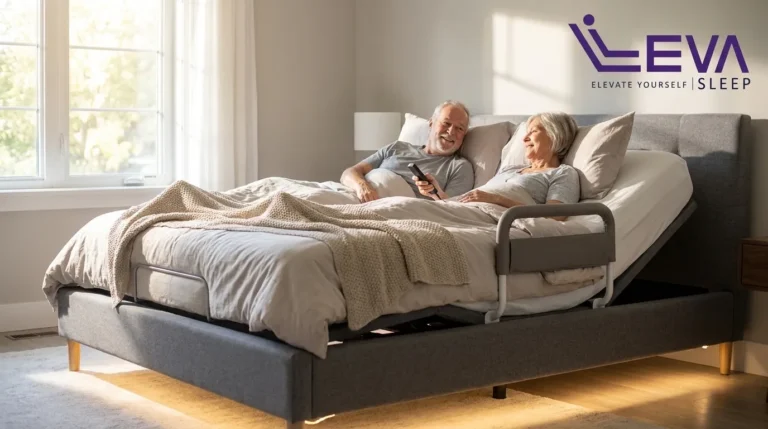
App-based controls let couples save preferred positions for sleep, relaxation, or health needs. Adjustments happen quietly, avoiding disturbance. Some systems track patterns and refine settings over time for ongoing improvement.
Linking with home systems ties everything together. Bedroom lights, sounds, and bed angles sync to support different routines. Voice commands or schedules keep things running smoothly without extra effort.
Weighing Your Sleep Choices
Here are key factors to balance when picking a sleep solution:
- Upfront Cost vs. Lasting Benefits: High-end beds cost more initially, but savings on health and stress add up. A durable system offers years of better sleep, making the nightly expense worthwhile.
- Personal Fit vs. Generic Design: Standard beds might seem cheaper, but they often miss the mark on specific needs. Tailored options, though pricier, stop ongoing discomfort and deliver meaningful change.
- Ease vs. Setup Hassles: Simple delivery like boxed beds can lead to tricky assembly. Professional setup services, even at added cost, ensure everything works right from day one, especially for advanced systems.
How Leva Sleep Helps Couples Sleep Better
Leva Sleep focuses on solving sleep issues for couples with adjustable beds crafted for shared comfort. As a Canadian company, they offer practical, personalized options for better rest without trade-offs.
Independent Comfort with Split Beds
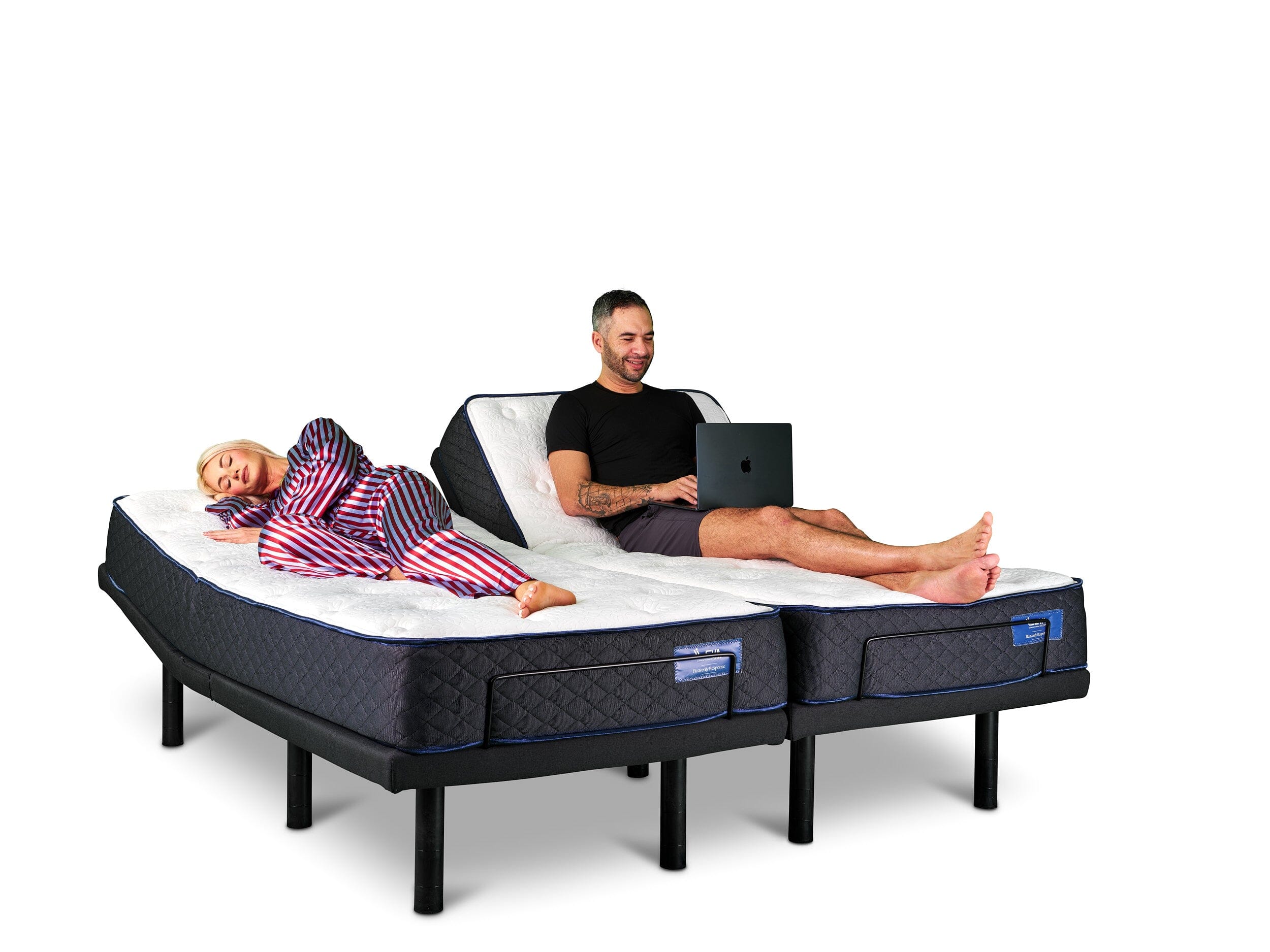
Leva Sleep’s Split King and Split Queen beds allow each partner to control their side independently. Silent German motors ensure adjustments don’t disturb. Through the Leva Sleep app, you can manage elevation, massage, or anti-snore settings that gently adjust head position if snoring is detected.
These split designs mean you can address unique needs or health conditions while sharing the same bed. No more settling for a middle ground, both partners get a setup that fits just right.
Bedding Built for Adjustable Systems
Leva Sleep provides accessories made for their beds, like deep-pocket fitted sheets with strong elastic, duvets that stay in place despite angled positions, and pillows for proper alignment. Mattress protectors add further ease.
Buying a full setup from Leva Sleep ensures every piece works together. No more struggling with sheets that slip or bedding that doesn’t fit, their system offers lasting function and comfort.
Features for Individual Needs
Higher-end Leva Sleep models include lumbar adjustments for back support, pillow tilt options, and anti-snore detection. Heating and cooling pads let each side set its temperature, while sleep tracking via the app makes small tweaks for better rest.
These tools target specific comfort or health concerns. With full app control, you can dial in settings to match personal preferences, creating a sleep space that feels made for you.
Quality at a Fair Price
Leva Sleep sells directly to customers, cutting costs by 30 to 50% compared to typical retailers. Canadian-made parts ensure durability and support local production. This approach keeps quality high without inflated prices.
For added convenience, a paid white-glove service handles delivery, assembly, and even removes your old bed for donation or recycling. Trained staff also walk you through features, so you start enjoying your bed stress-free.
With 15 to 20 models compared to the usual 5 at general stores, Leva Sleep offers more choices. Their team helps match you to the right bed based on your needs. Check out Leva Sleep’s adjustable bed packages to upgrade your nights.
Steps to Improve Your Sleep Setup
Evaluate Your Current Sleep Space
Take stock of where your sleep falls short. Use these points to spot areas for change:
Partner Differences:
- Do temperature preferences clash, causing nightly discomfort?
- Does snoring interrupt sleep or lead to separate beds?
- Are firmness needs unmet, forcing one to adapt?
- Does movement from one wake the other?
Health and Ease:
- Do you wake with aches in your back, hips, or neck?
- Has a doctor suggested elevated sleeping for health?
- Do comfort or medical needs shift during the night?
- Could sleep aids like CPAP be reduced with adjustments?
Daily Use and Function:
- Do bedtime routines or schedules differ?
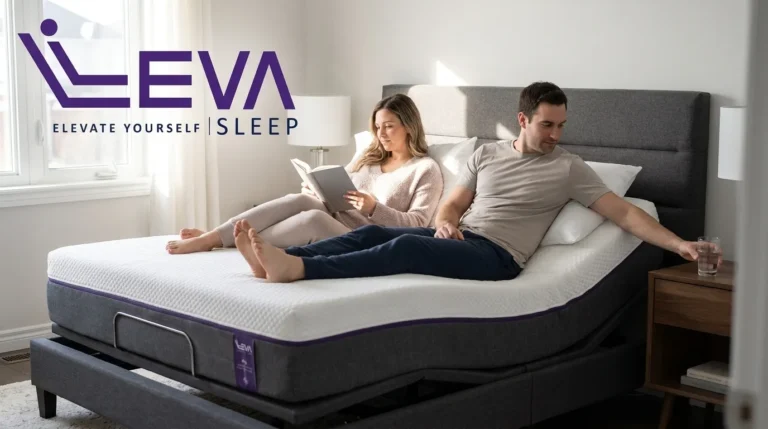
- Does your bed support reading or recovery well?
- Do sheets and bedding stay secure overnight?
- Would added features like heat or massage help?
If several of these hit home, especially around compatibility or health, a traditional bed likely limits your rest. An adjustable system could offer the fix you need.
Common Mistakes to Dodge When Choosing a Bed
Focusing Only on Price: Low upfront costs might tempt, but poor sleep adds up through health bills, lost focus, and stress. A lasting system pays off over years of better rest.
Opting for Basic Designs: Generic beds or simple adjustables with few options often disappoint. A system built for couples meets specific needs without ongoing sacrifice.
Ignoring Setup Needs: Advanced beds benefit from expert installation. DIY options like boxed delivery can lead to errors. Professional services ensure safe, correct setup from the start.
Skipping a Complete System: An adjustable base alone isn’t enough if bedding doesn’t match. Incompatible sheets or mattresses cut effectiveness. A full setup avoids these frustrations.
Forgetting Future Changes: Sleep needs shift with age or health. A limited bed might not keep up. Choose a flexible system to stay relevant through life’s changes.
Common Concerns About Adjustable Beds
Can an Adjustable Bed Help with Snoring Issues?
Snoring often breaks sleep for both partners, sometimes pushing you to separate rooms. Adjustable beds like Leva Sleep’s offer anti-snore settings that detect the sound and slightly lift the head to ease breathing, potentially reducing noise.
You can also manually adjust angles for comfort. Quiet motors prevent added disturbance, and changes affect only one side. Better rest from fewer interruptions lifts health and mood for both of you.
Will One Bed Work for Different Comfort Needs?
Standard beds struggle with mismatched preferences. Leva Sleep’s split designs, like Split King or Queen, let each partner set their own elevation and support levels independently.
For temperature, optional heating and cooling pads provide separate controls. One side can stay warm while the other cools, adjustable through the night. App presets save favorite settings, ensuring a shared bed still feels personal.
Are Adjustable Beds Hard to Set Up or Use?
While modern adjustable beds pack advanced features, they’re built for easy use. Leva Sleep offers a paid white-glove service where experts handle delivery, setup, and app guidance, so you skip the hassle.
Their app simplifies control with saved positions and clear options. Voice commands or basic buttons offer extra flexibility. Support like guides or customer help keeps any issues manageable over time.
How Do Adjustable Beds Support Health?
Adjustable beds allow positioning that can ease joint pressure, boost circulation, or reduce aches in areas like the back. Head elevation might help with breathing or snoring, while leg lifts can cut swelling for those with blood flow concerns.
Better sleep from these tweaks improves immunity, focus, and mood. Less waking through the night aids recovery too. These changes can enhance daily well-being and connection with your partner. See Leva Sleep’s adjustable bed packages to support your health.
Final Thoughts: Investing in Sleep and Togetherness
A well-designed sleep space is a powerful step for Canadian couples. Quality rest shapes your health, sharpness, and emotional balance while deepening your relationship. You don’t need to settle for less anymore.
This guide highlights the need for solutions that tackle unique challenges like temperature differences or health needs. Today’s tech makes shared rest possible without giving up personal comfort.
Leva Sleep brings adjustable beds with individual controls, matching accessories, and helpful service to Canadian couples. Their approach, paired with a focus on support, climate, and quiet, helps you build a space for true rest.
If you’re ready to prioritize better nights and stronger days, a tailored sleep system offers real value. Stop settling for restless sleep. Visit Leva Sleep’s adjustable bed packages and start crafting a sleep environment that benefits you and your partner.