Written by: Matthew Timmins, Founder and Managing Director, Leva Sleep
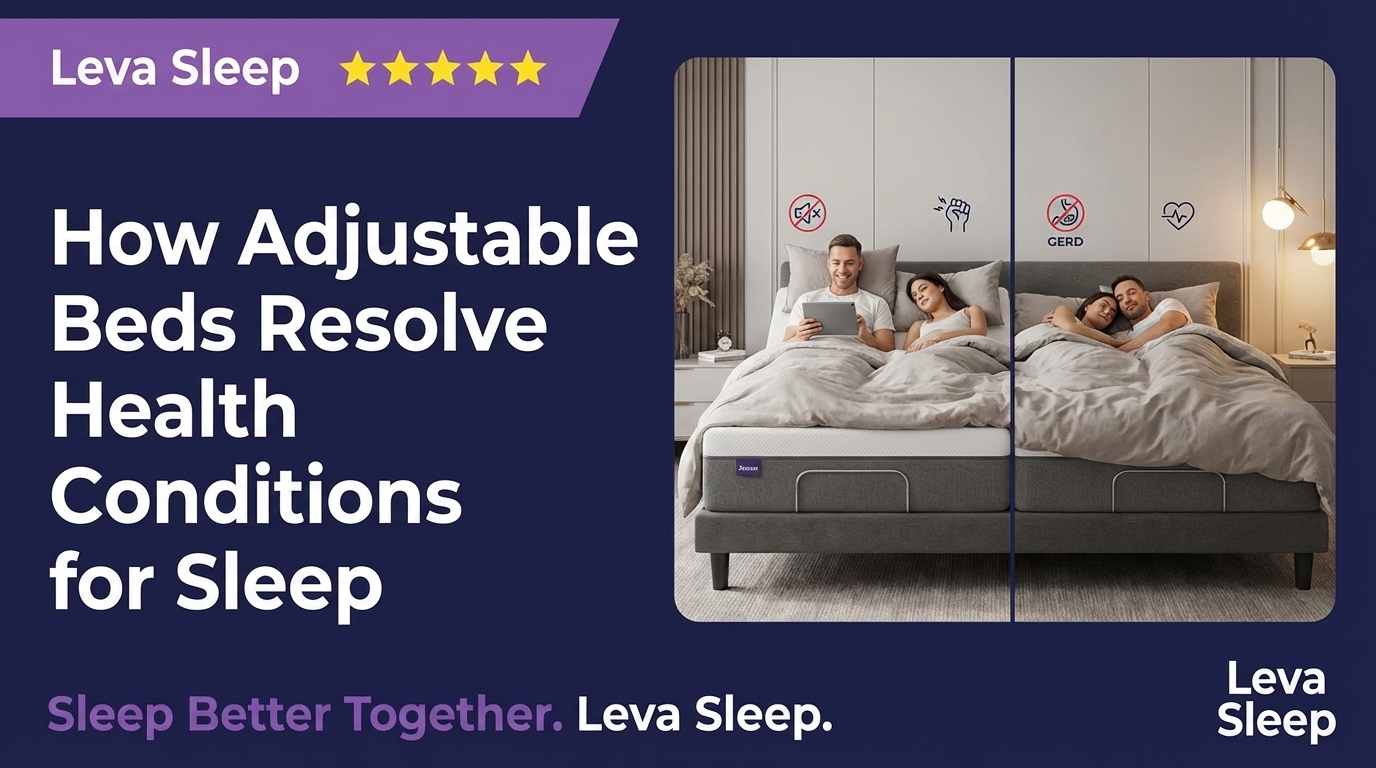
Many Canadian couples struggle with sleep due to chronic health conditions, leading to discomfort and disrupted nights. Adjustable beds, like those from Leva Sleep, offer a practical way to address issues such as sleep apnea, chronic pain, and GERD, helping partners sleep better while staying close. This article explains how these conditions impact sleep and why adjustable beds provide effective relief for shared rest.
Health Conditions Disrupting Sleep for Canadian Couples
Sleep problems are common across Canada, and health issues often make them worse. About 48% of Canadians report trouble sleeping, with insomnia rates up by 42% since 2007. This affects more than just energy levels; it impacts overall well-being and relationships.
Conditions like sleep apnea, chronic pain, and GERD frequently disturb sleep for couples. Sleep apnea impacts 3% of adults, rising to 5% for those over 45, with men making up 75% of cases. One partner’s breathing issues or snoring can keep both awake. Chronic pain, from back or joint issues, creates a cycle where discomfort prevents rest, and lack of rest worsens pain. GERD adds another layer, as lying flat often triggers symptoms like heartburn, disrupting sleep for both partners.
When multiple conditions are present, challenges compound. Around 10% of Canadians rate their health as fair or poor, with a quarter dealing with multiple conditions or insufficient sleep. This turns the bedroom into a space of mismatched needs instead of a place for relaxation.
Poor sleep also takes a broader toll. Sleep disruptions increase diabetes risk by 2.5 times and cardiovascular mortality by 2.2 times in sleep apnea patients. Beyond physical health, lack of rest reduces life satisfaction and sense of community. For couples, these issues often lead to sleeping apart, sacrificing closeness for comfort.
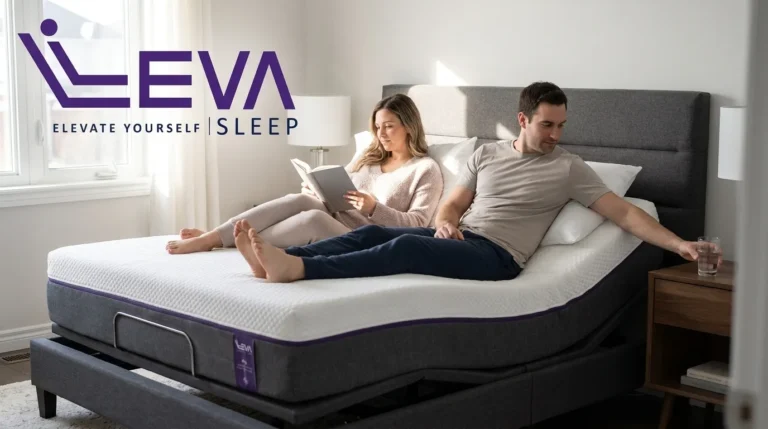
Compromises like extra pillows or separate beds don’t fully solve the problem. A tailored sleep setup that adapts to individual health needs can help couples rest better without losing connection.
Why Leva Sleep Adjustable Beds Help Couples Sleep Better
Leva Sleep adjustable beds tackle health-related sleep issues with features designed for both individual needs and shared comfort. These beds allow Canadian couples to customize their sleeping positions, addressing specific conditions while keeping costs reasonable through direct sales.
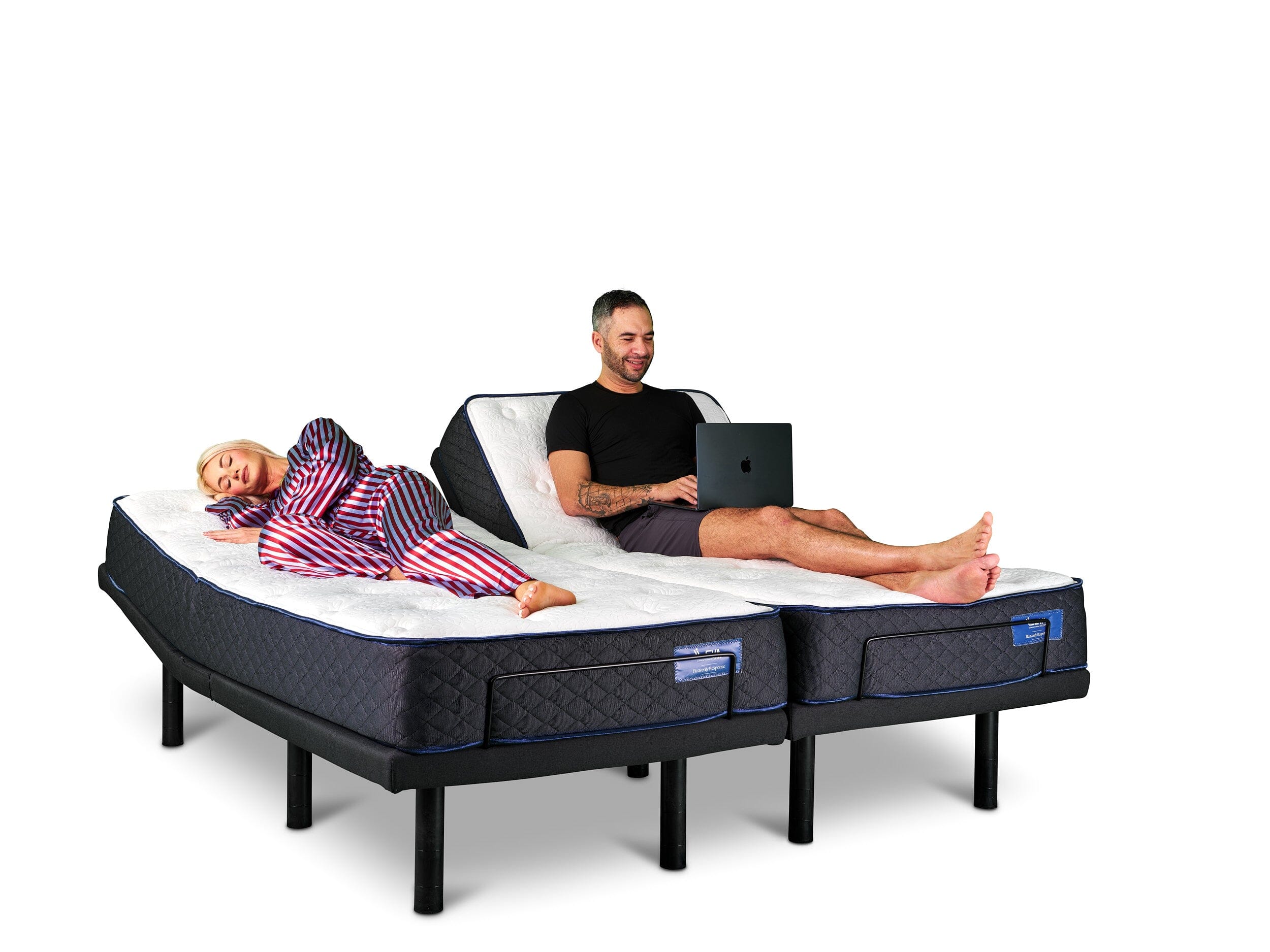
Here’s what sets Leva Sleep beds apart:
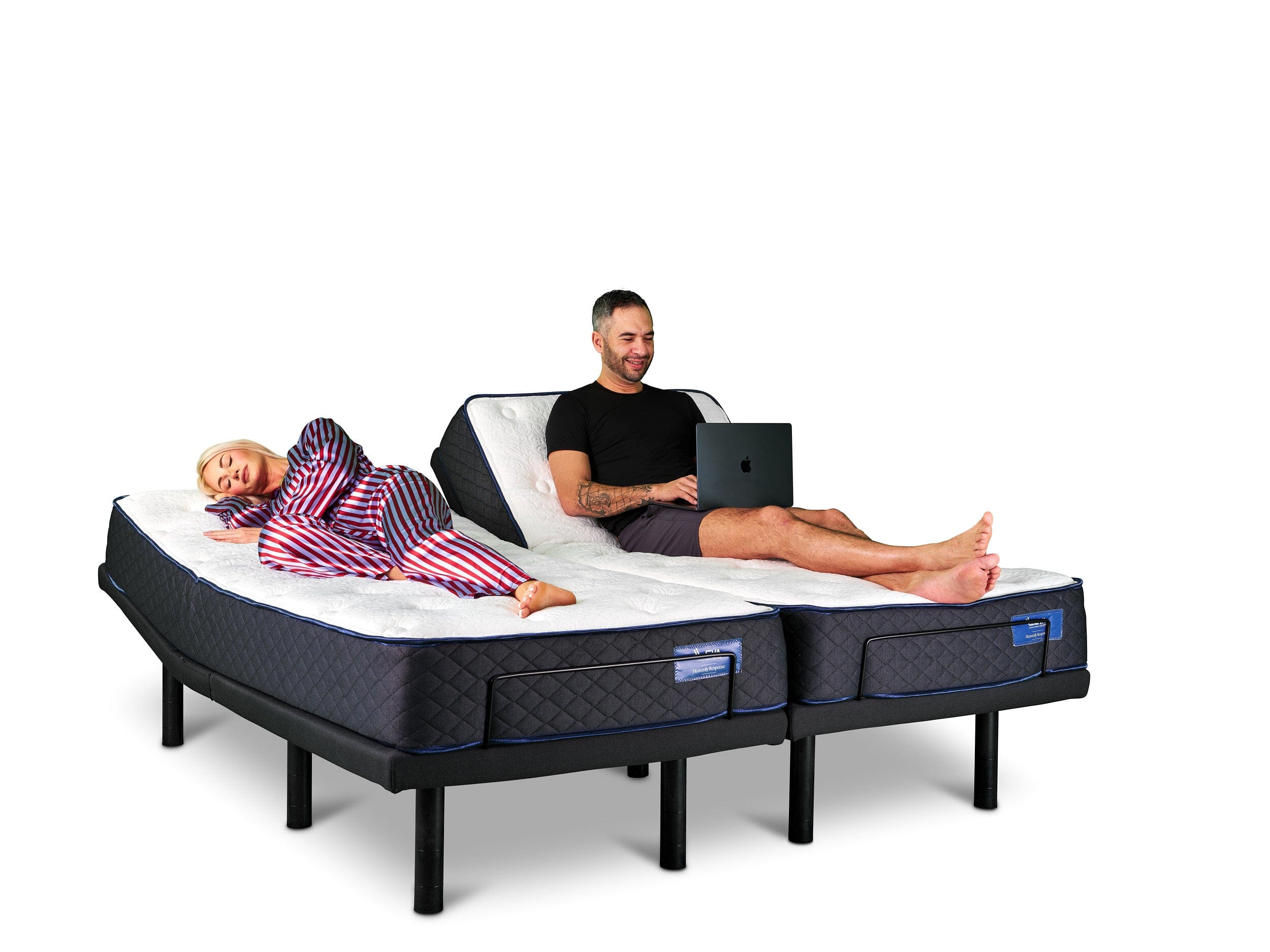
- Independent settings on Split King and Split Queen models let each partner adjust for their health needs, avoiding the need to sleep apart.
- Head and foot elevation, lumbar support, and anti-snore modes target conditions like sleep apnea, pain, or GERD with specific adjustments.
- German-engineered motors ensure quiet operation, while Canadian-made components add durability for lasting use.
- A full sleep system, including compatible mattresses and accessories, provides complete support beyond just the base.
- App controls allow easy customization of positions and features like vibrating alarms, fitting into daily routines.
Unlike general mattress brands with limited options, Leva Sleep focuses on adjustable beds, offering 15-20 models tailored to varied health and couple needs. Their direct approach ensures quality and quicker updates based on user feedback. Explore Leva Sleep adjustable beds to find a solution for better rest.
How Adjustable Beds Target Specific Health Issues
Leva Sleep beds address common conditions with precise adjustments, helping Canadian couples manage sleep disruptions effectively. Here’s how they support specific health challenges.
Reducing Sleep Apnea and Snoring for Peaceful Nights
Sleep apnea and snoring disturb both partners, with one facing breathing issues and the other dealing with noise. This condition affects 3% of Canadian adults, increasing to 5% for those over 45. Leva Sleep beds help by elevating the head slightly, keeping airways open and reducing snoring. An anti-snore mode detects vibrations and makes small adjustments automatically, minimizing disruptions without waking anyone.
For CPAP users, this elevation improves comfort and mask fit, potentially lowering needed pressure. Split configurations ensure only one side adjusts, so the other partner sleeps undisturbed in their preferred position.
Alleviating Chronic Pain with Custom Support
Chronic pain in the back, neck, or joints often prevents restful sleep and causes morning stiffness. Leva Sleep beds offer positions like zero-gravity, which evenly distributes weight to ease spinal pressure. Lumbar support maintains the spine’s natural curve, while pillow tilt aligns the neck to reduce strain.
Leg elevation improves circulation, helping with swelling after long days. Small adjustments during the night adapt to changing discomfort, especially useful for conditions like arthritis where pain fluctuates.
Controlling GERD for Uninterrupted Rest
GERD worsens when lying flat, as acid flows into the esophagus, causing heartburn and waking both partners. Leva Sleep beds provide stable head elevation of 6-8 inches, using gravity to keep acid down. Unlike pillows that shift, this setup stays consistent all night.
With split designs, only the affected partner elevates their side, letting the other sleep comfortably. This reduces frequent repositioning, cutting down on symptom triggers and improving rest for both.
Supporting Multiple Conditions for Overall Comfort
Dealing with several health issues at once complicates sleep. Multimorbidity raises the likelihood of poor rest and health. Leva Sleep beds adjust for combined needs, elevating the head for breathing or digestion while supporting the back for pain relief.
Programmable settings save different positions for varying symptoms or times. Insufficient sleep hours worsen health outcomes, so addressing rest is key. Improved sleep also boosts mental well-being, reducing stress and supporting closeness. Better rest links to less anxiety and greater life satisfaction.
Comparing Leva Sleep to Other Sleep Solutions
When choosing a sleep solution, Leva Sleep stands out for Canadian couples with health-related needs. Here’s how it measures up against alternatives.
|
Feature |
Leva Sleep Adjustable Beds |
Basic Adjustable Base |
Luxury Brand |
|
Independent Adjustability |
Split King & Split Queen |
Limited to Split King or single zone |
Split King only, unique features |
|
Health-Specific Features |
Anti-snore mode, lumbar support, app control |
Basic elevation, simple remote |
Advanced elevation, some modes |
|
Cost Value |
High-end features at 30-50% less |
Lower cost, minimal features |
High cost, focused on pressure relief |
|
Delivery & Setup |
Optional full-service setup and tutorial |
Often curbside or self-setup |
Varies, often third-party |
Basic bases lack the detailed features needed for health issues, while luxury options often come with high costs and narrow focus. Leva Sleep combines advanced adjustments and couple-friendly design at a more accessible price. Their direct model cuts costs without cutting quality. Check out Leva Sleep beds for a balanced solution.
Common Questions About Adjustable Beds and Health
Do Leva Sleep Beds Help with Sleep Apnea Alongside CPAP Use?
Leva Sleep beds complement CPAP therapy by elevating the head to reduce airway collapse, potentially easing the machine’s workload. This can make lower pressure settings feasible, increasing comfort. Stable positioning also minimizes mask leaks, benefiting both partners by keeping noise down. Split designs let the CPAP user adjust their side without affecting the other’s setup.
Can These Beds Support Partners with Different Health Needs?
Yes, Split King and Split Queen models allow each side to adjust separately. One partner can elevate for GERD while the other sets for back pain relief. App controls save personal settings for easy switches, and quiet motors ensure adjustments don’t disturb sleep. Accessories like fitted sheets adapt to varied positions, keeping bedding secure.
Are Leva Sleep Beds Durable and Quiet for Long-Term Use?
Built with German motors and Canadian components, these beds handle frequent adjustments with lasting reliability. Quiet operation avoids waking light sleepers, even during major position changes. Rigorous quality checks ensure consistent performance, making them a dependable choice for ongoing health support.
Which Mattresses Pair Best with Leva Adjustable Beds?
Leva Sleep mattresses are made to flex with base adjustments while maintaining support. All-foam options suit respiratory needs with even contouring during elevation. Hybrids, blending foam and coils, help with pain by balancing relief and firmness. Split firmness choices cater to differing needs, and deep-pocket sheets stay in place across positions.
Reclaim Restful Nights with Leva Sleep
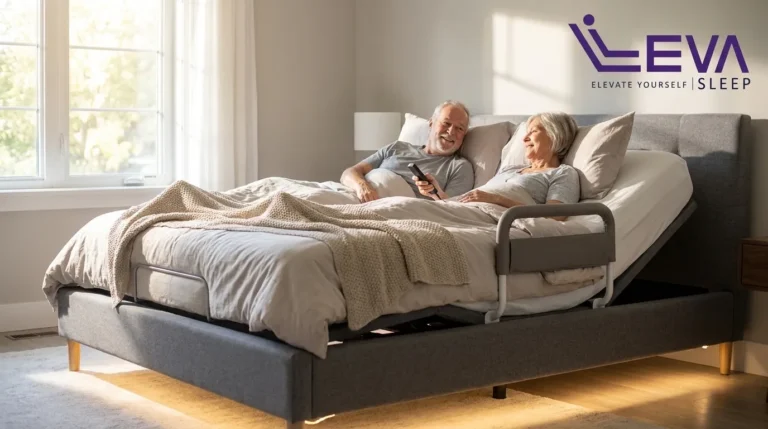
Health issues disrupt sleep for many Canadians, but couples don’t need to settle for discomfort or separation. Poor rest affects physical health, mood, and relationships, and standard beds often fall short. Leva Sleep adjustable beds adapt to individual conditions with focused features, helping partners sleep better together.
Investing in this system supports long-term wellness and connection. With practical designs and fair pricing, Leva Sleep makes advanced sleep solutions accessible. Discover Leva Sleep adjustable beds to improve your rest and strengthen shared nights.