Key Takeaways
- Many Canadian couples struggle with sleep issues such as snoring, back pain, and acid reflux, which can strain relationships and lead to separate sleeping arrangements.
- Adjustable beds support several targeted positions, including zero-gravity, anti-snore, recliner, incline, lumbar support, and leg elevation, to address specific health and comfort needs.
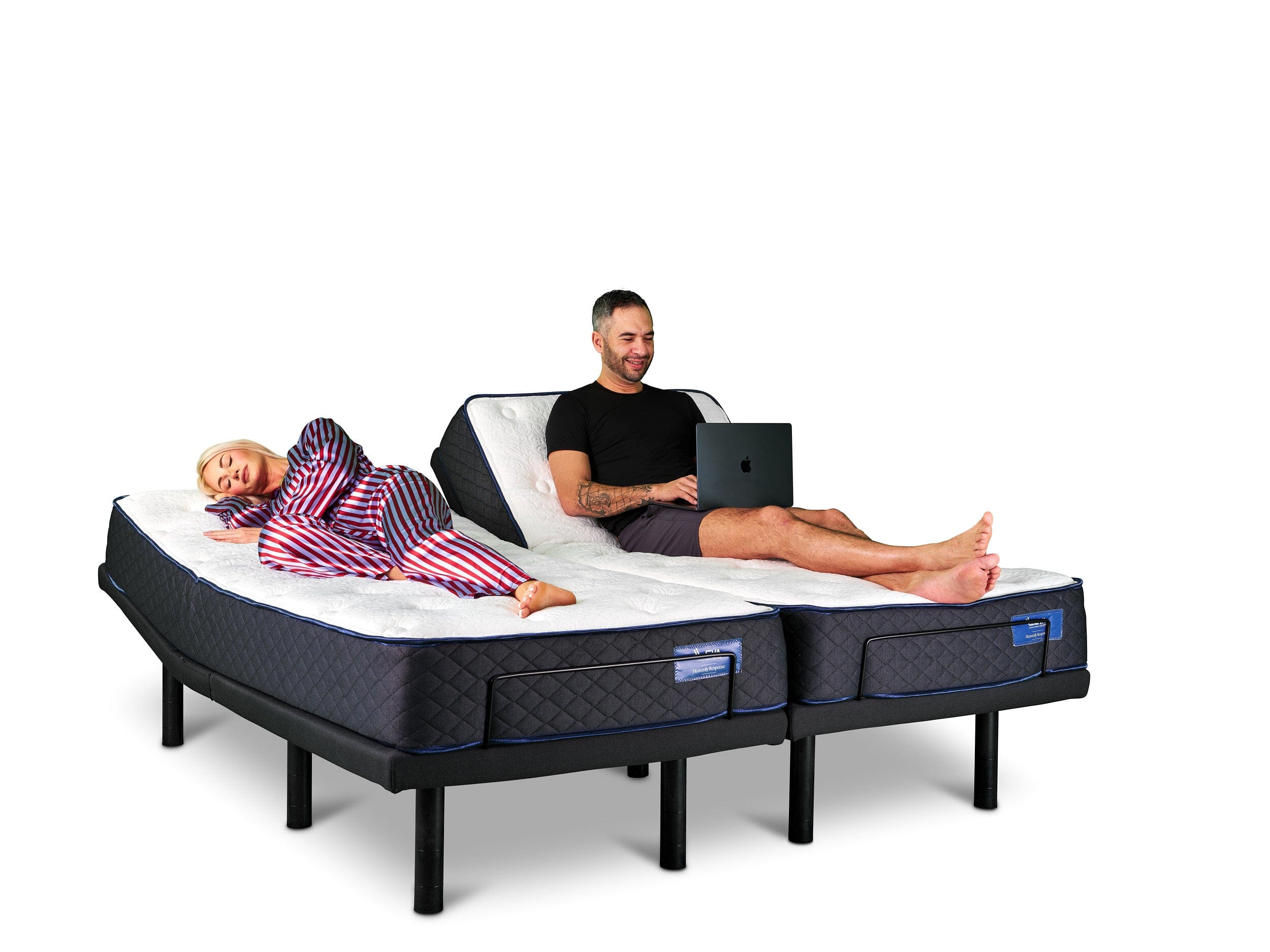
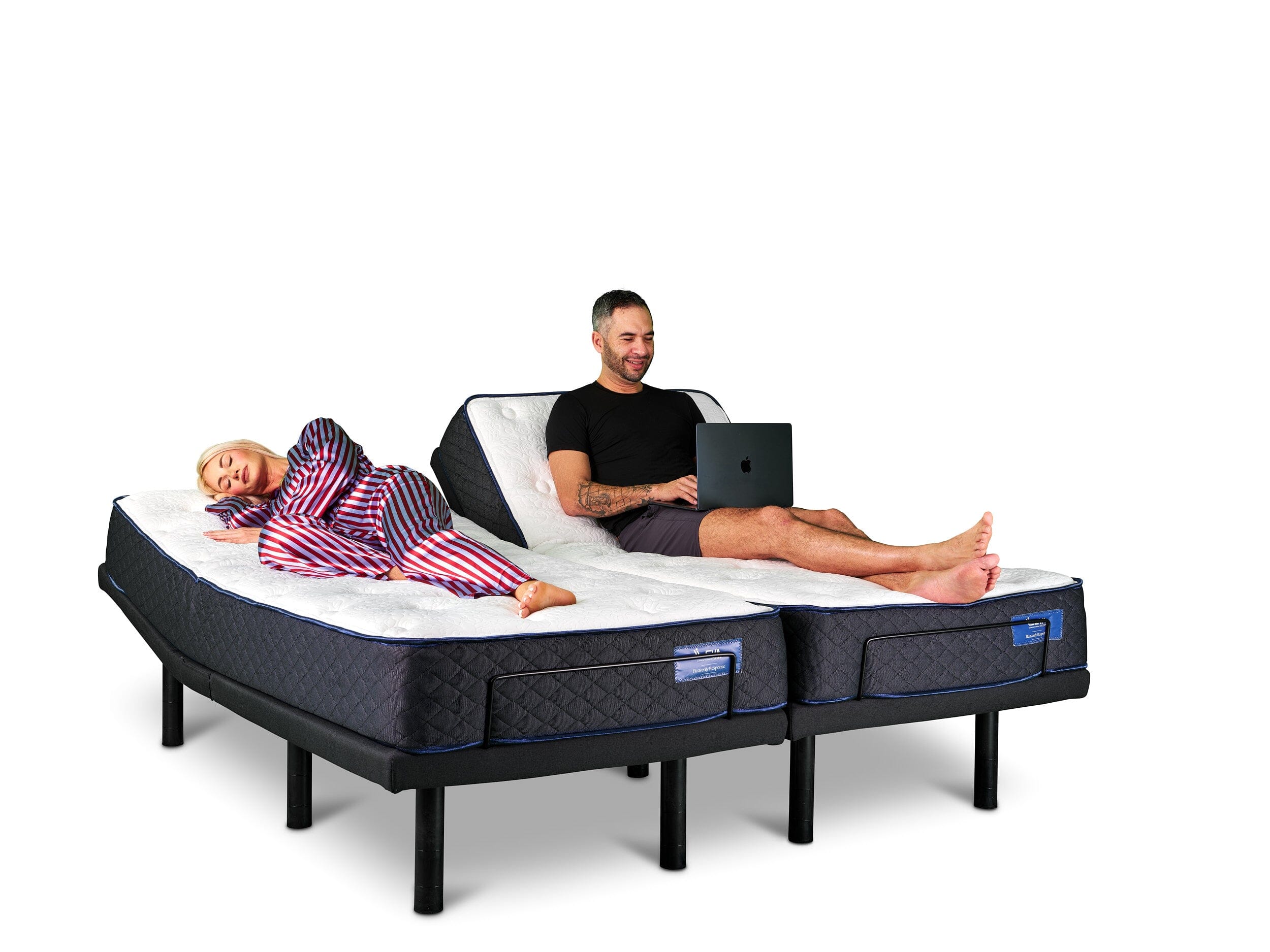
- Split adjustable beds allow each partner to set their own position, which reduces compromise and supports better rest for couples with different sleep preferences or medical concerns.
- Advanced adjustable bases with quiet motors, app controls, and health-focused features provide more precise comfort than traditional beds or basic adjustable frames.
- Leva Sleep offers adjustable bed packages for Canadian couples who want to explore these positions and improve shared sleep comfort. Browse Leva Sleep adjustable bed packages.
Sleep quality affects mood, health, and relationships, especially for couples who share a bed. Nearly half of Canadians report trouble sleeping, and chronic problems such as back pain or insomnia can turn bedtime into a source of stress instead of rest.
About 10% of Canadians meet criteria for chronic insomnia, so adjustable beds have become a practical way to create more personalized support. The seven positions below show how couples can use an adjustable base to improve comfort, reduce symptoms, and share a bed more easily.
How Adjustable Beds Support Better Sleep for Canadian Couples
Adjustable beds give each partner more control over head, back, and leg angles than a flat mattress. This flexibility helps couples manage snoring, pain, and digestion issues without extra pillows or wedges that shift overnight.
Leva Sleep offers Split Queen and Split King bases that let each side move independently. Quiet motors and app controls help one partner adjust their position while the other continues sleeping, which supports shared rest instead of separate beds.
Explore Leva Sleep adjustable bed packages for couples.
1. Zero-Gravity Position for Back Pain and Pressure Relief
The zero-gravity position reduces pressure on the lower back by slightly raising the head and lifting the knees. This angle helps distribute body weight more evenly and can ease discomfort from sciatica, general back pain, or long days on your feet.
When you set the head to a mild incline and elevate the knees a little higher, the spine moves into a more neutral alignment. Leva Sleep adjustable bases allow fine adjustments on each side, so one partner can use zero-gravity while the other chooses a flatter position.
2. Anti-Snore Position for Quieter Nights
The anti-snore position supports a peaceful bedroom by lifting the head only a few degrees to help keep the airway open. This small change can reduce snoring and lessen symptoms of mild obstructive sleep apnea.
Sleep apnea affects a notable share of Canadian adults, so even modest head elevation can make a difference for couples who are woken by snoring. Leva Sleep models with anti-snore programming allow users to set and save gentle head elevations that target these issues.
3. Recliner Position for Acid Reflux and Pre-Sleep Relaxation
The recliner position helps people who deal with acid reflux, GERD, or nighttime heartburn. Raising the upper body 30 to 45 degrees uses gravity to keep stomach acid down and can reduce discomfort after meals.
This position also suits reading, using a tablet, or watching television before lights out. Leva Sleep bases with pillow-tilt adjustment give added control over neck and head angle, which supports comfort during both relaxation and sleep.
4. Lumbar Support Position for Targeted Lower Back Comfort
The lumbar support position focuses directly on the curve of the lower back. Many flat mattresses either sag or feel too firm in this area, which leads to stiffness in the morning.
Leva Sleep higher-end bases include independent lumbar support that adjusts only the mid-back region. This feature lets users add extra support where they need it while leaving the shoulders and hips at a different angle for comfort.
5. Incline Position for Breathing and Mild Sleep Apnea Support
The full-body incline position gently raises the entire upper half of the bed. This angle can assist breathing by helping prevent the tongue and soft palate from collapsing backward.
Better airway support at night reduces health risks linked with poor sleep and low oxygen levels. Leva Sleep adjustable beds make it simple to set and keep a steady incline, which some people use alongside medical treatments such as CPAP.
See Leva Sleep adjustable bases that support breathing-friendly sleep positions.
6. Leg Elevation Position for Swelling and Circulation
The leg elevation position raises the feet above heart level to support circulation. This position can help reduce swelling in the feet and ankles, ease discomfort from varicose veins, and relieve tired legs after long periods of standing.
Many pregnant people, shift workers, and those with circulation concerns use leg elevation in the evening as well as overnight. With split designs from Leva Sleep, one partner can keep their legs raised while the other side remains flat.
7. Split Comfort Position for Different Needs on Each Side
The split comfort position gives each partner full control over their side of the bed. One person can use zero-gravity for back relief while the other sets an anti-snore incline, or one can elevate their legs while the other focuses on lumbar support.
This flexibility helps couples avoid “sleep divorce” and stay in the same bed even when they have different health concerns or comfort preferences. Leva Sleep Split Queen and Split King packages include independent controls and memory presets so each partner can return to their preferred position quickly.
How Leva Sleep Compares to Other Bed Options
Adjustable beds vary widely in features and couple-friendly design. The table below highlights key differences.
|
Feature |
Leva Sleep Adjustable Beds |
Traditional Flat Beds |
Basic Adjustable Bases |
|
Support for Couples |
Split Queen and King options with fully independent controls and app presets |
One shared surface with no individual settings |
Head and foot movement only, often limited dual control |
|
Health-Focused Positions |
Zero-gravity, anti-snore, incline, lumbar support, leg elevation |
Relies on pillows or wedges that can shift overnight |
Simple elevation without targeted lumbar or pillow tilt features |
|
Noise and Convenience |
Quiet motors, app control, and memory positions |
No adjustability |
Manual remotes and motors that may be louder during movement |
More Canadians are choosing technology-integrated sleep solutions, and beds with multiple positions help address overlapping issues such as pain, snoring, and reflux in a single setup.
Common Questions About Adjustable Bed Positions
Can an adjustable bed help with snoring or sleep apnea?
Raising the head of the bed a few degrees often reduces snoring by improving airflow. People with mild sleep apnea sometimes find that head or upper-body elevation lessens symptoms, although medical care is still important for diagnosed conditions. Leva Sleep beds include anti-snore positioning features that make it easy to set and repeat helpful angles.
Which positions work best for chronic back pain?
Many people with back pain prefer zero-gravity because it reduces pressure on the lower spine. Others benefit from combining gentle head elevation with knee lift and added lumbar support. Leva Sleep models with independent lumbar adjustment allow users to test small changes and save the most comfortable settings.
How do adjustable beds support couples with different sleep needs?
Split bases from Leva Sleep let each partner control their side without affecting the other. One person can elevate for reflux or snoring while the other stays flat or focuses on leg elevation. Memory presets in the app help both partners return to their ideal positions quickly, even if they adjust several times per night.
Conclusion: A Practical Path to Better Shared Sleep
About one in four Canadian adults reports frequent trouble falling or staying asleep, so a more adaptable bed can play an important role in improving nightly rest.
Adjustable bed positions such as zero-gravity, anti-snore, recliner, incline, lumbar support, and leg elevation give couples practical tools to manage common issues while still sharing a bed. Features like split designs, quiet motors, and app controls from Leva Sleep make it easier for both partners to sleep comfortably without compromise.
Shop Leva Sleep adjustable bed packages to find a setup that supports both you and your partner.