Snoring disrupts sleep for many Canadian couples, leading to fatigue, frustration, and even relationship challenges. Adjustable beds with anti-snore technology offer a practical solution to reduce snoring and improve rest. This article breaks down how these beds work, their benefits, and what to consider when choosing one, focusing on how Leva Sleep can help you achieve quieter, more restful nights.
Snoring Challenges: A Common Issue for Canadian Couples
Snoring’s Impact Goes Beyond Noise
Snoring affects more than just your ears; it creates a chain of issues for both the snorer and their partner. Night after night of interrupted sleep often results in daytime tiredness, difficulty focusing, and lower productivity. This constant disruption harms daily life and overall well-being, making work, energy levels, and relationships harder to manage.
For couples, the strain can be significant. A partner’s sleep gets broken by loud snoring, leading to irritation and tension. Some resort to sleeping in separate rooms, a practice known as “sleep divorce.” While this may quiet the noise, it often reduces closeness and emotional connection.
Physically, poor sleep from snoring weakens immunity, raises stress, and can contribute to mood issues. For the snorer, it might signal health concerns needing attention, while their partner faces ongoing sleep loss that could heighten anxiety or low mood over time.
What Causes Snoring? Airway Issues and Key Factors
Snoring happens when air passes through relaxed throat tissues, causing vibrations and sound. This occurs due to partial airway blockage during sleep as throat muscles loosen. Knowing this process helps in finding ways to address it.
Certain physical traits and habits increase snoring. Features like a thick soft palate, long uvula, or large tongue can narrow the airway, making vibrations more likely. Sleep position also plays a big role, especially sleeping on the back. Lying flat allows gravity to pull the tongue and tissues toward the airway, worsening snoring.
Other factors add to the problem. Aging reduces muscle tone, narrowing airways, while alcohol or sedatives relax throat muscles further. Weight gain, nasal congestion, and some medications can also make snoring more frequent or louder, often requiring a combined approach to manage effectively.
Ignoring Snoring Can Lead to Bigger Problems
Not every snorer has a serious condition, but ongoing, loud snoring may point to health risks. Persistent snoring could suggest sleep apnea and needs a medical check, especially if paired with gasping or breathing pauses at night.
Snoring can worsen over time if ignored. What starts as snoring only on the back may spread to other positions, particularly with weight gain. Acting early can prevent this shift and reduce the chance of serious health issues.
For couples, snoring linked to sleep apnea raises concerns like heart disease, high blood pressure, or diabetes. Addressing it promptly with effective tools can improve sleep quality, health, and relationship harmony. Explore Leva Sleep adjustable beds to tackle snoring before it escalates.
Solution: How Adjustable Beds Reduce Snoring
Elevating Your Way to Less Snoring
Adjustable beds help manage snoring by using positional therapy to keep airways open. Raising the head counters gravity’s pull on throat tissues. Elevating the head can lessen snoring by improving airway flow, reducing tissue collapse that causes the sound.
Modern designs include sensors and automatic adjustments. These detect snoring and gently shift head position during the night, maintaining airway openness without waking you. This ensures comfort and uninterrupted sleep cycles.
Research supports this method as a low-risk option. Positional therapy helps avoid back-sleeping and cuts snoring for many. Unlike invasive options, adjustable beds offer a comfortable, natural approach to better breathing.
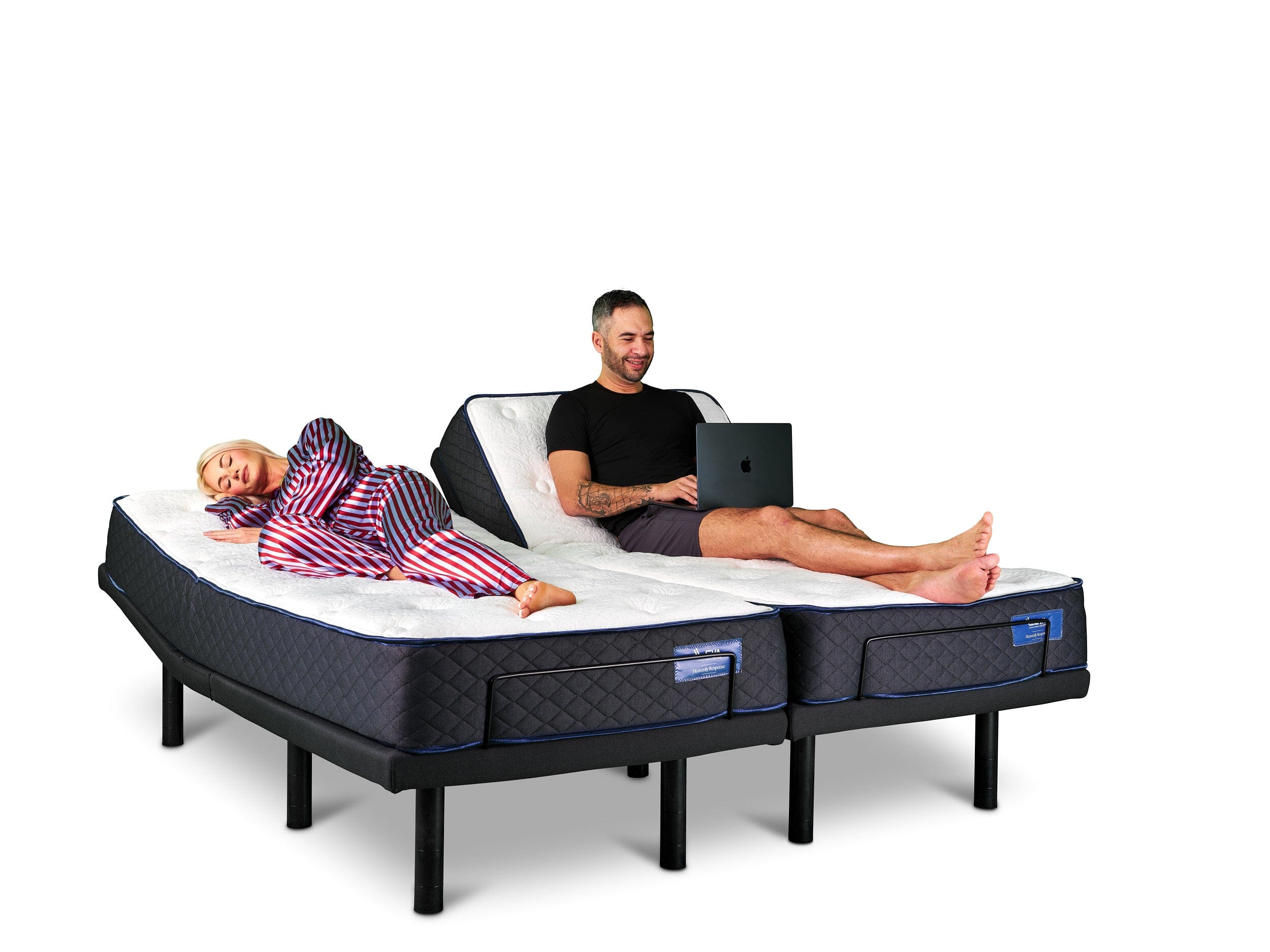
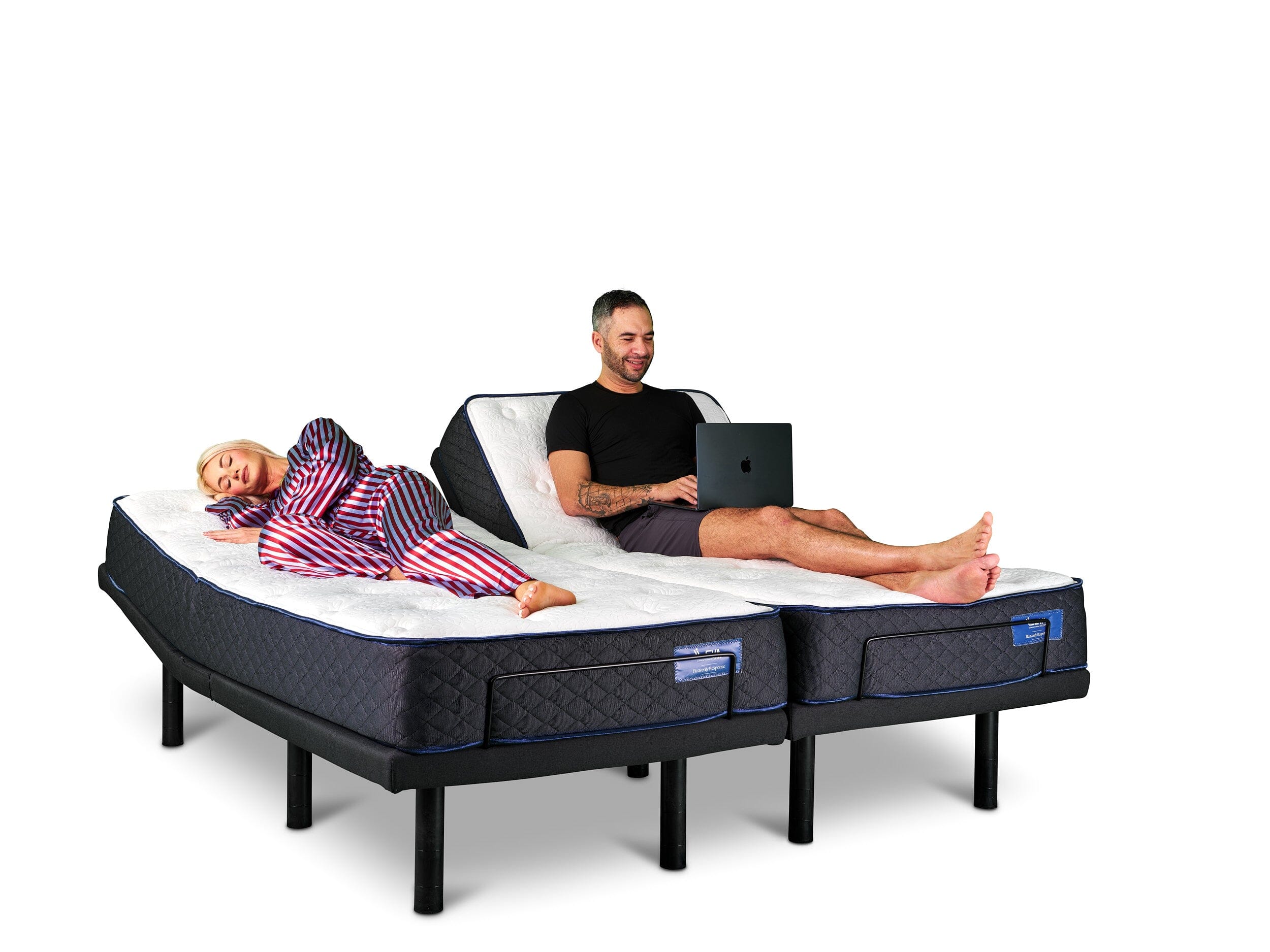
For couples, split-bed designs allow each person to adjust their side separately. This meets individual needs while keeping the shared bed experience intact, ensuring both get quality rest.
Why Sleep Position Matters for Breathing
Sleep position directly affects airway health. Around 60-70% of sleep apnea cases worsen on the back compared to side-sleeping, which often reduces airway collapse and snoring. This shows why maintaining the right position at night is key.
Adjustable beds help by lifting the head and torso, easing pressure from gravity on the tongue and soft palate. This elevation also clears nasal passages, cutting down on mouth breathing. Adjusting leg height can further aid circulation and breathing by reducing diaphragm strain.
Users can customize settings to find the best position for their airway. Whether a slight lift or a steeper angle works best, saving these preferences ensures consistent results every night. For side-sleepers, subtle contouring supports spinal alignment while keeping airways clear, boosting overall sleep comfort.
Smart Features for Better Snore Control
Advanced adjustable beds go beyond basic lifts with smart anti-snore tools. Sensors and microphones pick up snoring instantly, triggering small head adjustments. These shifts are gentle enough to avoid waking you but effective in opening the airway.
These systems adapt over time, learning your sleep patterns to predict and prevent snoring before it starts. They adjust based on position or time of night, offering proactive relief rather than just reacting to noise.
Temperature controls add another layer of comfort. Customizable heating or cooling zones help prevent mouth breathing from heat or congestion due to cold, supporting uninterrupted rest. Smartphone apps tie it together, letting you track snoring patterns, adjust settings, and see how different positions impact your sleep.
Leva Sleep: A Focused Choice for Better Sleep in Canada
For couples in Canada dealing with snoring, Leva Sleep offers adjustable beds designed to address sleep disruptions. Their focus on this specific area means well-developed technology paired with comfort, tailored to the needs of shared sleeping spaces.
Leva Sleep stands out by prioritizing adjustable beds as their core product. This dedication results in detailed solutions that tackle snoring at its source. Their offerings include compatible mattresses and bedding, ensuring every part works together for effective results.
Split-bed designs are a key feature, allowing each partner to adjust their side for snoring relief without disturbing the other. This balance maintains closeness while solving individual sleep challenges.
Top Reasons to Choose Leva Sleep for Snoring Relief
- Smart Anti-Snore System: Detects snoring and automatically adjusts head position quietly, preventing disruptions while opening airways.
- Precise Positioning: German-engineered motors allow fine-tuned head and foot adjustments, saving preferred settings for consistent relief.
- Quiet Operation: High-quality motors run silently, ensuring adjustments don’t wake you or your partner.
- Split Bed Options: Available in queen and king sizes, letting each person customize their side for comfort and snoring control.
- Matching Accessories: Mattresses, sheets, and pillows designed for adjustable beds maintain support and fit during elevation changes.
Check out Leva Sleep adjustable beds to find a solution that blends comfort with effective snoring relief.
Choosing an Adjustable Bed: Key Factors for Snoring Relief
Evaluating Anti-Snore Performance and Features
When picking an adjustable bed for snoring, focus on how well the anti-snore system works. Accurate detection is critical; sensors should identify snoring without confusing it with other noises like fans or movement. Combining audio and vibration detection often gives the best results.
Adjustment speed and smoothness matter too. Good systems make small, gradual shifts to avoid waking you. Look for customizable sensitivity levels to match your specific needs. Motor quality affects this as well; quieter, precise motors, like those in Leva Sleep beds, ensure adjustments improve sleep rather than disturb it.
Integration with sleep tracking or apps can provide useful data. Seeing snoring patterns and adjustment outcomes helps fine-tune settings over time, ensuring the bed delivers real, lasting benefits.
Comfort and Personalization Matter Too
Snoring relief should fit into a broader focus on sleep quality. Independent controls in split beds let couples adjust separately, crucial when only one snores or each needs different settings. This avoids compromising one person’s comfort for the other’s needs.
Features like lumbar support or pillow tilt ensure spinal health during elevation, preventing strain. Added options like massage or temperature settings can reduce tension and optimize conditions, tackling snoring from multiple angles. Memory functions save effective positions, making it easy to return to what works best night after night.
Building a Cohesive Sleep Setup
The best snoring solutions work as part of a full sleep system. Mattresses made for adjustable beds keep comfort and support consistent, unlike standard ones that might create pressure points when elevated. Bedding also plays a role; sheets or pillows that don’t fit elevated positions can reduce effectiveness.
Leva Sleep includes bedding and accessories tailored for their beds, ensuring every piece supports snoring reduction. Durability and warranty coverage add value, protecting your investment. Reliable customer support and setup help also maximize the bed’s benefits, from correct installation to ongoing adjustments.
Comparison: Leva Sleep vs. Other Adjustable Beds for Snoring
|
Feature |
Leva Sleep Adjustable Beds |
Traditional Adjustable Beds |
Basic Flat Beds |
|
Anti-Snore Feature |
Automatic detection and gentle adjustment |
Manual elevation only |
None |
|
Independent Adjustments |
Yes, with split queen and king options |
Often full bed only |
None |
|
Motor Noise |
Silent German motors |
May be noisy |
None |
|
Integrated Accessories |
Designed for adjustable beds |
Standard bedding may not fit |
Standard bedding |
See how Leva Sleep stands out and shop adjustable beds built for couples facing snoring challenges.
Common Questions About Anti-Snore Adjustable Beds
How Does Head Elevation Reduce Snoring?
Raising your head and upper body stops gravity from pulling throat tissues backward, which often blocks the airway while sleeping flat. A slight lift, usually 15-30 degrees, improves air flow and cuts down on the vibrations causing snoring. This simple positioning can offer quick relief for many, as long as the angle avoids neck discomfort.
Can These Beds Help with Mild Sleep Apnea?
For mild positional sleep apnea, head elevation can lessen breathing interruptions by keeping airways open. This approach suits those whose symptoms worsen on their back, providing a less intrusive option than devices like CPAP for mild cases. However, a healthcare provider should guide treatment, especially for moderate to severe apnea where additional interventions may be necessary.
Do All Anti-Snore Beds Work the Same?
Effectiveness differs based on design and technology. Basic models offer only manual elevation, requiring trial and error to find the right spot. Advanced options, like Leva Sleep, use sensors for automatic adjustments, quietly shifting position as needed. Motor quality, split designs for couples, and tailored accessories also impact results, with higher-end beds often delivering better outcomes.
What If Snoring Persists Despite Using an Adjustable Bed?
If snoring continues after consistent use, it might point to deeper issues like severe airway blockage or sleep apnea. Consulting a sleep specialist or ENT doctor for a full evaluation, possibly including a sleep study, is a smart next step. Combining the bed with other aids like nasal strips or allergy management might also help achieve quieter sleep.
How Soon Can I Expect Snoring to Improve?
Many notice less snoring from the first night with proper positioning. However, finding the best settings and getting used to elevated sleep often takes a week or two. Smart systems may need a few nights to adapt to your patterns. Partners might spot the change first, reporting quieter nights soon after starting. Experimenting with elevation levels during this period helps lock in long-term comfort and relief.
Final Thoughts: Take Back Your Nights with Leva Sleep
Snoring doesn’t need to control your sleep or stress your relationship. Adjustable beds with anti-snore technology provide a reliable, comfortable way for Canadian couples to address this issue. By focusing on smart positioning, these beds help restore quiet, shared nights.
Leva Sleep offers thoughtfully designed adjustable beds with features like automatic snoring detection, silent operation, and split configurations for individual comfort. Their approach prioritizes both effectiveness and the needs of couples, supported by accessories that enhance the overall experience.
Better sleep brings more energy, sharper focus, and improved health, while also strengthening bonds through restful nights together. For those tired of disrupted sleep or considering separate rooms, an adjustable bed could be the answer to shared, peaceful rest.
Ready for quieter, better sleep? Shop Leva Sleep adjustable beds now and see how targeted anti-snore technology can improve your nights and daily life.