Key Takeaways
- Elevating your head 15-30 degrees reduces snoring by keeping airways open and limiting tissue vibration.
- Positional therapy eases mild sleep apnea symptoms, improves oxygen levels, and can reduce AHI by 30-50%.
- Head elevation can relieve acid reflux and GERD, improve circulation, ease back pain, support lymphatic drainage, and protect eye health.
- Split adjustable beds let couples choose independent positions so each partner sleeps comfortably with fewer disturbances.
- Canadian couples can access these benefits with Leva Sleep’s adjustable bed packages, which feature quiet motors and anti-snore modes.
9 Proven Health Benefits of Sleeping with Head Elevated
1. Dramatically Reduces Snoring by Opening Airways
Head elevation reduces snoring by using gravity to keep your airway open. When you lie flat, the tongue, soft palate, and throat tissues relax backward and partially block airflow. As air pushes through this narrow space, those tissues vibrate and create snoring sounds.
Raising the upper body by 15-30 degrees keeps these tissues forward and reduces vibration frequency and intensity. This angle range supports easier breathing while still feeling comfortable enough for long nights.
The elevation angle needs to sit in a sweet spot. Too little elevation offers minimal help. Too much can strain your neck and even make breathing harder. Adjustable beds hold a steady 15-30 degree angle all night, unlike stacked pillows that slide around and lose their effect.
Shop Leva Sleep’s adjustable beds with whisper-quiet German motors and precise controls that help you dial in your ideal anti-snore position.
2. Eases Mild Sleep Apnea Symptoms
Head elevation can ease mild obstructive sleep apnea by helping keep the airway open. In OSA, throat muscles relax too much during sleep and briefly stop breathing. Elevated sleeping positions can cut sleep apnea episodes by 30-50% by maintaining airway openness.
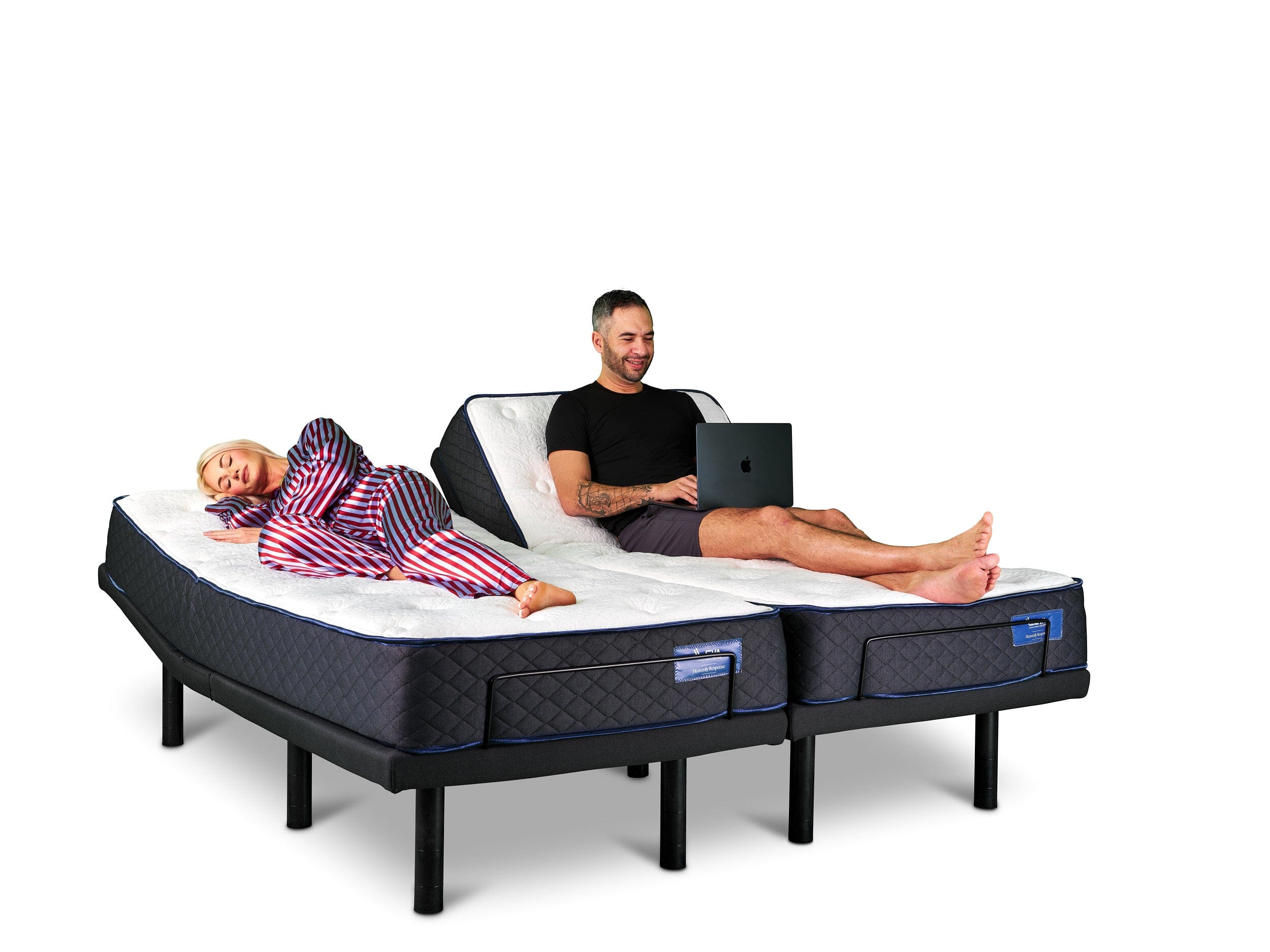
Positional therapy can lower the Apnea-Hypopnea Index (AHI), improve oxygen saturation, and reduce or even eliminate snoring in some OSA patients. Split adjustable beds let one partner sleep elevated for therapy while the other chooses a different position.
Severe sleep apnea still needs medical treatment. Mild cases, however, often respond well to elevation and may reduce reliance on CPAP machines while improving sleep for both partners.
3. Improves Circulation & Reduces Swelling
Inclined sleep can support healthier circulation and help reduce swelling. Sleeping on an incline improves venous return and helps prevent fluid buildup in the legs and ankles. This support lightens the workload on your cardiovascular system overnight.
Raising the legs with an adjustable bed can further improve blood flow and reduce swelling. People who stand or sit for long hours, or who already have circulation concerns, often benefit from raising both the head and feet.
Better circulation does more than increase comfort. It may lower the risk of blood clots, varicose veins, and other issues linked to poor blood flow over time.
4. Relieves Acid Reflux & GERD
Head and torso elevation can significantly reduce nighttime acid reflux and GERD symptoms. Inclined sleeping helps keep stomach acid where it belongs and speeds acid clearance. Many people notice fewer heartburn awakenings and less throat irritation.
Adjustable bed incline can ease acid reflux and heartburn symptoms by preventing acid from travelling up into the oesophagus. This approach offers a natural, non-drug way to manage symptoms, especially at night.
Split adjustable beds work well when only one partner has reflux. The affected partner can sleep elevated while the other stays flat, so both people stay comfortable and rested.
5. Eases Back Pain & Improves Alignment
Elevated sleeping positions can support the spine and reduce back pain. Sleeping on an incline can help with chronic pain, back pain, and arthritis by supporting the spine’s natural curve, easing lower back pressure, improving leg circulation, and reducing joint tension and inflammation.
People using adjustable bases often report better sleep quality and less back pain. Adjusting both head and foot elevation lets you find a neutral spine position that reduces pressure points and muscle strain.
Many users also notice less morning stiffness and better mobility during the day after switching to an elevated sleep setup.
6. Boosts Lymphatic Drainage & Immunity
Gentle elevation can support lymphatic flow and immune health. Incline sleeping may improve lymphatic drainage, reduce inflammation, and support immune function. The lymphatic system depends on movement and gravity to move fluid and clear waste.
Elevated positions encourage lymph to move toward key drainage areas. This support can help people with lymphedema, chronic inflammation, or weakened immune systems by assisting the body’s natural detox processes during sleep.
Extra immune support becomes especially helpful during cold and flu season, when faster recovery and better resilience matter most.
7. Lowers Intraocular Pressure for Eye Health
Head elevation can help protect eye health in people with glaucoma or high eye pressure. For glaucoma patients, head elevation can reduce intraocular pressure by limiting fluid buildup in the eye.
This approach does not replace medical treatment. It can, however, act as a simple add-on therapy. Gravity helps lower pressure naturally, so the risk stays low while the potential benefit remains meaningful.
Adjustable beds let one partner sleep at a therapeutic angle for eye health while the other chooses a different position without losing comfort.
8. Enhances Sleep Continuity for Couples
Inclined sleep can help couples stay asleep longer with fewer disruptions. Inclined positions can reduce reflux and snoring-related awakenings. When one partner snores or tosses, both often wake up and feel tired the next day.
Split adjustable beds give each partner independent control. Quiet motors allow position changes without loud noise. Each person can choose their own elevation for snoring, reflux, back pain, or comfort.
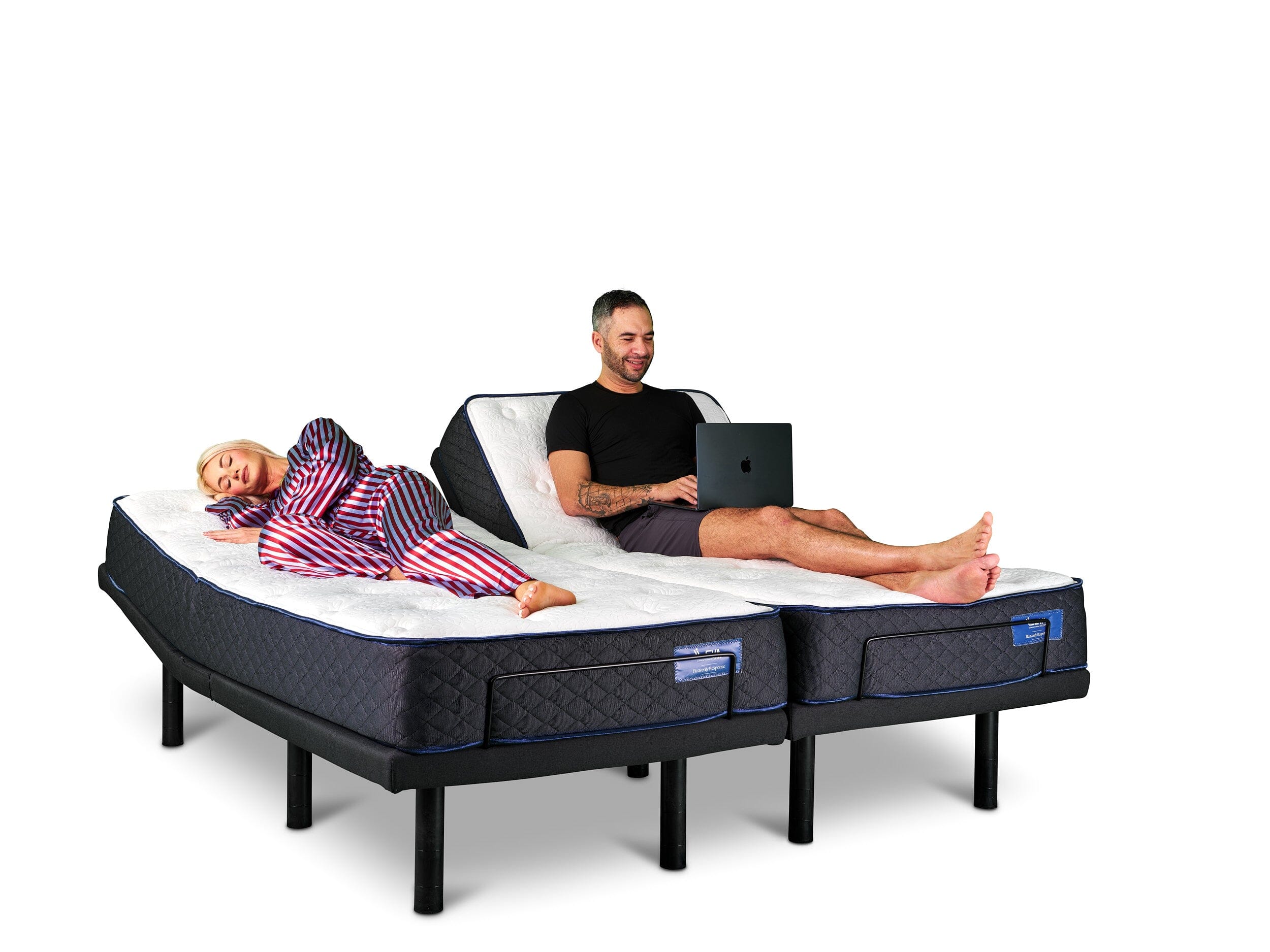
Shop Leva Sleep’s adjustable beds with split setups designed for couples who want better sleep and fewer nighttime conflicts.
9. Safety First: Minimal Side Effects
Most people tolerate elevated sleeping positions well and experience few side effects. Some people with autonomic failure may see modest blood pressure drops from reduced venous return, yet this change usually remains manageable.
During the first few nights, some people notice mild neck or upper back discomfort as their body adapts. This discomfort often fades quickly when elevation increases gradually, and the head and spine receive proper support.
Compared with many sleep medications, positional therapy through elevation offers a lower risk while delivering several health benefits at once.
How to Implement Elevated Sleep: Step-by-Step Guide
Start with a small change and build from there. Begin around 15-20 degrees of head elevation and slowly move toward 30 degrees if it feels comfortable. Wedge pillows can help in the short term, but often slide out of place and lack fine control.
Adjustable beds provide more reliable elevation with motorized systems that hold your position all night. Many modern bases include app control, preset buttons, and whisper-quiet operation that keeps your partner asleep.
Couples often prefer split configurations so each person can choose their own angle. Mattresses designed for adjustable bases bend smoothly and keep support consistent at every elevation.
Shop Leva Sleep’s adjustable beds with upcoming anti-snore mode (launching spring 2026), created for Canadian couples who want premium, flexible sleep setups.
Frequently Asked Questions
Does sleeping with the head elevated help snoring?
Head elevation can significantly reduce snoring for many people. Raising the head 15-30 degrees helps prevent soft tissues in the throat from collapsing and keeps the airway open. Gravity then reduces tissue vibration, which lowers snoring volume and frequency. Adjustable beds hold this angle more consistently than loose pillows that shift overnight.
What is the best position to stop snoring?
Side sleeping with head elevation often works best for snoring relief. Side positions keep the tongue and soft palate from falling straight back into the airway. Elevation then adds extra support by using gravity to keep the airway open. Together, these changes target several causes of snoring at once.
How many pillows should I use to stop snoring?
Multiple stacked pillows rarely help with snoring and can sometimes make it worse. Stacks move around, collapse, and bend the neck at awkward angles. That position can narrow the airway further. Adjustable beds or well-designed wedge pillows create a stable, gentle incline that supports both breathing and neck alignment.
Are there side effects of sleeping elevated?
Most people experience few or no side effects from elevated sleep. Some notice temporary neck or shoulder discomfort while adjusting to a new angle. This usually improves within a few nights when elevation increases slowly, and the pillow supports the neck correctly. People with heart or blood pressure conditions should speak with a healthcare provider before making major changes.
Is elevated sleep safe during pregnancy?
Elevated sleep can help many pregnant women, especially with heartburn and reflux in later trimesters. Raising the head and torso helps keep stomach acid down and can also ease breathing. Pregnant women should still consult their healthcare provider before changing sleep positions, particularly if they have high-risk pregnancies or other complications.
Conclusion: Elevate Your Sleep with Leva
Elevated sleeping positions offer wide-ranging health benefits that go beyond snoring relief. Better circulation, fewer reflux symptoms, improved spinal alignment, and smoother sleep for couples all become more achievable with the right incline.
Pillows and wedges can help temporarily, yet adjustable beds deliver the precision, stability, and comfort needed for long-term results. Canadian couples who want to avoid “sleep divorce” often find that split adjustable beds let each partner get what they need without sacrificing closeness.
Leva Sleep’s adjustable beds combine quality materials, whisper-quiet German motors, and advanced features at 30-50% less than many competitors. With Canadian-made structural components, white-glove delivery across Ontario and Alberta, and anti-snore mode arriving in spring 2026, Leva offers a complete elevated sleep solution for your home.
Shop Leva Sleep’s adjustable beds today and experience how proper elevation can improve your sleep, support your health, and help you and your partner rest better together.