
Written by: Matthew Timmins, Founder and Managing Director, Leva Sleep
Key Takeaways for Canadian Mattress Shoppers
- GhostBed offers 20 to 25 year warranties with 10 years of full coverage. After year 10, proration starts at 50% of the mattress cost plus shipping, which makes replacements expensive.
- Common warranty voids include stains, improper foundations, placing the mattress on the floor, resale, and lack of registration. These risks increase for adjustable bed users.
- Canadian brands like Douglas, Silk & Snow, and Endy provide 15 to 20 year warranties with similar proration and voids, but they offer stronger local Canadian support.
- The GhostBed claim process often involves delays, photo evidence, and disputes. Adjustable base compatibility can create extra complications.
- Leva Sleep’s integrated adjustable bed packages reduce the risk of voids through specialized design and white-glove delivery, which protects your warranty coverage. Shop now for stronger warranty protection.
How GhostBed Warranty Stacks Up Against Top Canadian Brands
|
Brand |
Length/Full Period |
Sag Threshold/Proration |
Key Voids/Claims/Notes |
|
GhostBed |
20-25yr/10yr full |
>1.5″/50-95% post-10yr |
Stains, improper base, gift/sale, registration required |
|
Douglas |
15-20yr/varies |
Standard/Limited proration |
Similar voids, Canadian support |
|
Silk & Snow |
15yr/varies |
Standard/Moderate proration |
Floor placement voids, Canadian service |
|
Endy |
15yr/varies |
Standard/Limited proration |
Standard voids, local processing |
|
Leva-paired |
Integrated coverage |
Void-resistant design |
White-glove prevents voids, split specialization |
The 2026 warranty landscape shows clear differences in real-world coverage. While Douglas offers 20-year coverage on select models and Endy and Silk & Snow provide 15-year warranties, GhostBed’s longer term loses value once you factor in proration costs and strict void conditions.
Leva Sleep’s integrated approach reduces many warranty pitfalls. Their specialized adjustable bed design and white-glove delivery help prevent common void triggers such as improper setup or foundation problems.
Shop Leva Sleep’s adjustable beds for comprehensive warranty protection
GhostBed Warranty Coverage Explained
GhostBed mattresses carry 20-year warranties for Classic and Comfort models, while Signature, Luxe, Flex, 3D Matrix, and Natural models include 25-year coverage. The warranty offers full replacement for the first 10 years and covers manufacturing defects, tears, and sagging that exceeds 1.5 inches.
Key coverage details include:
- Sagging threshold of impressions greater than 1.5 inches
- Exclusions for cooling property changes, normal feel variations, and damage from misuse
- Original buyer restriction, where the warranty voids if given as a gift or sold
- Registration requirement for warranty validity
Adjustable bed users receive only basic compatibility from GhostBed. The brand voids coverage for improper foundation use, which creates potential issues for couples using specialized split configurations.
Common GhostBed Warranty Voids That Catch Buyers Off Guard
GhostBed warranty voids often occur through predictable scenarios that affect many adjustable bed users.
- Stains or liquid damage from spills or bodily fluids
- Improper foundation or floor placement
- Failure to register the mattress within the required timeframe
- Transfer as a gift or resale to a non-original purchaser
- Physical damage from misuse or accidents
Consumer complaints show additional challenges, including delays in claim responses and disputes over trial periods. The original purchaser requirement also complicates situations for couples who receive beds as gifts or buy through third parties.
Leva Sleep’s white-glove delivery and specialized bedding accessories reduce many of these common void triggers before they occur.
GhostBed Warranty Claim Process for Canadian Buyers
The GhostBed warranty claim process requires registration and photographic evidence and often involves delays based on consumer reports. Multiple consumers report claim challenges such as delayed responses and disputes over eligibility, especially during trial periods.
Post-10-year claims become expensive because of proration. A mattress that needs replacement in year 15 costs 70% of the original price plus shipping and handling fees. For premium models, that total can exceed $1,000.
Couples using adjustable beds for conditions like sleep apnea or snoring face extra risk if the base is not properly compatible. Leva Sleep reduces these issues with purpose-built split systems that match the base and mattress for reliable compatibility.
Why Leva Sleep Stands Out for Adjustable Bed Couples in Canada
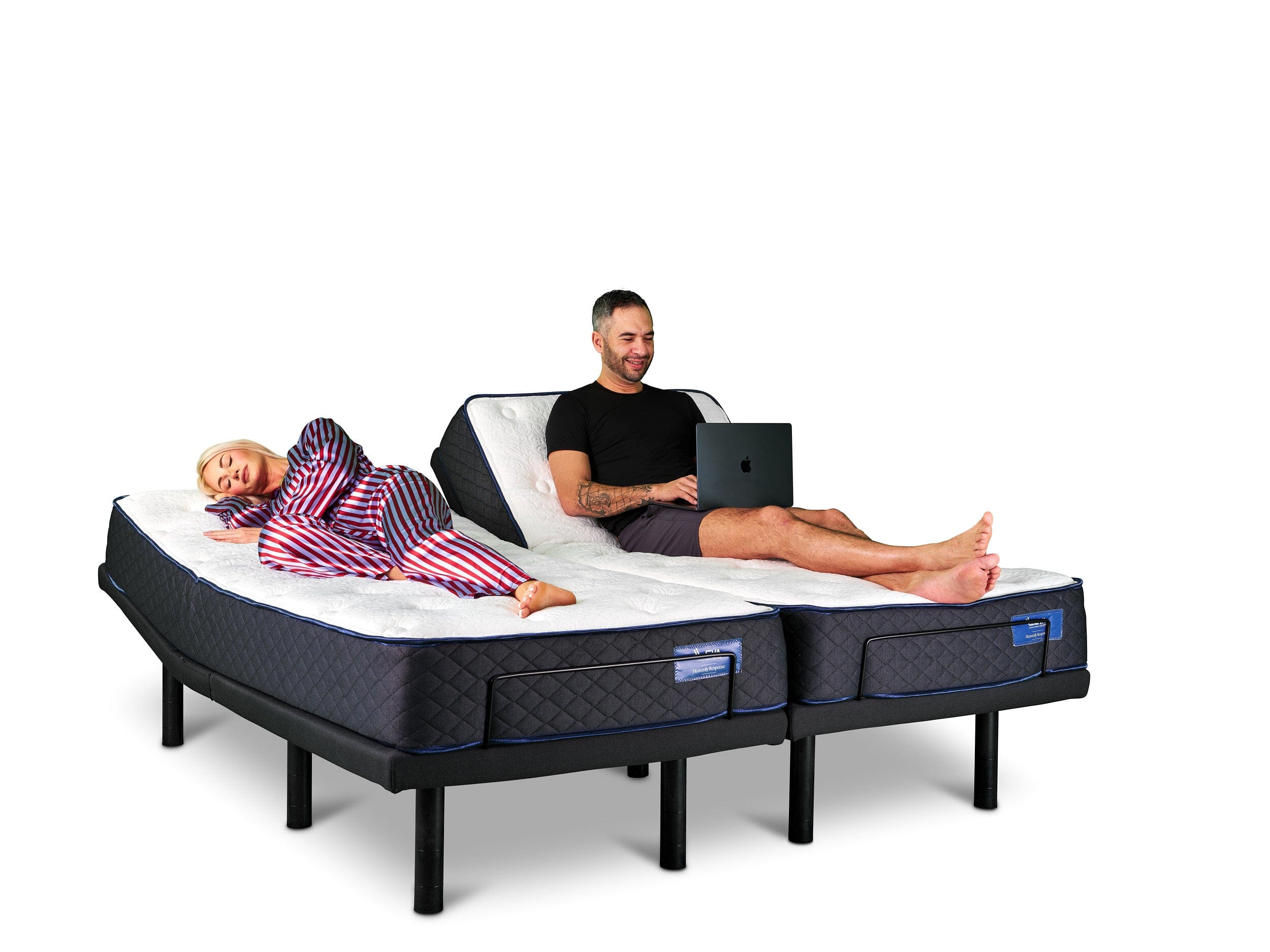
Leva Sleep stands out through vertically integrated split queen and king adjustable bed systems that pair specialized mattresses with whisper-quiet German motors. Traditional mattress warranties often void coverage when adjustable base complications arise, while Leva’s specialized design helps maintain compatibility.
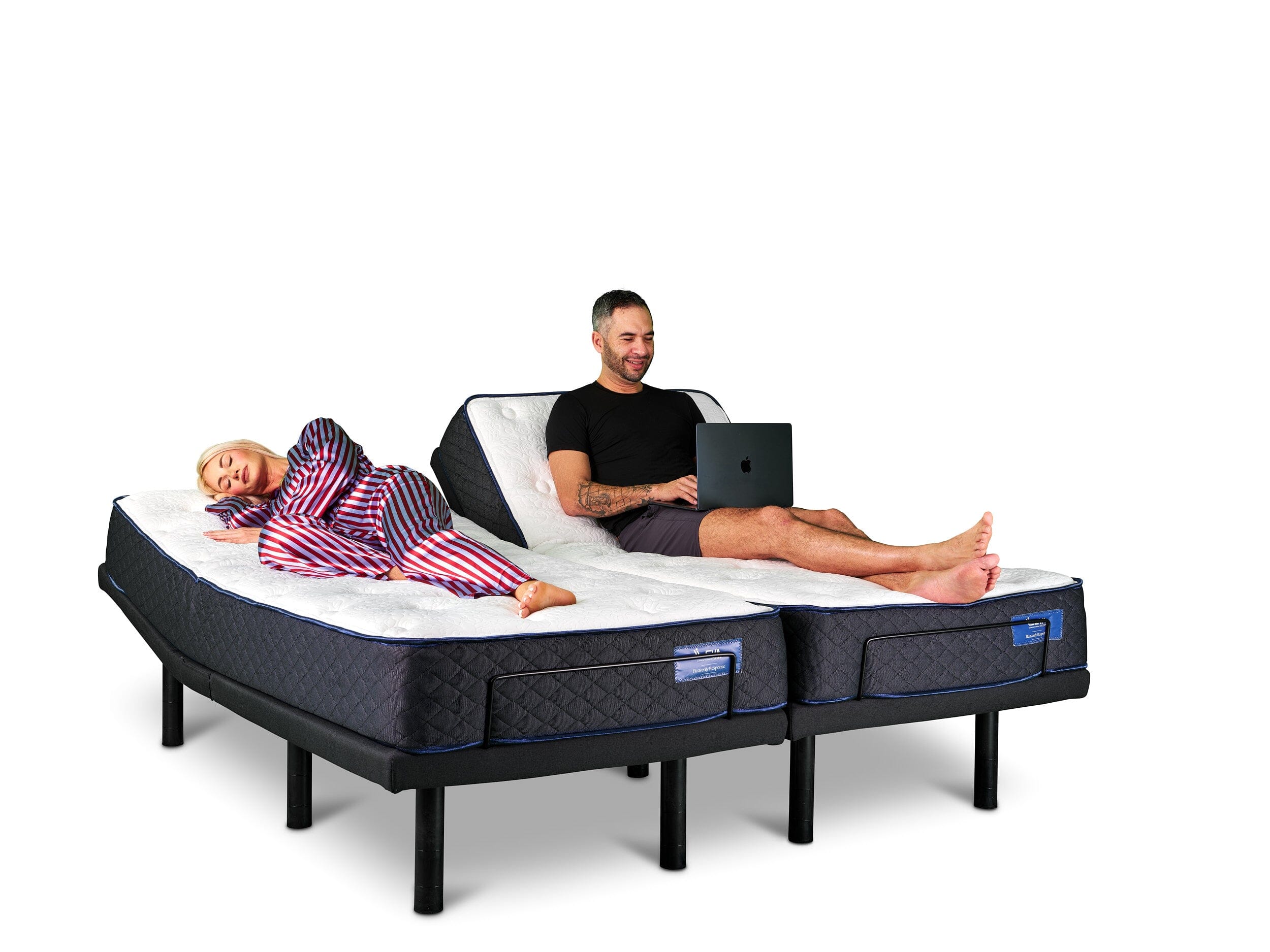
Key advantages for Canadian couples include:
- Split configurations with independent controls so each partner can choose their own position
- Anti-snore technology launching spring 2026 with precise micro-adjustments
- Specialized bedding with extra elastic and remote pockets for easier use
- White-glove delivery that prevents setup-related warranty voids
- Estimated 30-50% cost savings compared to many premium competitors
- Canadian components with local support and service
Customer testimonials describe resolved “sleep divorce” situations where couples return to a shared bed. They report improvements in snoring, temperature differences, and firmness preferences through Leva’s split systems.
Couples who prioritize warranty security and adjustable bed performance receive stronger value from Leva Sleep’s specialized design than from traditional mattress brands.
Shop Leva Sleep’s adjustable beds for warranty-protected sleep solutions
Frequently Asked Questions
GhostBed vs Douglas Warranty for Canadian Shoppers
Douglas offers 15 to 20 year warranties depending on the model, which matches GhostBed’s length on some products and can include longer trial periods. GhostBed’s claim process appears more challenging based on consumer reports, while Douglas offers more localized Canadian customer service. Both brands share similar void conditions, but GhostBed’s proration schedule after 10 years often results in higher replacement costs.
Flipping a Mattress and Warranty Void Risks
Flipping non-flippable mattresses such as most GhostBed and Endy models voids the warranty because it counts as misuse. Most modern foam and hybrid mattresses use specific top and bottom layers that should not be reversed. Leva Sleep designs mattresses specifically for adjustable bases and includes clear orientation markers to help prevent accidental voiding.
Steps to File a GhostBed Warranty Claim in Canada
Register your mattress first, then document the defect with clear photographs and visible measurements for sagging issues. Contact GhostBed customer service with your registration information and evidence. Prepare for possible delays in response times and potential shipping costs if GhostBed approves a replacement. Leva Sleep’s local white-glove service offers faster resolution for warranty issues through direct Canadian support.
Best Mattress Warranty for Adjustable Bed Users
GhostBed offers the longest stated warranty period at 20 to 25 years, but Leva Sleep delivers stronger practical protection for adjustable bed users. Their specialized design for both base and mattress components helps prevent common warranty voids related to adjustable base compatibility. Their white-glove service also removes many setup-related issues that often void traditional mattress warranties.
Adjustable Bed Positioning and Warranty Voids
Adjustable bed positioning can void a mattress warranty if the mattress is not designed for adjustable bases or if the base fails to provide proper support. Many traditional mattress warranties exclude coverage when used on incompatible adjustable frames. Leva Sleep removes this risk by designing mattresses specifically for their adjustable bases, which keeps coverage intact even for medical positioning needs such as sleep apnea or snoring relief.
Conclusion: Leva Sleep for Hassle-Free Warranty Coverage
GhostBed’s 20 to 25 year warranty looks attractive at first, but proration costs, strict void conditions, and claim challenges create real risks for Canadian couples investing in adjustable beds. Paying 70% replacement costs plus shipping in year 15, combined with compatibility concerns and potential voids, reduces the practical value of GhostBed’s coverage.
Leva Sleep’s integrated approach reduces these warranty pitfalls through specialized split adjustable bed systems that remain compatible across a wide range of positions. Their white-glove delivery prevents setup-related voids, and their 30 to 50% cost savings offer better value than many premium competitors with complex warranty terms.
Canadian couples who prioritize sleep quality, medical needs, and warranty security gain a comprehensive and reliable solution with Leva Sleep in the adjustable bed market.
Shop Leva Sleep’s adjustable beds today for confidence-backed sleep