Visit One Of Our 6 Showrooms Located Across Canada!
No Payments, No Interest Until 2027
Free Delivery & In-Home Set Up
Habits to Manage Stress for Deeper, Better Sleep
Content
Written by: Matthew Timmins, Founder and Managing Director, Leva Sleep | Last updated: July 15, 2026
Key Takeaways
The 3-3-3 rule creates a structured wind-down by stopping work, eating, and screens three hours before bed to support deeper sleep.
Stress management frameworks like the 5 C’s (Control, Commitment, Challenge, Connection, Calm) translate into practical, sleep-supporting habits.
Seven evidence-based habits, from worry windows and to-do lists to breathing exercises and consistent wake times, help break the stress-sleep cycle naturally.
Environmental adjustments such as cool bedrooms, morning light exposure, and warm pre-bed showers can improve sleep quality within days to weeks.
For couples facing ongoing sleep disruption, Leva Sleep’s split adjustable beds provide independent comfort settings that habits alone cannot resolve. Shop Leva Sleep’s adjustable bed packages to find your solution.
Deep Sleep When You Are Stressed
A randomised trial by Battalio et al. published in PLOS One (n=212 adults) showed that a stress-and-sleep program combining daily self-monitoring with relaxation exercises increased total sleep duration by 92.65 minutes over nine months. The matched diet-and-activity group saw less than one-third of that gain. Targeted stress habits therefore change sleep much more than broad lifestyle tweaks.
The 3-3-3 rule turns the final three hours before bed into three clear boundaries that protect sleep. Three hours out, stop all work, emails, and task planning, which shifts the brain out of problem-solving mode. At the same time, finish eating so digestion does not compete with sleep onset. Then power down screens so blue light no longer suppresses melatonin and the brain can start winding down. Data from the Sleep Foundation links evening work email with more trouble falling asleep, which shows why the work boundary matters as much as the screen rule. The 3-3-3 rule does not cure chronic insomnia, but it sets up the mental and physical conditions that the seven habits below can strengthen.
The 5 C’s of Stress Management for Better Sleep
The 5 C’s of stress management, Control, Commitment, Challenge, Connection, and Calm, come from resilience psychology and translate directly into sleep habits.
Control: Focus on what you can act on and write down what you cannot change. A written worry list externalises unfinished thoughts.
Calm: Build a daily relaxation practice using breathing, meditation, or gentle movement. This practice activates the parasympathetic nervous system before bed.
These five principles create the mental framework. The next sections explain how stress and anxiety disrupt sleep and how specific habits counter that effect.
Common pitfall: Journaling in bed links the bedroom with active problem-solving. Hold the worry window at a desk or kitchen table instead.
Expert tip: Canadian tax season and year-end deadlines in November and December often spike worry. Placing the worry window right after dinner, before the 3-3-3 rule starts, keeps intense planning out of the pre-sleep period.
Common pitfall: Vague items such as “deal with work stuff” do not create closure. Concrete tasks like “email Dr. Patel by 10 AM” provide the real sleep benefit.
Expert tip: Couples can write the list together as a shared shutdown ritual. This synchronises wind-down timing and reduces the chance that one partner’s late-night planning disturbs the other’s sleep.
Habit 4: Use Diaphragmatic Breathing or Progressive Muscle Relaxation
Common pitfall: Using these techniques only when already anxious in bed limits their impact. Brief daily practice, even five minutes after dinner, trains the parasympathetic response so it activates more easily at night.
Common pitfall: Very hot showers or showers taken right before lying down can raise core temperature. Leave at least 15 minutes between the shower and getting into bed.
Common pitfall: Sleeping in on weekends to “catch up” can shift your circadian clock by one to two hours. This shift often causes Monday grogginess and makes the coming week’s stress harder to handle.
Expert tip:TherapEase recommends 15–20 minutes of morning sunlight exposure, even as late as 8:30 AM in Canadian winters, to reinforce circadian timing. In January in Edmonton or Toronto, sunrise occurs after 8 AM, so a short outdoor walk after waking works well.
Habit 7: Get Morning Light Exposure Within an Hour of Waking
Common pitfall: Checking your phone right after waking delivers blue light without the broad-spectrum benefits of natural light. It also reactivates the stress response before your nervous system has fully left sleep mode.
Expert tip: Alberta’s chinook seasons and Ontario’s overcast winters both reduce natural light intensity. A light therapy lamp at the breakfast table fits easily into existing routines and provides a reliable circadian signal from October through March.
When Great Habits Collide With Partner Sleep Issues
Strong daily habits support deep sleep, but they cannot control what happens on the other side of the bed. Adults who share a bed experience more sleep disturbances than solo sleepers, often from temperature disagreements, partner movement, and snoring. Snoring affects 40% of adult men and 24% of adult women, and the non-snoring partner may lose about one hour of sleep per night. Research in Psychoneuroendocrinology found that sleep-deprived couples showed higher cortisol during conflict discussions. One partner’s disrupted sleep can therefore raise the other’s stress and undo the progress both are making.
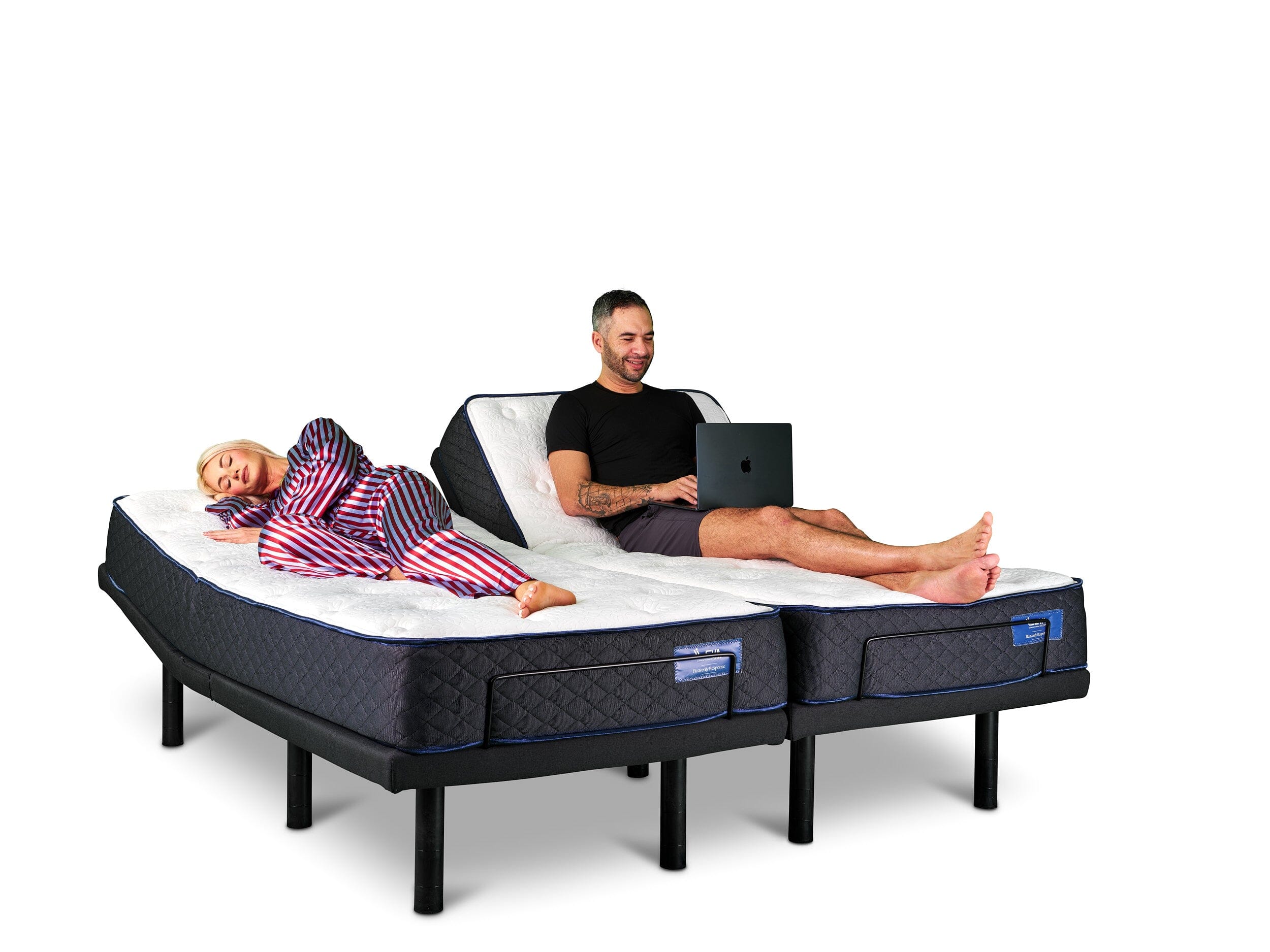
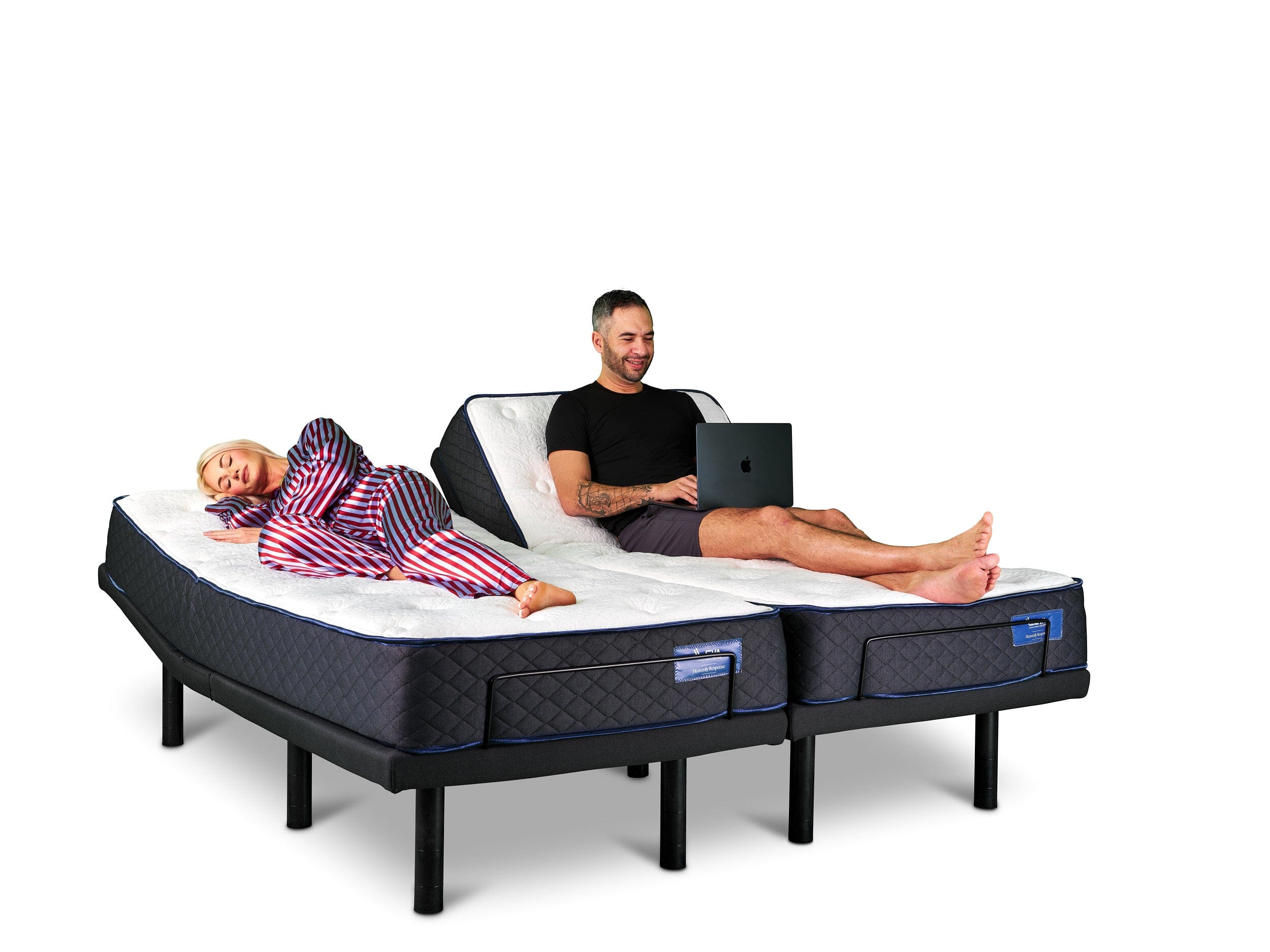
Leva Sleep’s split adjustable bases solve problems that habits alone cannot touch. Each side of the bed moves independently, so one partner can elevate the head to reduce snoring while the other lies flat. One person can use a heating or cooling pad while the other chooses a different temperature. Whisper-quiet German motors allow position changes without waking a sleeping partner. For couples in Ontario and Alberta, Leva Sleep’s in-house white-glove delivery covers setup, old bed removal, and a full product walkthrough. This service removes the usual logistical hurdles between choosing a new bed and enjoying the first night of uninterrupted sleep.
The 3-3-3 rule is a pre-sleep routine built around three boundaries, each set three hours before bed: stop all work and task planning, stop eating, and stop using screens. The work boundary helps the brain leave problem-solving mode. The eating boundary lets digestion slow so the body can focus on sleep. The screen boundary allows melatonin production to start without blue light interference. This rule works best when paired with a consistent wake time and a wind-down routine that fills the evening with calming activities such as journaling, stretching, or a warm shower.
What are the 5 C’s of stress management?
The 5 C’s, Control, Commitment, Challenge, Connection, and Calm, form a resilience-based approach to stress. For sleep, Control means identifying actionable worries and releasing the rest through journaling. Commitment means keeping regular sleep and wake times even when your schedule feels tight. Challenge means viewing stressors as problems to solve instead of threats to endure, which supports faster cortisol recovery. Connection means maintaining social support so isolation does not magnify nighttime anxiety. Calm means building a daily relaxation practice using breathing, meditation, or gentle movement that trains your nervous system to settle at bedtime.
Why can’t I sleep because of stress and anxiety?
As explained earlier, stress triggers a cascade of hormones, mainly cortisol and adrenaline, that keep the body alert and ready for action. This state clashes with the lower heart rate, cooler core temperature, and quiet nervous system that deep sleep requires. Anxiety adds racing thoughts, which keep worries active and block the transition into slow-wave sleep. The most effective responses target both the body and the mind. Breathing techniques and temperature management calm the physiological response, while scheduled worry time, to-do list journaling, and keeping the bed for sleep rather than problem-solving address the mental loop.
Does Leva Sleep deliver to my area in Canada?
Leva Sleep currently offers in-house white-glove delivery in Ontario and Alberta. This service includes delivery to the bedroom, full assembly, leg-height adjustment, a product tutorial, and removal of the old bed through donation or recycling. The service is available for a fee and removes the usual setup burden that comes with large adjustable bed purchases. Customers outside these provinces can contact Leva Sleep directly to discuss options, as the delivery area continues to grow.
What is a Split Queen adjustable bed and who is it for?
A Split Queen adjustable base divides a standard queen-size sleep surface into two independently controlled halves, each with its own motor, elevation settings, and, on higher-end models, massage and temperature controls. This setup suits couples who share a queen-size bed but have different needs. One partner may need head elevation for snoring or acid reflux while the other prefers a flat position. One may sleep hot while the other feels cold. Leva Sleep is one of the few Canadian retailers offering a Split Queen configuration built to customer specifications, which helps couples in smaller bedrooms where a Split King will not fit. Independent controls allow each partner to keep their preferred settings without compromise.