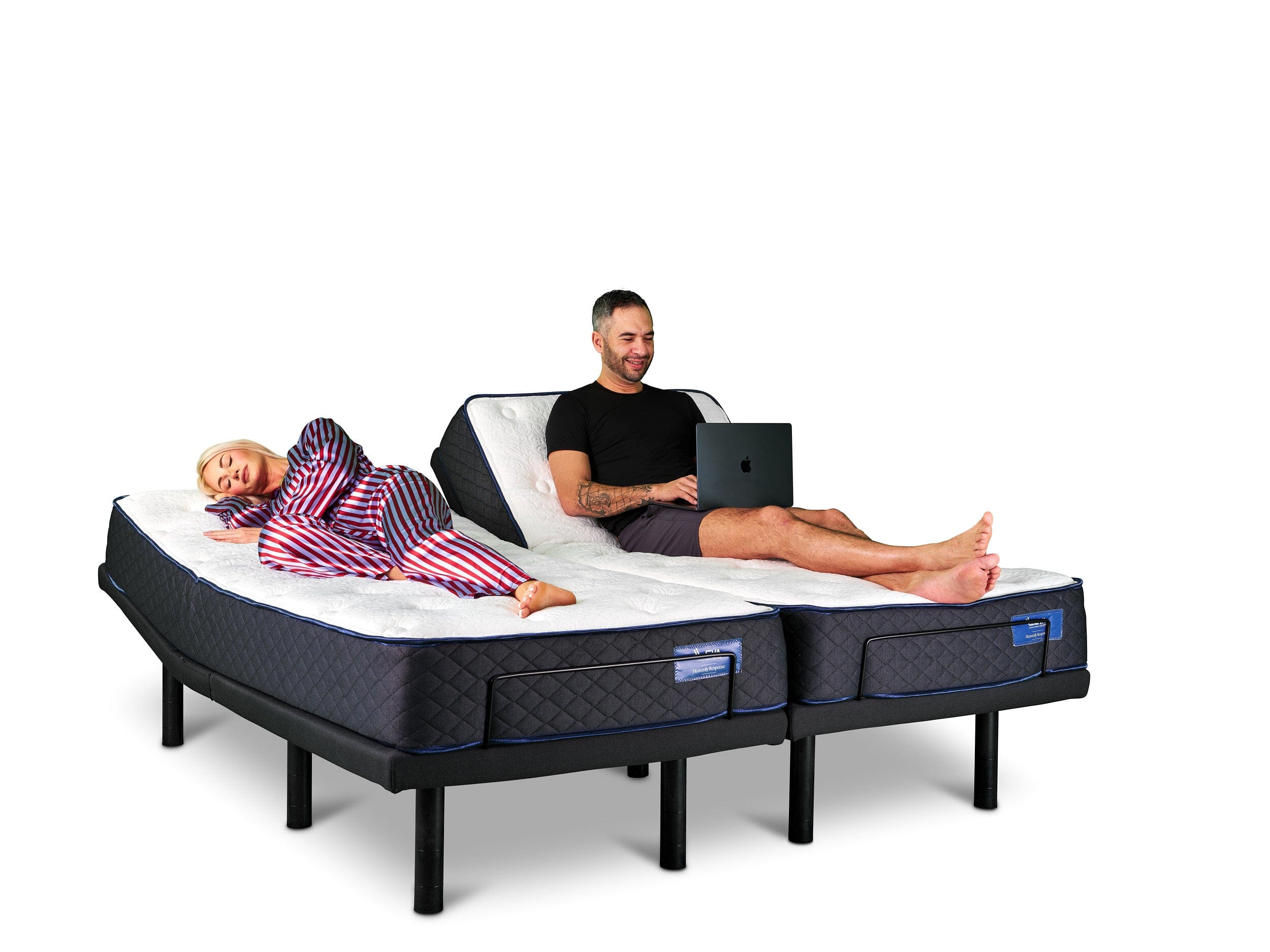
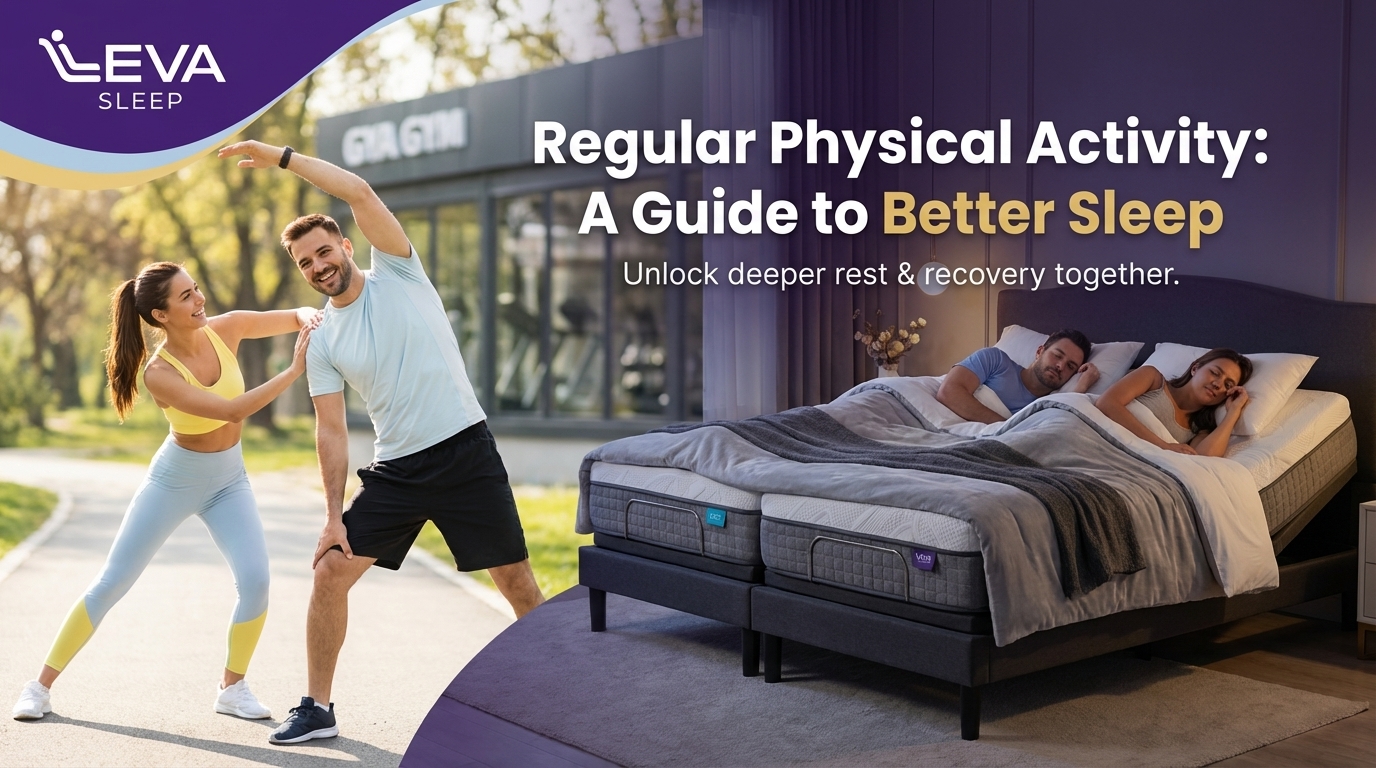
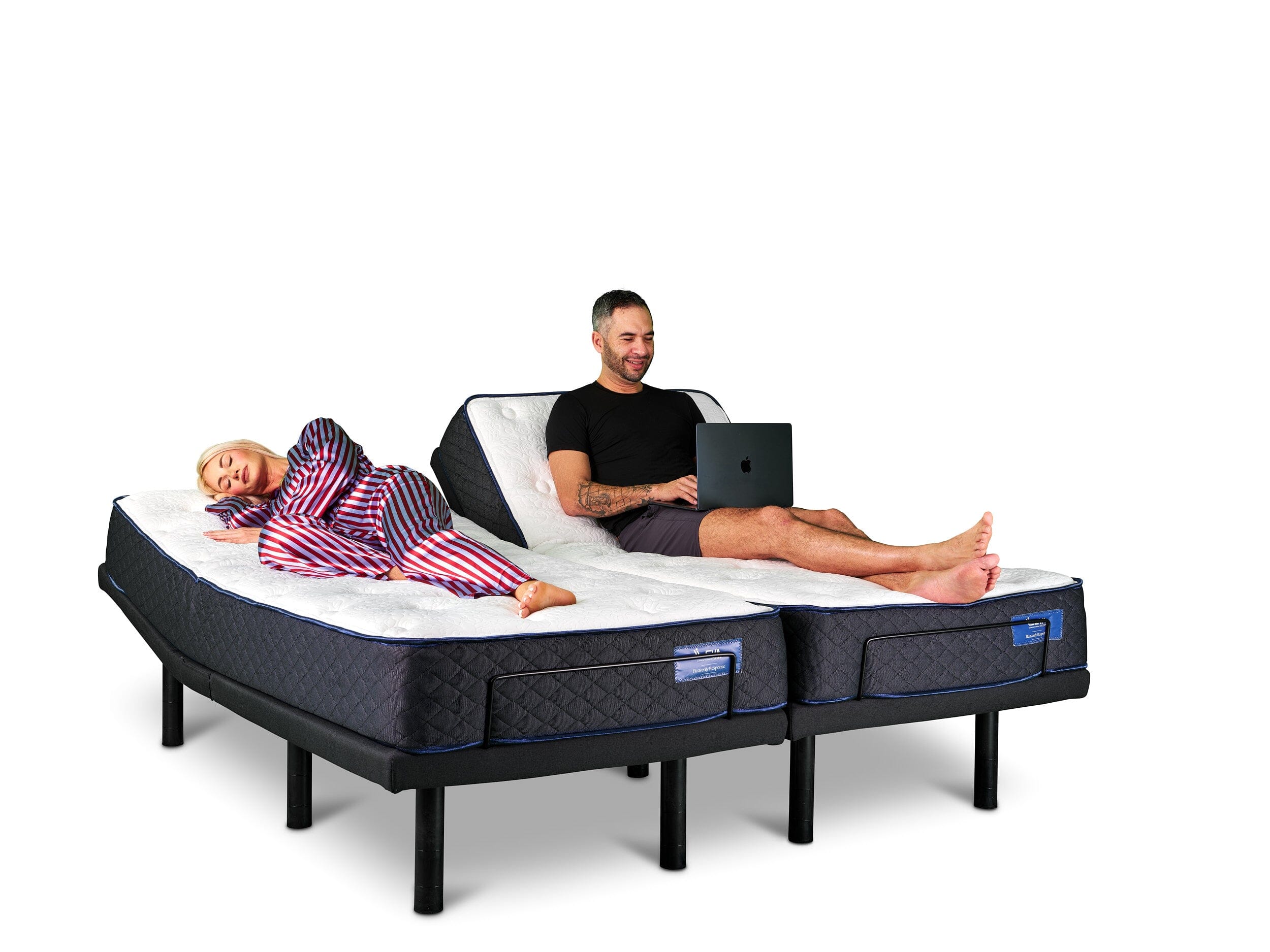
Finding better sleep often starts with the right bed, but it doesn’t end there. While a quality sleep system like Leva Sleep’s adjustable beds offers essential comfort, true rest comes from a broader approach. Regular physical activity plays a key role, working hand-in-hand with your sleep environment to improve rest and overall health. This guide focuses on how movement impacts sleep, especially for couples, and offers clear steps to integrate activity into your routine alongside the benefits of a Leva Sleep bed.
Physical activity does more than tire you out. It influences your body’s natural rhythms, hormones, and stress levels, paving the way for deeper, more consistent sleep. When paired with the customizable support of an adjustable bed, these effects become even stronger. If you’re navigating snoring, differing sleep needs, or daily stress, understanding this connection can help you make smarter choices. Explore how to build a balanced lifestyle with Leva Sleep’s adjustable beds.
How Physical Activity Improves Your Sleep
More Than Just Tiredness: Why Movement Matters
Exercise isn’t just about feeling tired at the end of the day. It directly enhances sleep by supporting natural processes in your body. Consistent activity boosts melatonin, reduces stress, lifts mood, and helps regulate body temperature for better rest. These changes create an ideal setting for falling asleep and staying asleep.
For couples, shared activity can align sleep patterns. When both partners move regularly, they often notice fewer disturbances at night and feel more refreshed in the morning. This shared benefit can even improve daytime interactions, as better rest supports emotional balance.
Key improvements include falling asleep faster, experiencing deeper sleep stages, and waking up less often. These advantages are especially helpful for couples with unique sleep issues, as stable rest for one often means better sleep for both.
Body and Sleep: A Natural Partnership
Your body relies on complex systems to manage sleep, from hormones to nerve signals. Physical activity helps balance these systems, setting the stage for quality rest. Exercise supports sleep through chemical changes like endorphin release, which eases stress and aids rest-related brain functions.
Activity improves heart health, helps your nervous system switch to relaxation mode, and aligns hormone release with sleep cycles. For couples, these changes mean fewer disruptions from movement and a calmer shared sleep space.
Recognizing this link lets couples treat exercise as part of their sleep routine, not a separate task. Combining movement with the tailored comfort of an adjustable bed builds a stronger foundation for rest.
Breaking Down the Science: Exercise and Sleep
Hormone Balance for Better Rest
Exercise helps regulate hormones that influence sleep, creating lasting effects beyond the workout itself. Activity increases growth hormone during deep sleep, supporting recovery and repair.
Melatonin, a hormone tied to sleep timing, rises with regular movement, especially when workouts match your daily rhythm. Growth hormone, active during exercise and deep sleep, aids in rebuilding tissues overnight. Meanwhile, lowering cortisol through activity helps manage stress, which often disrupts rest. Poor sleep raises cortisol, worsening stress and recovery challenges.
For couples, balanced hormones can mean less irritability and stronger emotional ties, fostering a peaceful bedtime environment.
Brain Chemistry: Stress Relief and Calm
Movement triggers brain changes that support rest by easing tension and improving mood. Regular activity increases endorphins, helping reduce stress and align sleep cycles.
Endorphins don’t just lift your mood after a workout. They create a lasting calm that helps you unwind at night. Serotonin and other brain chemicals also play a role, supporting relaxation. Mixing aerobic and strength exercises offers the best results for sleep quality.
Couples benefit from these changes as better mood and stress control lead to fewer bedtime disagreements, creating a smoother transition to sleep.
Cooling Down: Body Temperature and Sleep
Exercise impacts how your body manages temperature, which can signal it’s time to sleep. A workout raises body heat, and the following drop helps you fall asleep faster.
This cooling effect strengthens your body’s natural evening temperature decline. Exercising a few hours before bed allows this drop to align with bedtime, easing you into rest. For couples with different temperature preferences, this natural adjustment helps find a comfortable middle ground, especially with adjustable beds offering personalized settings.
Aligning Your Internal Clock
Regular movement helps sync your body’s internal clock with the day-night cycle. Aerobic exercise strengthens sleep signals and keeps your rhythm consistent.
For couples with mismatched schedules, activity can stabilize sleep timing. Morning or afternoon exercise often works best, while late workouts need careful planning to avoid delaying rest. Shared routines can align both partners’ cycles, reducing bedtime clashes.
Building a Sleep-Boosting Activity Routine for Couples
Choosing the Right Exercises for Rest
Different types of exercise offer unique benefits for sleep, and combining them often works best. Pairing aerobic and strength training provides strong sleep improvements.
Aerobic activities like walking, cycling, or dancing improve heart health and mood while calming the mind. Strength training adds benefits like faster sleep onset and better recovery. Resistance work cuts down on time to fall asleep and nighttime waking.
Couples can mix activities based on preference. One might enjoy longer walks while the other lifts weights, yet both gain sleep benefits. The key is consistency, whether together or apart.
|
Exercise Type |
Main Sleep Benefit |
Suggested Frequency |
Hormonal Effect |
|
Aerobic Exercise |
Aligns sleep cycles |
4-5 times weekly |
Boosts melatonin |
|
Strength Training |
Faster sleep onset |
2-3 times weekly |
Raises growth hormone |
|
Mixed Routine |
Improves overall sleep |
4-6 times weekly |
Balances hormones |
Finding the Right Effort and Time
How hard and how long you exercise affects sleep, with clear guidelines for best results. Aim for four weekly sessions of 30 minutes or less for at least 9-10 weeks.
Moderate effort, around 50-70% of your max heart rate, suits most couples for sleep gains. Moderate aerobic activity consistently improves sleep, even for those with insomnia. High-intensity options can help too, increasing deep sleep, but timing matters to avoid disruption. Intense workouts enhance deep sleep for recovery.
Start with moderate sessions, adjusting as needed. For couples, 30-minute workouts fit busy schedules while still helping rest. Those with ongoing short sleep might gain from daily 30-minute efforts. Daily activity can extend sleep time for short sleepers.
Timing Your Activity for Maximum Sleep Gain
When you exercise can make or break its sleep benefits. Afternoon or early evening workouts often help sleep, while late vigorous activity might delay it.
Morning sessions set your daily rhythm and give energy, leaving time for any stimulation to fade. Afternoon or early evening, about 4-6 hours before bed, often works best for temperature benefits. Late exercise needs caution, as it can delay melatonin. Evening workouts may shift sleep timing if too close to bed.
Couples with varied schedules should aim for flexible, consistent timing. Focus on slots that suit both while prioritizing earlier activity when possible.
Stick to a Routine for Real Results
Regular activity outperforms occasional intense efforts for sleep gains. Exercise 3-4 times weekly for noticeable sleep changes; less often shows little effect.
Consistency matters more than perfection. Couples should support each other to maintain a steady habit. Missing a day isn’t a setback, but regular movement builds the body changes needed for better rest. Aim for 9-10 weeks to see clear improvements. Steady effort over 9-10 weeks brings strong sleep benefits.
Pairing Activity with Leva Sleep for Better Results
Recover Faster with Adjustable Bed Features
Combining exercise with an adjustable bed boosts recovery and rest. Leva Sleep beds offer settings like zero gravity, raising head and feet to ease spine pressure and improve blood flow. This helps clear muscle waste and reduce post-workout swelling.
Lumbar support adjusts to individual needs, whether you run or lift weights, preventing tension from disrupting sleep. Massage options relax muscles, and independent controls ensure couples recover without disturbing each other. Temperature settings also align with exercise’s cooling effect, helping both find the right sleep climate.
Easing Exercise Aches with Custom Support
Activity can bring temporary soreness, but Leva Sleep beds help manage it. Adjustable head and foot positions relieve pressure on hips or back. For knee pain, slight elevation helps, while lumbar support aids lower back issues.
Pillow tilt eases neck strain from workouts, with separate controls for couples. Quiet motors allow nighttime adjustments without waking your partner. Split configurations, like Split King, let each person set their recovery position without compromise.
Boosting Deep Sleep for Recovery
Deep sleep aids physical repair, and exercise paired with Leva Sleep enhances it. Growth hormone peaks during deep sleep after moderate or intense activity. Leva’s mattresses keep spine alignment even when raised, supporting these critical rest phases.
Precise adjustments improve circulation, aiding muscle recovery. Anti-snore features prevent disruptions, while sleep tracking helps couples link exercise to rest patterns for better planning.
Tailored Comfort for Active Couples
Active couples have varied recovery needs, and Leva Sleep’s split beds meet them without sacrificing closeness. One can elevate for running recovery while the other stays flat after strength training. The app allows separate control, and temperature settings handle different post-exercise needs.
Built for durability, these beds support active lifestyles over time. See how they complement your routine with Leva Sleep’s adjustable beds.
Common Mistakes Active Couples Make
Overdoing Exercise Without Recovery
Many couples push too hard without prioritizing rest. Overtraining can harm sleep, creating a cycle of poor rest and weaker workouts. Watch for signs like trouble sleeping or feeling unrested, and balance effort with recovery days. A quality bed enhances this by supporting muscle repair overnight.
Wrong Timing for Intense Workouts
Evening high-intensity exercise can disrupt sleep by raising body heat and stress hormones. Couples with late schedules often face this issue. Aim for morning or afternoon sessions, or use low-impact evening options like yoga, paired with cool-down routines.
Ignoring Nutrition and Hydration
Diet and fluids affect sleep as much as exercise. Dehydration or too much water near bed causes disruptions. Late heavy meals or caffeine delay rest. Plan intake to support recovery without nighttime issues, avoiding stimulants after midday.
Assuming All Exercise Helps Sleep Equally
Not every workout boosts rest. High-stress or competitive activities might increase tension if done late. Couples should test different types and times, tracking sleep to find what works for each partner individually.
Overlooking Stress Management in Activity
Focusing only on physical goals can miss exercise’s mental benefits. Constantly pushing hard raises stress, hurting sleep. Add calming activities like yoga, and use shared workouts for bonding, not just fitness, to maximize rest gains.
Key Questions on Activity and Sleep
Does Daily Exercise Fix Insomnia?
Regular activity often improves sleep, even for insomnia, by easing stress and boosting sleep hormones. However, it’s not a complete solution on its own. Combine it with good sleep habits and, if needed, professional advice. Consistency, at least 3-4 times weekly for 9-10 weeks, brings the strongest results.
Is Late Intense Exercise Always Harmful for Sleep?
Evening workouts don’t affect everyone the same way. Some handle it fine, while others find it delays rest due to heightened body responses. Leave 2-3 hours before bed after intense sessions, use calming routines, and prioritize regular movement over perfect timing.
How Soon Does Exercise Help Sleep?
Noticeable sleep gains from exercise often take 9-10 weeks with 3-4 weekly sessions. Some feel changes sooner, like falling asleep faster, but deeper benefits need time. Initial weeks might bring minor disruptions as your body adjusts, so stick with it and track progress.
Do Active People Still Need a Quality Bed?
Yes, exercise and a good bed work together. Activity preps your body for rest, but an adjustable bed like Leva Sleep’s supports recovery with custom positions, circulation aid, and comfort. For couples, split settings meet individual needs, enhancing the cycle of better sleep and stronger workouts.
Final Thoughts: Move, Rest, Thrive with Leva Sleep
Regular physical activity offers a proven way to improve sleep through better hormone balance, stress relief, and body rhythm. For couples, shared movement builds rest and connection. Mixing aerobic and strength exercises 3-4 times weekly maximizes these gains over time.
Pairing this with an optimized sleep space completes the approach. Leva Sleep’s adjustable beds support recovery, ease discomfort, and fit unique couple needs with split controls. It takes commitment, often 9-10 weeks, but the payoff in health and relationship quality is worth it. Ready to combine movement and rest? Check out Leva Sleep’s adjustable beds to start today.