Key Takeaways
- Snoring often improves when people address lifestyle factors such as weight, alcohol use near bedtime, and smoking, especially for mild to moderate sleep-related breathing issues.
- Physicians frequently recommend positional therapy, including avoiding back sleeping and elevating the head of the bed, to help keep airways open and reduce snoring.
- Adjustable beds provide consistent head elevation and body positioning that traditional pillows rarely maintain through the night, which supports physician-directed snoring strategies.
- Pillows and bedding that match adjustable bed movement help maintain comfortable, therapeutic positions and prevent disruptions that can undermine snoring relief.
- Leva Sleep adjustable bed packages give Canadian couples a practical way to apply physician-recommended snoring solutions in one shared bed.
Understanding Physician-Recommended Snoring Solutions: Why Position and Lifestyle Matter
Snoring often involves a combination of airway anatomy, muscle tone, and daily habits. Sleep position and lifestyle choices can increase or reduce airway obstruction during the night.
Many Canadian physicians suggest lifestyle changes and positional therapy first for mild to moderate sleep-related breathing problems. Factors such as alcohol before bed, excess weight, and nasal congestion can narrow the airway. Back sleeping allows gravity to pull the tongue and soft palate backward, which increases vibration and snoring.
Understanding these mechanisms helps you see why doctors focus on both lifestyle and position when they design long-term snoring management plans.
Step 1: Consult Your Doctor for Tailored Snoring Advice
A medical assessment gives you a clear starting point. During your visit, describe how often you snore, how loud it is, any daytime sleepiness, and whether your partner notices pauses in breathing.
Clinicians typically build individualized treatment plans based on severity, anatomy, and patient preference. Ask about screening for sleep apnea if you have morning headaches, waking unrefreshed, or observed apnoeas.
Your doctor may recommend weight management, alcohol reduction near bedtime, nasal treatment, or positional therapy as initial steps. This guidance helps you use an adjustable bed as part of a medically informed approach, rather than guessing on your own.
Step 2: Implement Key Lifestyle Adjustments for Snoring Reduction
Targeted lifestyle changes can reduce snoring before you even adjust your bed. A modest reduction in weight often decreases pressure on the neck and upper airway.
Limiting alcohol, especially in the three hours before sleep, lowers upper airway collapsibility and can reduce snoring intensity. The same applies to sedatives that relax throat muscles. A structured plan to quit smoking can also reduce airway inflammation.
Many people notice some improvement after two to four weeks of consistent changes. If snoring remains frequent or loud, it often signals the need for more precise positional support.
How Leva Sleep Adjustable Beds Support Physician-Recommended Positional Therapy for Snoring
Positional therapy aims to keep the airway open by adjusting body angle and head height. Major health systems recognize positional strategies for people whose snoring and sleep apnea worsen on their back.
Piles of pillows shift during sleep and often place the neck at an awkward angle. Adjustable beds instead move the mattress surface itself, which maintains a stable incline through the night.
Step 3: Choose a Leva Sleep Adjustable Bed Optimized for Anti-Snoring Features
An appropriate base makes positional therapy easier to follow. Leva Sleep adjustable beds offer independent head and foot elevation so you can match your physician’s guidance more precisely.
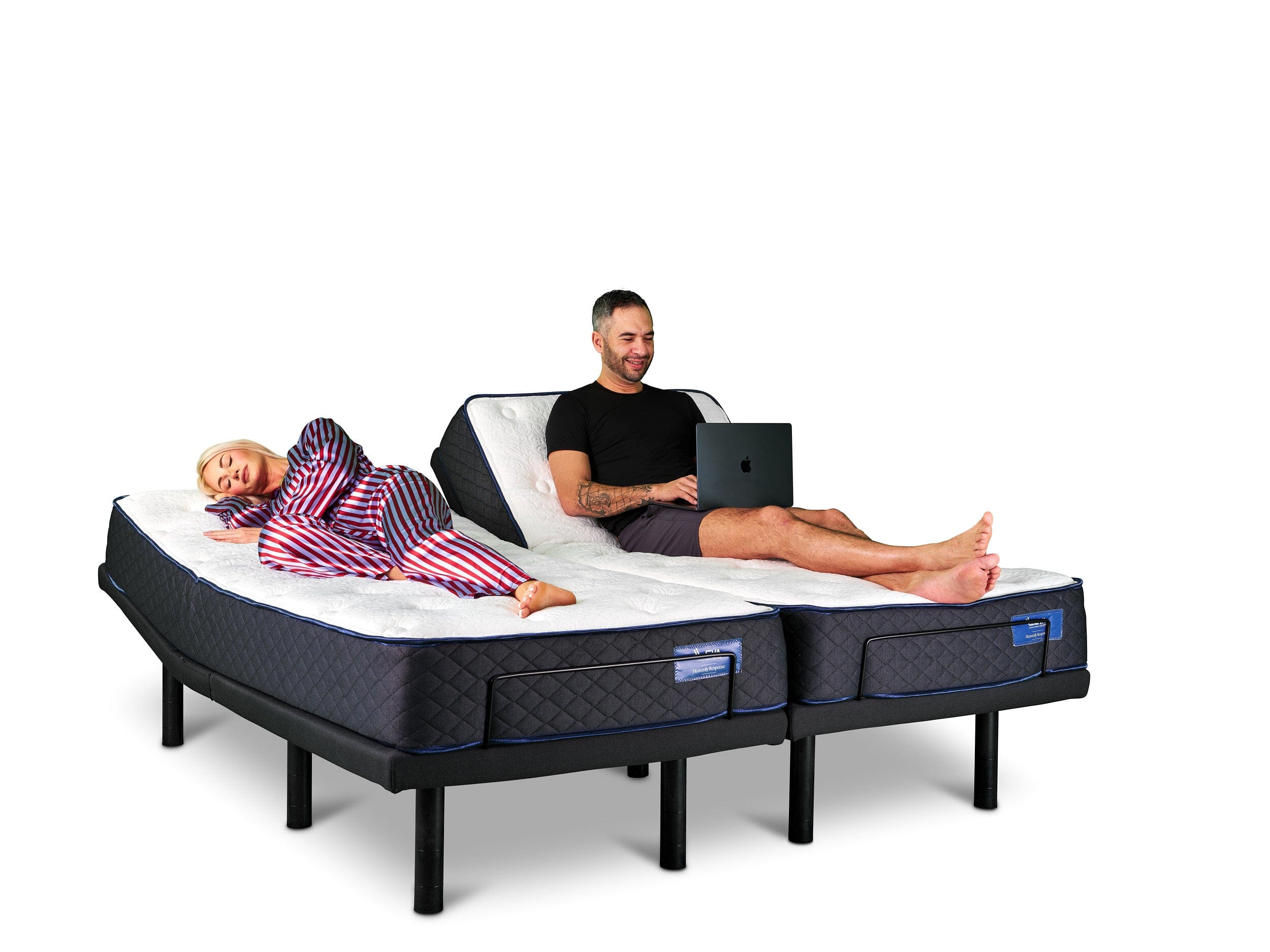
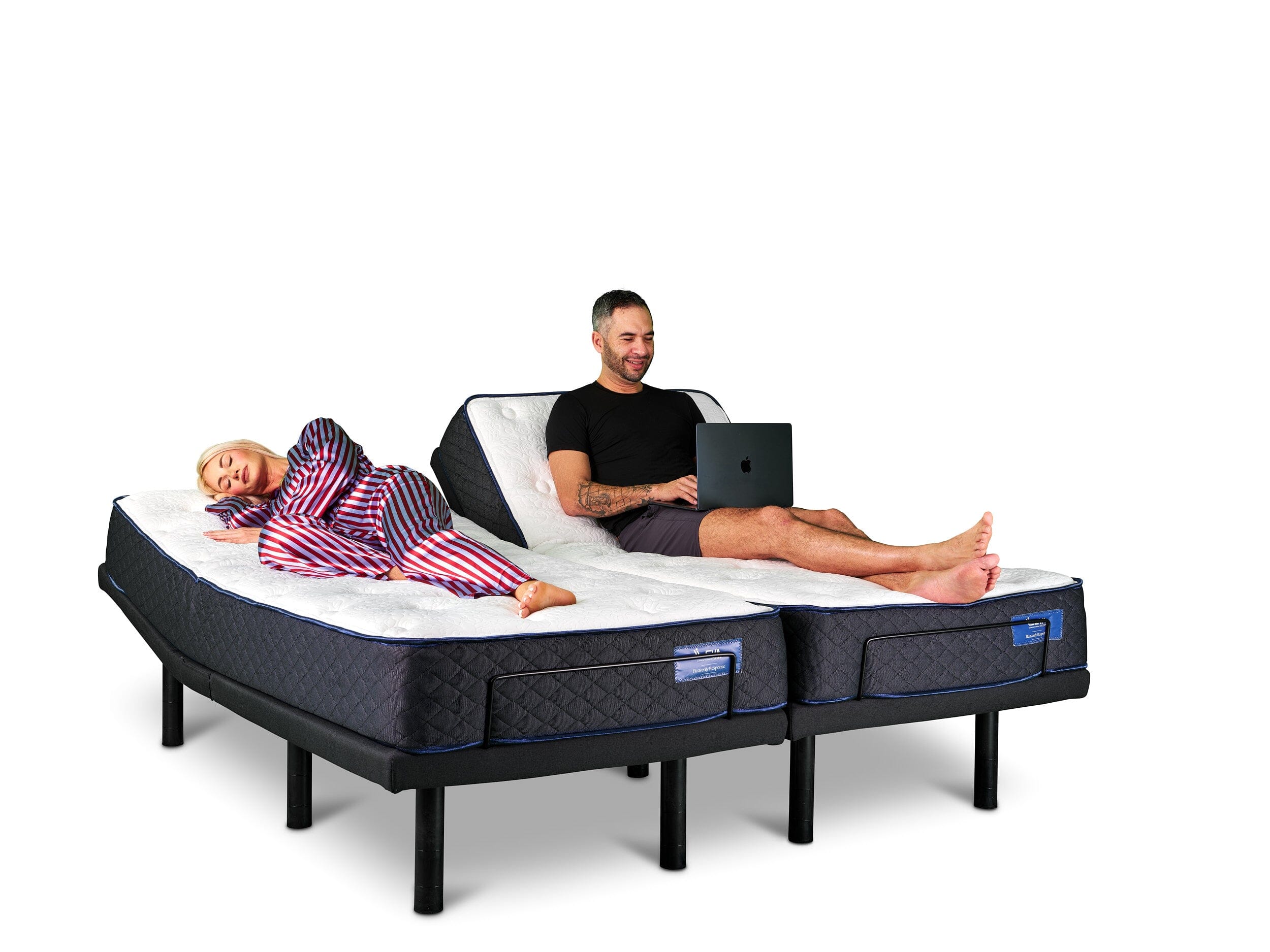
Couples who sleep together but have different needs usually benefit from split designs such as Split Queen or Split King. Each partner controls their own side, so the person who snores can elevate their head while the other maintains a flat or different position. Quiet German motors support smooth adjustments with minimal disturbance.
This level of control allows you to create and save positions that promote freer breathing while still matching your comfort preferences.
Step 4: Implement the Physician-Recommended Elevated Head Technique (20–30 Degrees)
Moderate head elevation often makes a noticeable difference. Use your Leva Sleep remote or app to raise the head section by roughly 20 to 30 degrees so the incline feels natural, not upright.
This position helps counter gravity’s effect on the tongue and soft palate so the airway stays more open. Many people find that breathing feels smoother and quieter with a slight incline.
You can fine-tune the angle over several nights, paying attention to comfort and your partner’s feedback about snoring volume and frequency.
Step 5: Leverage Leva Sleep’s Upcoming Anti-Snore Mode for Automated Relief
Leva Sleep plans to introduce an anti-snore mode in spring 2026. This feature will use snoring detection to trigger small, quiet head adjustments when snoring appears.
The system will nudge the airway into a more open position without large movements or alarms, which supports uninterrupted sleep. Automated head elevation works as an extension of positional therapy, especially for people who change position frequently overnight.
Leva Sleep support can help you set sensitivity levels and address partner concerns so both sides of the bed remain comfortable.
Beyond Positioning: Optimizing Your Anti-Snoring Strategy with Leva Sleep Accessories
Supportive pillows and bedding help your adjustable bed work more effectively. Proper accessories keep your head, neck, and spine aligned while the bed moves.
Well-fitted sheets and duvets also matter. They prevent bunching or slipping that can wake you or push you out of the ideal position.
Step 6: Select Anti-Snore Specific Pillows for Enhanced Support
Pillows should match both your body and your new sleeping angle. Leva Sleep pillows are designed to work with elevated positions so your neck does not bend too far forward or backward.
Very thick pillows can cause excessive neck flexion when the head of the bed is raised, which may worsen airway narrowing. A well-chosen pillow supports the natural curve of the neck while the adjustable base maintains head elevation.
This combination can make it easier to stay comfortable in positions that promote quieter breathing.
Step 7: Optimize Your Bedding for Adjustable Comfort and Functionality
Bedding that stays in place supports consistent therapy. Leva Sleep bedding uses deep pockets, strong elastic, and duvet clips to accommodate frequent adjustments.
Standard sheets can pull off corners or drag the duvet toward the foot of the bed when you raise the head or foot. A tailored bedding set reduces these issues, so you do not need to constantly re-tuck or rearrange fabric during the night.
Measuring Success and Advanced Tips for Lasting Snoring Relief
Clear feedback helps you refine your plan over time. Partners often notice changes in loudness and frequency first, and simple tracking tools can add more detail.
Step 8: Monitor Your Sleep Environment and Adjust as Needed
Many sleep apps now record snoring episodes and overall sleep quality. These tools can show whether a new elevation angle or pillow reduces snoring over several nights.
Use this information to adjust variables such as:
- Head elevation angle
- Pillow height or firmness
- Bedroom temperature and humidity
Short notes about what you changed and how you felt the next day create a practical record. Over time, you can identify the combination that provides the quietest and most restorative sleep.
Advanced Tips and Next Steps for Comprehensive Snoring Management
Targeted exercises can strengthen airway muscles. Oropharyngeal or myofunctional therapy helps the tongue and soft palate maintain better tone during sleep.
When lifestyle changes and positional therapy are not enough, your doctor may suggest additional tools. Custom oral appliances that bring the lower jaw slightly forward can further reduce snoring for some people.
Leva Sleep adjustable beds complement these options by providing a stable, configurable sleep surface that can match specific medical instructions.
Physician-Recommended Snoring Solutions: Frequently Asked Questions
Can an adjustable bed completely cure snoring?
An adjustable bed can significantly reduce snoring for many people by improving head and body position, but it may not address every cause. The best results usually come from combining positional changes with medical evaluation and lifestyle adjustments such as weight management and alcohol reduction.
Are adjustable beds a physician-recommended solution for snoring?
Many physicians recommend head elevation and side sleeping for primary snoring and some forms of mild sleep apnea. Adjustable beds make these recommendations easier to follow by offering controlled, repeatable positioning that is difficult to achieve with standard pillows alone.
What if I have sleep apnea in addition to snoring?
Sleep apnea requires assessment and treatment from a healthcare provider. CPAP therapy, oral appliances, or other interventions may be necessary. An adjustable bed can still play a supporting role by promoting more open airway positions, but it should fit into a plan supervised by your doctor.
How does Leva Sleep’s Anti-Snore Mode compare to other snoring solutions?
Leva Sleep’s planned Anti-Snore Mode will provide automated positional adjustments in response to snoring sounds. Unlike masks or mouthpieces, this approach relies on small bed movements that aim to improve airflow while you continue sleeping in your own bed, next to your partner.
Will the adjustable bed work for both partners if only one snores?
Split Leva Sleep models such as Split Queen and Split King allow each side to move independently. The partner who snores can use head elevation or anti-snore settings, while the other partner chooses a preferred position. Quiet motors help keep adjustments discreet.
Reclaim Quiet, Restful Nights with Leva Sleep’s Physician-Recommended Snoring Solutions
Snoring relief usually requires a combination of medical guidance, lifestyle changes, and consistent positioning. When you address factors such as weight, alcohol near bedtime, and sleep posture, you often see meaningful improvements in both snoring and daytime energy.
Leva Sleep adjustable beds and accessories give Canadian couples practical tools to follow physician-recommended strategies in one shared bed. Controlled head elevation, split configurations, and upcoming automated anti-snore features support quieter nights and more restorative sleep for both partners.