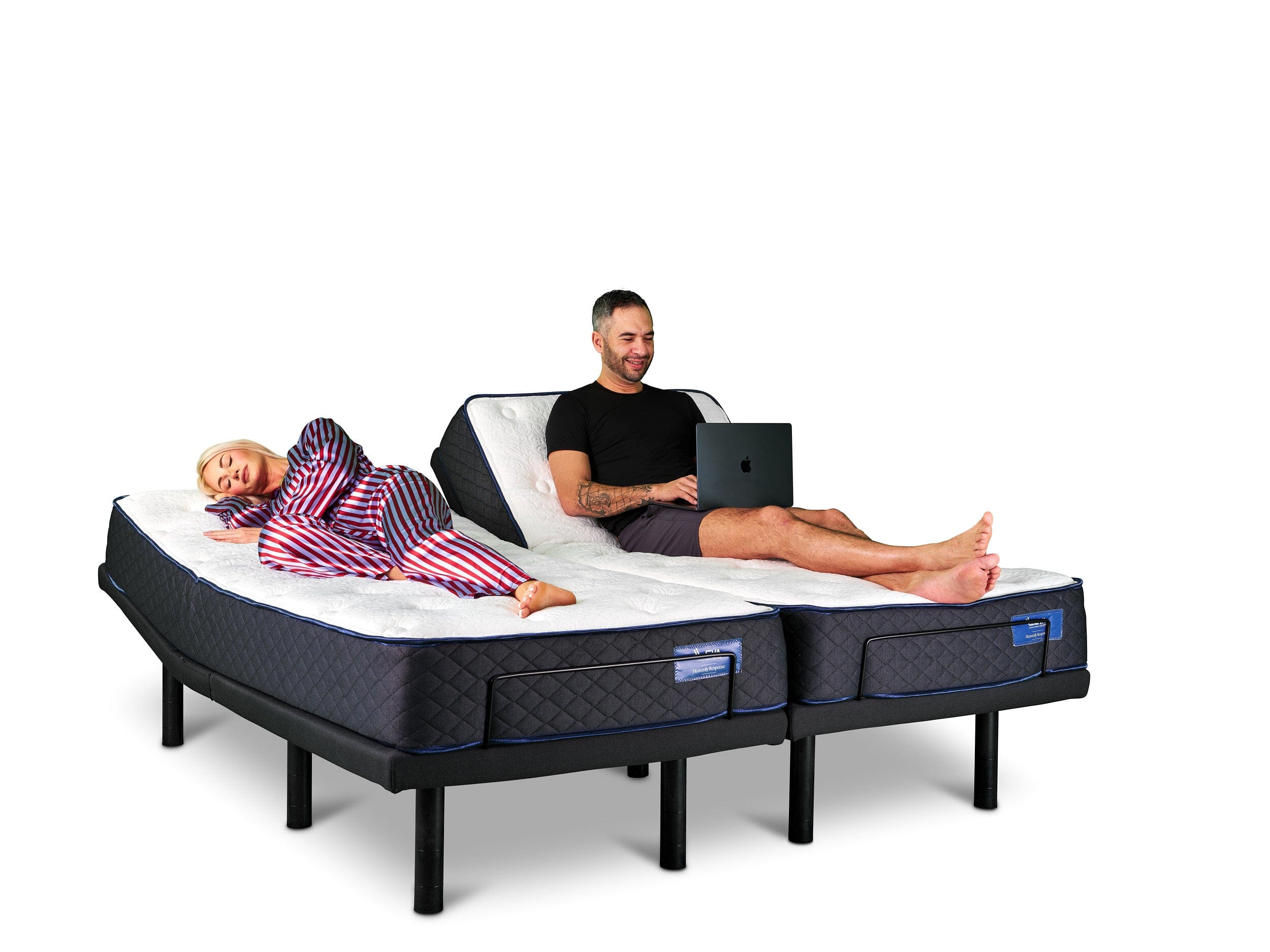
Hey there, Canadian couples! If you’re struggling to get a good night’s sleep, you’re not alone. Many of us deal with snoring, discomfort, or differing sleep preferences that can strain both health and relationships. Combining positional pillows with adjustable beds offers a practical way to tackle these issues, helping you customize your sleep setup for better rest and connection.
This guide breaks down how positional pillows can enhance adjustable beds, addressing common sleep challenges for couples. With nearly half of Canadians facing sleep troubles, finding a solution that works for both partners is more important than ever. Let’s dive into how this combo can improve your nights.
Want to elevate your sleep experience? Explore Leva Sleep’s adjustable bed packages and see the difference a tailored sleep system can make for you and your partner.
Why Canadian Couples Benefit from Combined Sleep Solutions
Sleep Challenges in Canada: What Couples Face
Sleep issues are common across Canada, and they often hit couples hardest. About half of Canadian adults struggle to sleep, with over 80% not feeling rested. This can affect both your health and your relationship when you share a bed.
The numbers are eye-opening. Only around 35% of Canadians get the recommended 7 to 9 hours of sleep on weekdays, and 76% have trouble falling asleep at least a couple of nights a week. For couples, challenges like snoring, differing temperature needs, or conditions such as sleep apnea and pain make things even tougher.
Women often face extra hurdles, with 23.1% reporting sleep disturbances compared to 14.8% of men. Hormonal shifts, pregnancy, or caregiving duties can create unique sleep needs, making adaptable solutions essential for couples.
How Positional Pillows Enhance Adjustable Beds
Adjustable beds are a step up from flat mattresses, but they work best when paired with the right positional pillows. These pillows fill the gap between the bed’s adjustments and your body’s specific needs, offering targeted support for better comfort.
The benefit lies in fine-tuned customization. An adjustable bed can lift your head to ease snoring, while a cervical pillow keeps your neck aligned in that position. If the bed supports your lower back, a body pillow can add extra relief to pressure points, ensuring proper posture in any position.
For couples, this pairing is key. Satisfaction with your sleep surface ties directly to rest quality. Positional pillows let each partner adjust their side of the shared bed, maintaining closeness without sacrificing individual comfort.
Types of Positional Pillows and How They Work with Adjustable Beds
Cervical and Contour Pillows: Keep Your Neck Aligned
Cervical and contour pillows focus on supporting the natural curve of your neck, especially when your adjustable bed raises your head. Unlike regular pillows that can strain your neck at certain angles, these are shaped to prevent discomfort during elevation.
With a dip for your head and raised edges for neck support, they ensure spinal alignment at various bed angles. This is great for couples where one needs head elevation for health reasons while the other prefers lying flat, allowing each to adjust without morning aches.
Memory foam options adapt to your body heat, molding for custom support. This helps couples with different temperature preferences, as the pillow adjusts to each person without impacting the other.
Wedge Pillows: Help with Snoring, Reflux, and Leg Comfort
Wedge pillows add a gentle slope to enhance your adjustable bed’s elevation. They work well for specific needs like reducing snoring, easing acid reflux, or supporting legs, complementing the bed’s built-in features.
For snoring, they team up with the bed’s anti-snore settings to keep airways open by maintaining upper body position. This dual action often works better than either option alone, benefiting both partners by cutting down on noise.
They also aid with acid reflux by combining with the bed’s consistent incline to stop stomach acid from rising. Unlike stacking regular pillows, this setup stays stable. For leg support, wedges under knees or calves boost circulation with the bed’s foot tilt, perfect if only one partner needs elevation.
Body Pillows: Full Support for Side Sleepers
Body pillows offer full-length support, ideal for side sleepers or those needing relief across multiple areas. They pair with adjustable beds to maintain alignment, no matter the position, creating a cozy, supportive feel.
Side sleepers often deal with hip and shoulder pressure, but these pillows spread the load when the bed is angled. During pregnancy, they support side sleeping while the bed eases heartburn or breathing issues, minimizing disruption for both partners.
They’re versatile too. One partner might use it for knee support, while the other props it for back comfort during reading. This flexibility means both can customize without needing separate spaces.
Lumbar Support Pillows: Target Lower Back Comfort
Lumbar pillows focus on lower back support, filling the spine’s natural curve alongside your bed’s lumbar adjustments. They’re especially useful if you spend time sitting up in bed for reading or work.
For couples with different routines, these pillows let each adjust support for specific activities without affecting the other. If one deals with chronic back pain, they add targeted relief while the bed lifts knees to ease pressure, maintaining proper posture.
Being portable, they can shift or be removed as needed, offering flexibility unlike fixed bed features. This ensures both partners get tailored support without permanent changes to the setup.
Anti-Snore Pillows: Tackle Snoring Together
Anti-snore pillows are built to reduce snoring by encouraging side sleeping and keeping airways open. Paired with adjustable beds that detect and adjust for snoring, they create a strong combined effect.
Their contoured design nudges you off your back, where snoring often happens, while bed elevation fine-tunes head position. This approach usually cuts snoring more effectively than a single method.
For couples, these pillows minimize disruption. The snoring partner gets specialized support, while the other maintains their preferred setup, reducing compromise and enhancing rest for both.
Pairing Positional Pillows with Leva Sleep Adjustable Beds
Custom Comfort for Couples with Split Beds
Leva Sleep’s Split King and Split Queen beds allow each partner to control their side independently. Add positional pillows, and you’ve got a setup that meets individual needs while keeping you close.
One partner can raise their head with a cervical pillow for neck support, while the other stays flat with a body pillow for side sleeping. Separate controls ensure these setups don’t clash, avoiding typical trade-offs.
Quiet motors mean adjustments won’t wake anyone up, even with pillow repositioning. App controls let you save favorite bed and pillow combos, making it simple to switch back after other activities.
Ready for personalized sleep? Check out Leva Sleep’s adjustable bed packages and build your perfect sleep haven.
Boost Health Benefits as a Team
Combining positional pillows with Leva Sleep beds tackles common health concerns for couples, often working better than addressing issues separately. Here’s how they help together:
- Snoring: The bed’s anti-snore mode adjusts head tilt while pillows keep airways open, often reducing noise completely for peaceful nights.
- Acid Reflux: Precise elevation from the bed, paired with wedge pillows, prevents acid rise without affecting the other partner.
- Chronic Pain: Lumbar and body pillows target specific pain spots with the bed’s adjustments, allowing each to ease discomfort independently.
- Sleep Apnea: While not a cure, elevated positions and contour pillows aid mild cases or CPAP use, improving comfort and mask fit.
Leva Sleep Extras for Better Integration
Leva Sleep goes beyond beds with accessories made for positional pillows and adjustable setups, ensuring everything works smoothly together.
Deep-pocket sheets stay put despite adjustments or bulky pillows. Duvet clips maintain separate zones for different positions. Remote pockets in pillowcases keep controls handy without discomfort. Flexible mattress protectors handle frequent changes, keeping your setup hygienic and comfortable.
Finding the Right Positional Pillows for Your Bed
Understand Your Sleep Needs First
Start by figuring out what each of you needs from sleep. Track issues like snoring, pain, or restlessness over a couple of weeks to spot patterns. Consider health conditions, sleeping positions, and temperature preferences to guide pillow choices.
Pick the Best Pillow Materials
Material affects a pillow’s feel and durability with adjustable beds. Memory foam molds to you but can trap heat. Latex bounces back quickly and stays cooler. Down alternatives are adjustable and budget-friendly. Hybrids mix benefits, like foam with gel for cooling. Think about upkeep too, as some materials clean easier than others.
Match Pillows to Bed Features
Make sure pillows suit your bed’s range of motion. Thick ones might hinder elevation; overly soft ones could lose support. Shapes like contours pair well with tilt features, while wedges enhance leg or head lift. Check how covers interact with bed linens to avoid slipping or pulling.
Quick Guide to Pillow Types and Bed Positions
|
Pillow Type |
Best Bed Position |
Couple Benefit |
Health Uses |
|
Cervical/Contour |
Head/Neck Lift |
Aligns Spine, Eases Neck Pain |
Neck Pain, Headaches, Apnea Aid |
|
Wedge |
Head/Leg Lift |
Cuts Snoring, Helps Reflux |
GERD, Snoring, Circulation |
|
Body |
Side or Mixed Positions |
Joint Relief, Shared Ease |
Pregnancy, Hip Pain |
|
Lumbar |
Sitting or Reading |
Back Pain Relief |
Lower Back Issues, Sitting Comfort |
Ready to match your ideal setup? Browse Leva Sleep’s adjustable bed packages to customize sleep for both of you.
Common Mistakes to Avoid with Positional Pillows
Using Too Many Pillows
Adding too many pillows can backfire, messing with bed adjustments and alignment. Start with one pillow for your main issue, test it for a few weeks, and only add more if needed. This keeps the bed’s features working as intended.
Overlooking Your Partner’s Needs
Focusing only on your comfort can disrupt your partner. Large pillows might take up shared space or affect airflow and temperature. Check in regularly to balance individual needs with couple harmony.
Skimping on Pillow Quality
Cheap pillows wear out fast under constant adjusting. Look for durable materials with certifications like CertiPUR-US for foam, sturdy seams, and solid warranties. Quality saves money long-term and maintains support.
Assess Your Sleep Setup Before Adding Pillows
Take stock of your current sleep space. Log issues and underused bed features for a couple of weeks. Factor in bedroom space, storage, budget, and time to adapt. Gradual changes help ensure lasting success for both partners.
Common Questions About Positional Pillows and Adjustable Beds
Do Positional Pillows Help Snoring with Adjustable Beds?
Absolutely, pairing these pillows with adjustable beds cuts snoring effectively. The bed adjusts head tilt to open airways, while pillows maintain position or encourage side sleeping, tackling noise from multiple angles without disrupting the other partner.
How Do We Choose Pillows with Different Needs?
Leva Sleep’s split beds let each side adjust independently. Assess your specific issues, like neck pain or reflux, and pick pillows accordingly. Test combos to avoid interference, keeping communication open to fine-tune the setup.
Does Regular Bedding Work with These Setups?
Standard bedding often fails with adjustable beds and pillows, slipping or bunching up. Leva Sleep offers deep-pocket sheets, duvet clips, and shaped pillowcases to keep everything secure and comfortable, no matter the position.
Are Positional Pillows Medical Devices?
No, they’re not classified as medical devices, but they support conditions like pain or apnea as part of broader care plans. They enhance comfort alongside treatments like CPAP, not replace them. Always check with your doctor.
How Long Until We Adjust to This Setup?
Expect 1 to 4 weeks to get used to new pillows and bed settings. Start slow, keep consistent schedules, and track progress. With patience, most couples see benefits quickly and fully settle in within a month.
Wrap-Up: Build Your Sleep Haven with Leva Sleep
Positional pillows and adjustable beds together aren’t just about comfort, they’re a smart way to boost health and strengthen your bond as a couple. Improving your sleep environment is vital for well-being. Leva Sleep’s split beds and tailored pillows let you address personal needs without losing the closeness of shared rest.
This approach cuts out compromise. Unlike typical solutions that force tough choices, this system supports both of you at once. Ready to refresh your nights? Visit Leva Sleep’s adjustable bed packages and start your journey to better sleep and stronger connection now.