Irregular sleep affects countless Canadian couples, disrupting more than just their mornings. It can weaken immune systems, strain relationships, and impact overall well-being. This guide explains why consistent sleep matters, explores the science behind it, and offers practical steps to achieve it. For couples with different sleep needs or shared challenges, we’ll show how solutions like Leva Sleep’s adjustable beds can help create a better sleep environment.
Why Consistent Sleep Matters for Your Health and Relationship
The Real Benefits of Regular Sleep
Consistent sleep does more than leave you feeling rested; it directly supports your long-term health. Canadian adults with irregular sleep face a much higher risk of chronic depression, diabetes, and cardiovascular issues compared to those with steady, quality rest. Sticking to a regular sleep pattern is a vital step toward protecting your physical and mental health.
For couples, steady sleep also strengthens your bond. When both partners rest well, handling stress, communicating clearly, and staying emotionally connected becomes easier. Good sleep and physical activity reinforce each other, boosting energy for shared time and daily routines. This creates a cycle of better rest and stronger togetherness.
Cognitive gains are another key advantage. A regular sleep schedule sharpens memory, especially for recalling life events in order. Couples benefit by remembering shared moments and important talks more clearly, deepening their connection.
Even one night of quality sleep can have a lasting effect. It can preserve detailed memories for over a year, supporting day-to-day mental clarity. Couples who prioritize steady rest often feel more in sync emotionally.
Common Sleep Struggles for Canadians
Many Canadian couples find consistent sleep hard to achieve due to modern challenges. Nearly half of Canadians report sleep difficulties, pointing to a widespread need for practical changes in daily habits and environments. This affects millions, often spilling over to partners and relationships.
Income and lifestyle play a role too. Higher-income Canadians are more likely to get enough sleep, showing how financial stability ties to rest. While they may afford better tools, they also face stress from demanding jobs and busy schedules.
Technology adds another layer of difficulty. Late-night screen time, erratic work hours, and constant digital connection disrupt natural sleep cycles. For couples, mismatched schedules or stress levels can make unwinding together even tougher.
Canada’s climate and seasonal shifts further complicate things. Long winters and temperature swings can throw off sleep patterns, while seasonal mood changes might alter rest needs for one or both partners.
Explore Leva Sleep’s adjustable beds to build a sleep space that adapts to these challenges, helping both partners maintain consistency no matter the circumstances.
Understanding Your Body’s Sleep Clock: The Science of Circadian Rhythm
How Your Internal Clock Works
Your circadian rhythm acts as your body’s internal timer, managing hormone levels and temperature over a 24-hour cycle. Aligning your sleep with this rhythm by keeping consistent bedtimes and wake-up times, ideally before midnight, enhances rest and energy. Light exposure and daily habits are critical to this process.
For couples, syncing rhythms can be tricky since natural sleep-wake preferences often differ. One partner might be an early riser while the other stays up late. Still, shared routines and environmental cues can help align schedules over time.
Light is the biggest influencer. Your brain reacts to it by adjusting melatonin, the sleep hormone, based on darkness or brightness. Couples can benefit by dimming lights together at night and getting morning light at the same time to reinforce their cycles.
Temperature also shifts with your rhythm, dropping at night to signal sleep readiness. Adjustable beds can help couples manage individual temperature needs while supporting this natural process.
Your Brain’s Role in Steady Sleep
Your brain does crucial work during consistent sleep beyond just resting. Sleep actively sorts and stores memories, boosting mental sharpness and emotional awareness in relationships. This process keeps your mind clear and focused.
In deep sleep, the brain clears waste, strengthens memory pathways, and processes the day’s learning. For couples, this supports emotional balance and the ability to handle relationship moments with care.
The glymphatic system, active during sleep, cleans out toxins built up while awake. Inconsistent rest weakens this function, potentially causing mental sluggishness and less patience in daily interactions.
REM sleep, more prominent later at night, aids in processing emotions and solving problems creatively. Couples with regular schedules get enough REM sleep, improving how they manage feelings and resolve issues together.
Rethinking What Quality Sleep Means
The old idea of needing exactly eight hours of sleep is shifting toward a focus on consistency and quality. Older adults often feel rested with slightly less sleep if it’s consistent and high-quality, showing hours alone aren’t the full story.
For couples, this means less worry about matching sleep durations. One partner might need seven hours while the other needs eight and a half. Focusing on similar bedtimes and wake-up times keeps routines aligned without stress.
Sleep efficiency, or the time spent actually asleep while in bed, often matters more than total hours. Couples who tackle disturbances like snoring or temperature differences can rest better in less time.
Sleep debt isn’t easily fixed with extra weekend sleep. Chronic irregularity builds up effects that “catching up” can’t erase, underlining the need for daily consistency over sporadic long rests.
Overcoming Sleep Hurdles: Practical Tips for Canadian Couples
Specific Sleep Issues in Canada
Canadian couples deal with unique sleep barriers beyond everyday stress. Women often face sleep disruptions from hormonal changes like menstruation, pregnancy, or menopause, leading to uneven rest compared to men. This can affect both partners’ sleep quality.
These disruptions carry broader consequences. Shorter sleep in women connects to worse overall health and higher frailty risks across life stages. Adaptable sleep setups are essential to meet changing needs over time.
Income and lifestyle add further challenges. Factors like age, financial status, and life stage shape sleep patterns, calling for personalized approaches for couples. Higher earners might deal with intense work demands, even if they can access better tools.
Geography plays a part too. Extreme seasonal light changes, especially in northern areas, can disrupt natural rhythms. Couples in regions like Alberta need strategies to keep sleep steady despite environmental shifts.
Canada’s healthcare system, while supportive, often has long wait times for sleep specialists. This makes proactive steps and personal investments in sleep solutions critical for couples.
Building a Shared Sleep Plan
A strong shared sleep strategy goes beyond compromise to truly benefit both partners. Even with different schedules, shared rituals like device-free wind-downs or matched lighting can maintain closeness and routine. Small alignments make a big difference.
Focus on core sleep habits you both agree on, like a set room temperature, while allowing flexibility for personal preferences. One partner might read while the other meditates, but a shared “no devices” time can unite your evening.
Honest communication is key. Discuss sleep needs, from snoring to temperature preferences, without blame. Addressing these openly prevents frustration and keeps you sleeping together comfortably.
Setting an earlier bedtime can lift your mood. Earlier rest benefits mental health across all sleep types, improving well-being and relationship satisfaction. Consistent routines around bedtime amplify these gains.
Check out Leva Sleep’s adjustable beds to customize your sleep space, meeting individual needs while keeping you close as a couple.
|
Feature Category |
Traditional Flat Bed Experience |
Leva Sleep Adjustable Bed Experience |
|
Personalization |
Limited; one setting for both |
Independent control for each partner via Split King/Queen |
|
Comfort |
Static pressure points, less adaptability |
Lumbar support, pillow tilt, adjustable firmness options |
|
Health Benefits |
Can worsen snoring, pain, reflux |
Anti-snore mode, elevated positions for sleep apnea/pain relief |
|
Relationship Harmony |
Compromise or separate beds due to differing needs |
Both partners sleep optimally in the same bed, reduced disturbances |
|
Technology Integration |
Minimal |
Smart features, app control, AI diagnostics, temperature regulation |
Leva Sleep: Helping Couples Sleep Better Together
Leva Sleep offers adjustable beds designed to meet the unique sleep needs of Canadian couples. With thoughtful engineering, these beds allow both partners to rest well without needing separate spaces, supporting consistent and refreshing sleep.
Custom Comfort for Each Partner
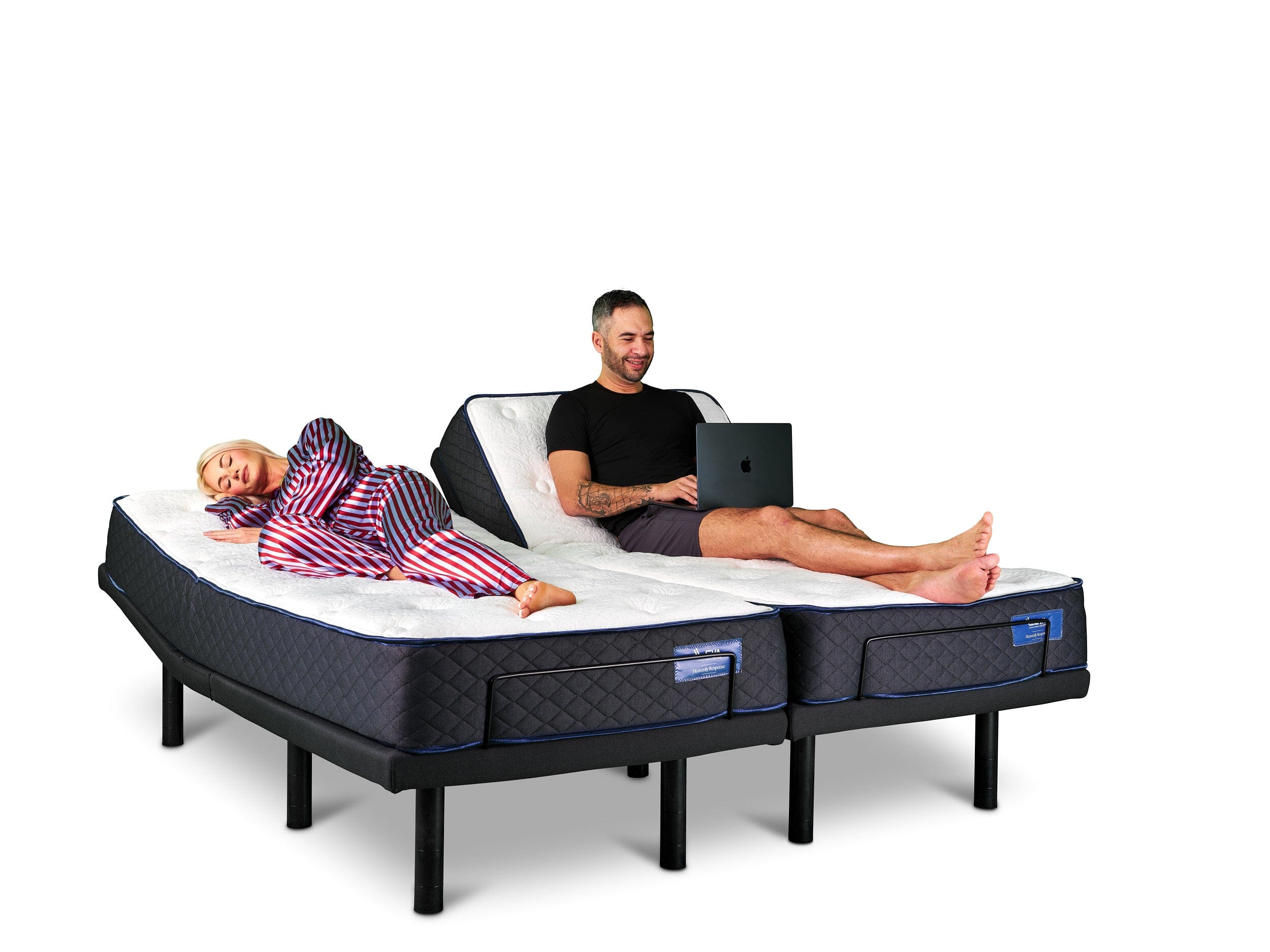
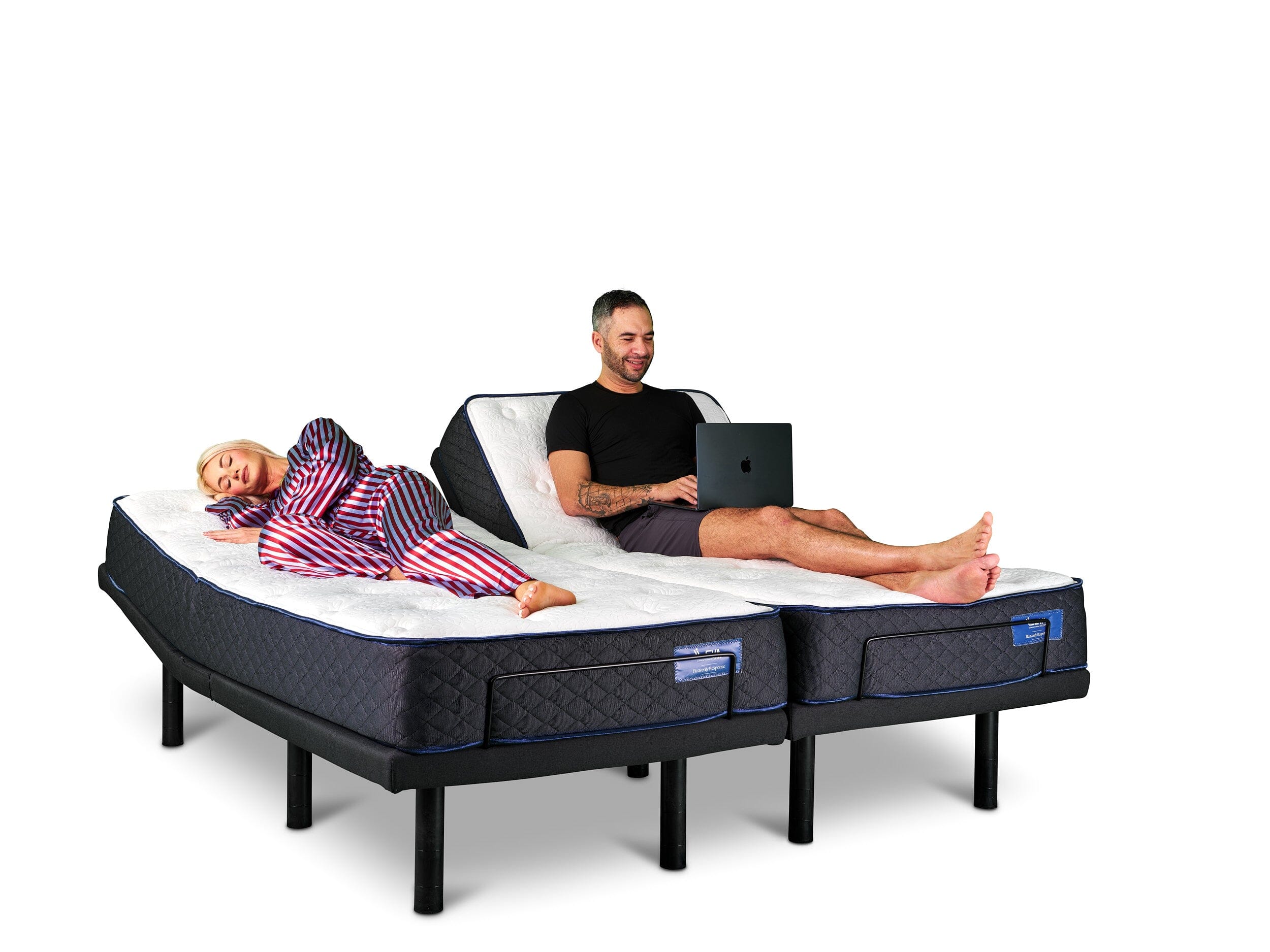
Leva Sleep understands that couples often have different sleep preferences. Their Split King and Split Queen beds provide separate controls, so each partner can adjust their side without disturbing the other. This setup prioritizes personal comfort in a shared space.
Quiet German motors ensure adjustments happen without noise, a common issue with older adjustable beds. Each side offers options for head and foot elevation, lumbar support, and massage settings, fitting individual health or comfort needs.
The Leva Sleep app adds convenience, letting you save preferred positions, set silent vibrating alarms for one partner, or use anti-snore mode to minimize disruptions. Solving one person’s sleep issue doesn’t create new ones for the other.
Features like lumbar control and pillow tilt address specific needs, such as head elevation for sleep apnea or reflux, while allowing the other partner to sleep flat. This flexibility prevents the need to compromise.
Smart sleep tools are shaping the future. AI diagnostics and adjustable beds align closely with personal sleep patterns, ideal for couples with varied needs. Leva Sleep incorporates these advances effectively.
The system also includes AI sleep tracking and temperature-regulating pads. Upcoming trends point to blending personal data with bed controls for tailored comfort and consistency. These tools refine your rest over time.
Improving Your Entire Sleep Setup
Leva Sleep goes beyond just the bed base to enhance every aspect of rest. Their mattresses, available in foam or hybrid styles, pair with adjustable bases to maintain support at any angle, ensuring lasting comfort.
Bedding and accessories are designed for ease. Fitted sheets with deep pockets stay secure during adjustments, duvet clips keep covers in place, and pillows support proper alignment. These details eliminate common annoyances for couples.
White-glove delivery and setup add value. Professionals bring the bed to your room, assemble it, adjust heights, explain features, and remove your old bed. This lets you focus on enjoying better sleep right away.
By managing production directly, Leva Sleep keeps quality high and prices 30 to 50 percent lower than similar options. This makes advanced sleep technology more accessible to Canadian couples.
Visit Leva Sleep to see how a complete sleep system can improve rest and connection for you and your partner.
Avoiding Common Sleep Mistakes for Couples
Frequent Errors to Watch For
Many couples try to improve sleep with good intentions but make choices that hinder progress. Recognizing these pitfalls can guide you toward better decisions for rest and relationship health.
One error is obsessing over sleep duration while ignoring timing and quality. Fixating on eight hours can cause stress if unmet, missing the bigger goal of steady schedules and effective rest.
Trying a one-size-fits-all approach often fails. Forcing the same sleep times or settings ignores natural differences in sleep needs or health conditions. Sleep varies across demographics in Canada, showing the need to factor in income, roles, and environments.
Ignoring gender-specific needs is another issue. Hormonal changes or life stages can create distinct sleep challenges, and overlooking these can lead to frustration instead of solutions.
Neglecting the sleep environment also holds couples back. Stick to a fixed wake-up time, cut screen time at night, avoid late caffeine, and keep the bedroom dark and quiet for better rest. Missing even one of these limits success.
Treating only symptoms, like using noise machines for snoring instead of addressing causes with positioning, offers short-term fixes but not lasting improvement. Root issues need attention.
Finally, expecting instant results from new habits sets couples up for disappointment. Gradual changes and patience are essential to build routines that stick and improve sleep over time.
Frequently Asked Questions About Sleep for Couples
How Does Consistent Sleep Boost Memory and Thinking Skills?
A regular sleep schedule strengthens your brain’s ability to store and organize memories, especially for recalling events in sequence. This active process builds sharper thinking and better recall, helping couples remember shared moments and solve issues together. Sleep transfers daily experiences to long-term storage, linking them with past knowledge for richer memory. This supports clearer decisions and emotional ties through stronger shared understanding.
What Unique Sleep Challenges Do Canadian Women Face?
Canadian women often experience sleep inconsistency due to hormonal shifts during menstruation, pregnancy, or menopause. These changes can disrupt rest timing and quality, sometimes raising health risks. Recognizing these as physical needs, not just preferences, helps couples choose supportive tools like adjustable positions or temperature controls for different life stages.
Can Adjustable Beds Help Couples With Different Needs Sleep Together?
Yes, Leva Sleep’s Split King and Split Queen beds let each partner adjust their side for comfort or health needs like snoring or pain relief. Quiet motors prevent disturbance, and app controls save settings for ease. This setup keeps couples together in one bed, ensuring both rest well without needing separate spaces.
How Does Technology Support Consistent Sleep for Couples?
Technology offers tailored solutions for shared sleep spaces. Adjustable beds with app control allow quiet, custom changes. AI tracking reveals sleep patterns to spot disruptions. Temperature tools handle personal climate needs. Wearable data integration shows how daily habits affect rest, helping couples make smart choices for their environment without added complexity.
What Daily Habits Improve Sleep Consistency for Couples?
Maintain a fixed wake-up time, limit evening screens, avoid caffeine after midday, and keep the bedroom calm, dark, and quiet. Couples can sync routines with shared wind-down activities, even if sleep times differ slightly. Early exercise, managed light exposure, and consistent pre-sleep habits like reading or talking reinforce rest. Both partners committing to these builds a supportive sleep space.
Final Thoughts: Prioritize Sleep for a Stronger Bond and Health
Consistent sleep stands as a key investment for couples, boosting personal health, mental clarity, and relationship strength. Science confirms that steady, quality rest improves memory, immunity, and connection, making it a foundation for well-being.
Canadian couples face distinct hurdles, from busy lives to seasonal changes and life stages. Achieving regular sleep requires practical tools that respect individual differences while maintaining shared closeness.
Leva Sleep leads with adjustable beds featuring split designs, quiet operation, and smart technology. These allow personal adjustments without losing the benefits of sleeping together, adapting to needs over time.
Better sleep transforms more than just rest. Couples report improved communication, less tension, and deeper emotional ties after prioritizing it. Proactive steps beat accepting poor rest as normal.
As sleep research grows, the value of quality solutions becomes clearer. Leva Sleep’s focus on Canadian craftsmanship and innovation delivers real improvements at a fair cost, not just a product.
You can keep struggling with outdated sleep setups or choose rest that strengthens both health and partnership. With Leva Sleep, individual comfort and togetherness aren’t trade-offs; they’re both possible.
Ready for better nights and stronger days? Shop Leva Sleep adjustable beds now to see how the right sleep system can change your rest and relationship for the better.