Written by: Matthew Timmins, Founder and Managing Director, Leva Sleep
Adjustable beds with a wide range of motion offer more than just comfort. For Canadian couples, they provide practical solutions to health issues, improve sleep quality, and support relationship harmony. Unlike traditional flat beds, modern adjustable bases allow precise positioning with features like lumbar support and pillow tilt, addressing specific needs that affect daily well-being.
This guide breaks down how a broader adjustability range can turn your bedroom into a personalized sleep haven. From fine-tuned adjustments for medical conditions to dual-zone designs for couples, understanding these options helps you choose the right sleep setup. Leva Sleep stands out with innovative beds designed to meet these needs effectively.
What Makes Adjustability Range So Important?
Flat Beds Can’t Keep Up with Modern Needs
Flat beds and basic adjustable bases fail to support the body’s natural alignment, often causing discomfort, poor circulation, and sleep issues. The spine’s curves need tailored positioning that flat surfaces don’t offer, leading to pressure buildup and health concerns over time. For couples with different sleep preferences or conditions like snoring or back pain, these limitations can strain relationships, sometimes even resulting in separate sleeping arrangements.
Basic adjustable beds offer simple head and foot elevation, but they lack the detailed control needed for true customization. Technology in adjustable bases has advanced to include detailed head, foot, pillow tilt, and lumbar adjustments for better personalization. A wide adjustability range allows precise positioning to tackle health issues and comfort needs, helping Canadian couples sleep better together.
Key Features of a Wide Adjustability Range
A full adjustability range combines several features to create a tailored sleep experience. Here are the main elements that make a difference:
- Total Adjustability Degrees: High-end bases offer 60 to 70 degrees of head elevation and 30 to 40 degrees for the feet, supporting medical positioning needs and everyday comfort.
- Dynamic Lumbar Support: This targets the lower back with adjustable control, easing chronic pain by aligning the spine without changing the bed’s overall position.
- Independent Pillow Tilt: Separate adjustment for the head and neck helps with snoring, acid reflux, and neck pain by optimizing airway alignment.
- Precision Micro-Adjustments: Small, incremental changes, often via smartphone apps, allow fine-tuning for joint relief and perfect positioning.
- Zero Gravity Position: Inspired by NASA, this raises knees above heart level, reducing pressure points, boosting circulation, and aiding conditions like sleep apnea.
Ready to improve your sleep with these features? Explore Leva Sleep’s adjustable beds and see the impact of detailed adjustability for Canadian couples.
How Adjustable Bed Tech Is Changing Sleep in Canada
Smart Features and Wellness Focus for Today’s Homes
Adjustable beds have evolved from basic medical tools to smart sleep systems, reflecting tech and wellness trends in Canadian homes. Market growth ties to demand for smart home integration, with remote and app-controlled adjustability gaining popularity. Canadians now actively manage sleep challenges using technology instead of just accepting them.
Smart home features like Bluetooth connectivity, app controls, and voice system compatibility let users set personal sleep profiles and track patterns. Beyond control, these beds offer gradual wake-up adjustments to ease you into the day. Wellness features also play a big role, with AI and IoT in smart bases creating personalized sleep setups based on real-time data, adapting to your needs over time.
In Canada, beds that support couple dynamics are especially valued. Quiet motors, separate zone controls, and automatic anti-snore adjustments ensure one person’s needs don’t disrupt the other, maintaining harmony at home.
Leva Sleep’s Edge with Custom Adjustability
Leva Sleep offers adjustable beds with multi-zone control that go beyond basic elevation. Features like independent lumbar support, pillow tilt, anti-snore detection, and Split Queen designs cater to Canadian couples’ unique needs. This level of customization sets them apart while keeping prices accessible through a direct-to-consumer model.
Understanding household dynamics, Leva Sleep focuses on solutions for couples. Split Queen and Split King setups allow each partner to adjust their side independently, avoiding the choice between personal comfort and sleeping together. With quiet German motors, intuitive app controls, and mattresses built for adjustability, their beds deliver real sleep improvements.
Health and Harmony: Benefits of Adjustable Beds
Proven Health Gains from Better Positioning
A wide adjustability range supports wellness by targeting specific health issues with precise positioning. Adjustable features like lumbar support and pillow tilt directly improve sleep disorders and quality of life. For sleep apnea, head elevation and pillow tilt keep airways open, reducing breathing issues during the night.
Chronic back pain also benefits from dynamic lumbar support, which aligns the spine and eases pressure on the lower back. Zero gravity positioning and leg elevation improve circulation, helping with swelling or conditions like diabetes. For acid reflux, slight head elevation prevents acid from rising, customizable to avoid neck strain. Over time, better sleep health can lower medical costs and improve long-term wellness.
Dual-Zone Designs for Couple Comfort
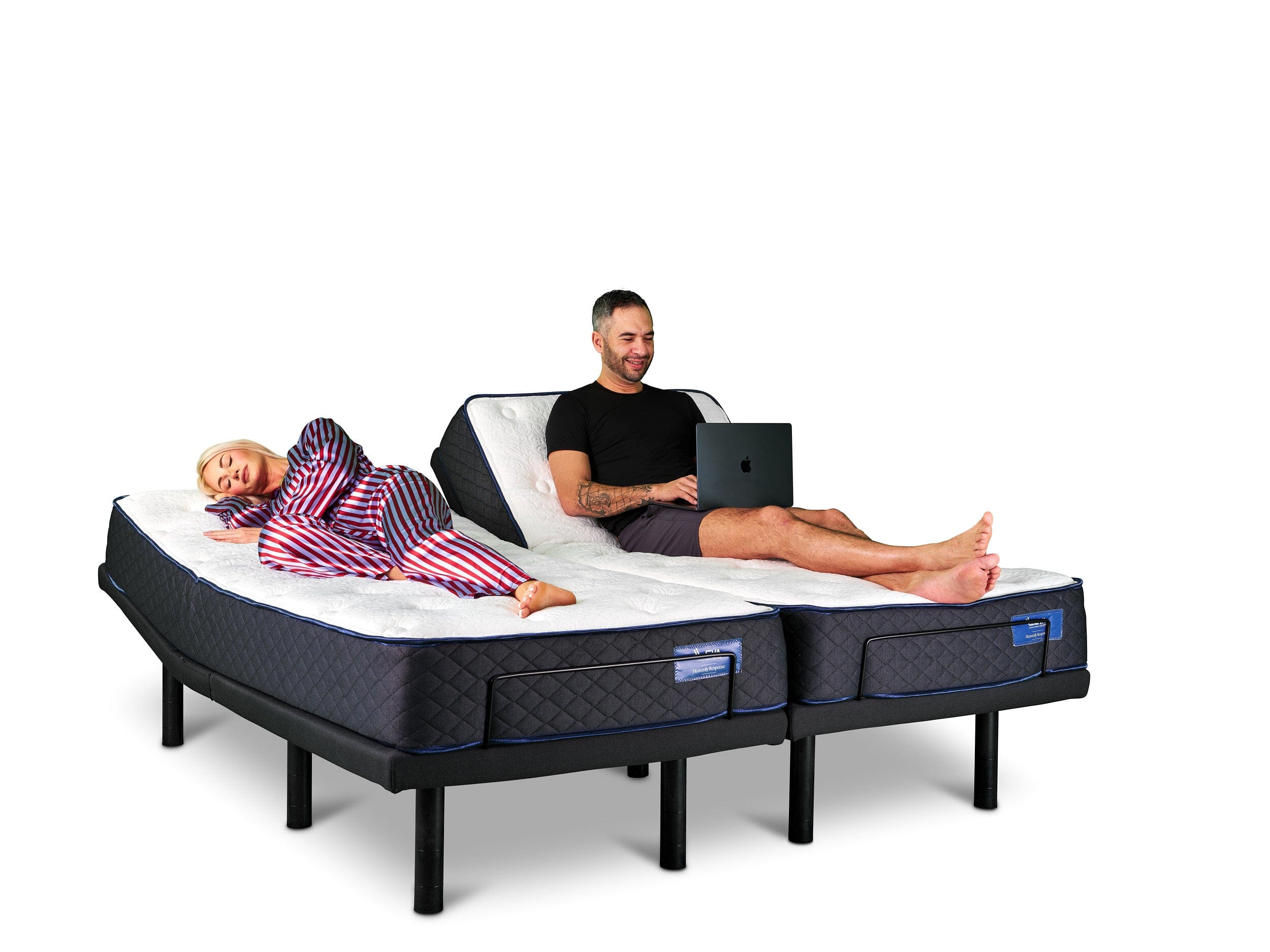
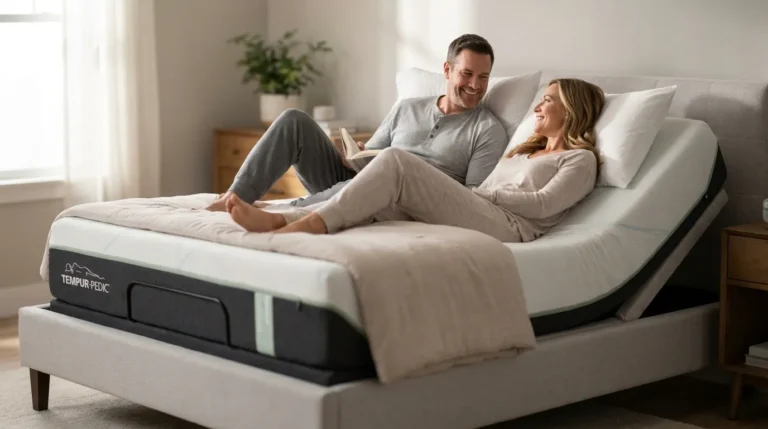
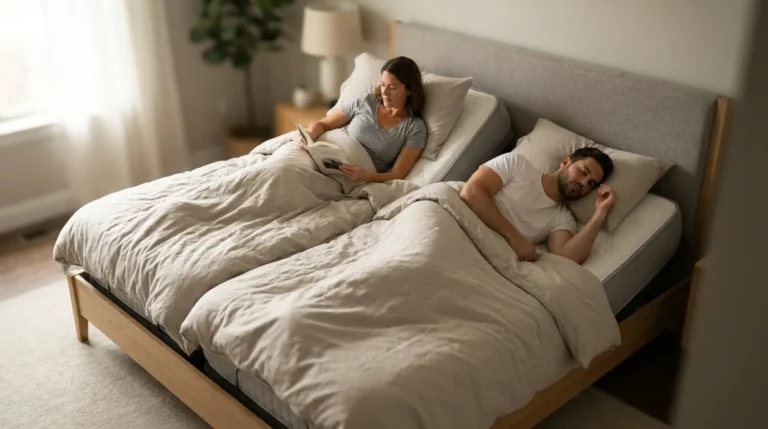
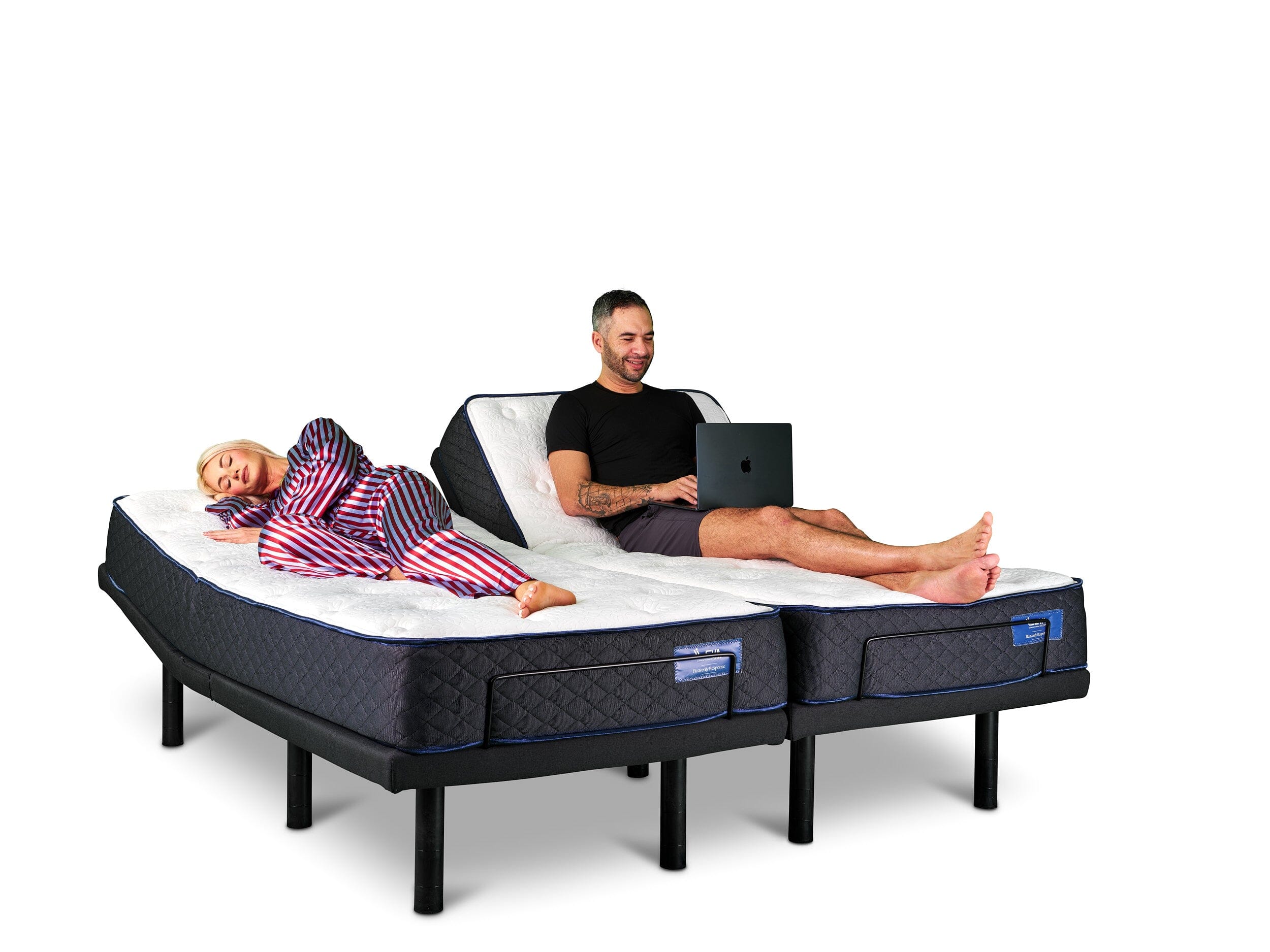
Dual-zone adjustability lets couples personalize their sleep setup without compromise. Separate controls and firmness options meet individual needs, boosting satisfaction for partners. This is key when one needs medical positioning and the other prefers a flat setup, or when snoring and comfort preferences differ.
Beyond physical comfort, these beds help maintain emotional closeness. Couples who once slept apart can reunite with independent adjustments, strengthening their bond. Leva Sleep’s Split Queen option fits smaller Canadian bedrooms while offering full dual-zone control. Anti-snore technology also adjusts head position automatically, tackling snoring without waking the other person.
Choosing Features That Fit Your Budget
Canadian buyers must weigh adjustability features against cost to get the best value. Decisions often involve balancing advanced options like motor quality and smart controls with basic elevation. Lumbar control and pillow tilt add significant benefits for health issues, but might not be necessary for basic comfort needs.
Motor quality matters for long-term use and quiet operation, especially for couples. Higher-end bases with better components last longer and work with more mattresses. Leva Sleep uses German motors for silent adjustments. App integration adds convenience, though it’s worth considering tech comfort levels and support. Premium features often come at a higher price, so weigh health benefits against cost. Lastly, matching mattresses are crucial to ensure all adjustments work as intended.
Leva Sleep: Top Adjustability for Canadian Homes
Designed for Real Sleep Challenges
Leva Sleep’s adjustable beds combine thoughtful design with advanced features tailored to Canadian needs. Independent lumbar control targets lower back pain, while pillow tilt adjusts head and neck positioning for snoring or reflux relief. Quiet German motors prevent disturbances, and anti-snore detection automatically adjusts positions to minimize disruptions.
Full app control via Bluetooth lets you save sleep profiles and make precise tweaks easily. Split Queen and Split King options suit smaller spaces and couple dynamics, ensuring both partners get personalized comfort without sacrificing closeness.
Quality Features at Fair Prices
Leva Sleep keeps costs down by designing, overseeing production, and selling directly to customers, cutting out middleman markups. This means access to high-end features like lumbar control and app integration at reasonable prices. Using Canadian-made components supports local industry and ensures quick customization and quality checks.
Their beds come with everything needed for better sleep, from anti-snore tech to tailored bedding. Optional white-glove delivery and setup ensure everything works perfectly from day one, with experts handling assembly and tutorials.
Leva Sleep vs. Standard Adjustable Beds
|
Feature |
Standard Base |
Leva Sleep Base |
Health Impact |
|
Head/Foot Elevation |
Limited Range |
Wide, Fine-Tuned |
Better Circulation, Reflux Relief |
|
Lumbar Support |
Rare or Fixed |
Independent Control |
Back Pain Relief |
|
Pillow Tilt |
Not Included |
Motor-Driven |
Snoring and Neck Support |
|
Motor Noise |
Disruptive |
Silent German Motors |
Partner-Friendly |
|
Control System |
Basic Remote |
Bluetooth App |
Custom Profiles Setup |
|
Couple Compatibility |
Limited or None |
Split Queen & King |
Relationship Harmony |
Feel the difference a wider adjustability range can make. Check out Leva Sleep’s adjustable beds and see why Canadian couples prefer advanced options.
Finding the Right Adjustable Bed for You
Assess Your Sleep Needs First
Choosing an adjustable bed starts with identifying your specific sleep challenges. If back pain is an issue, focus on lumbar support for targeted relief. For snoring, look at pillow tilt and anti-snore features to keep airways clear without disruption. Circulation problems benefit from leg elevation and zero gravity settings, while acid reflux needs precise head positioning. Temperature differences in couples can be managed with split-zone beds and compatible accessories.
Making Decisions as a Couple
Couples should openly discuss sleep issues like snoring, movement, or medical needs to pick features that work for both. Split Queen suits smaller Canadian spaces while offering independent control, whereas Split King provides more room but may feel less intimate. Budget talks should factor in long-term health savings from better sleep. Also, ensure both are comfortable with tech features like app controls, or opt for models with simple remote backups.
Easy Setup with Leva Sleep’s White-Glove Service
Leva Sleep’s professional delivery and setup take the hassle out of installation. Technicians assemble the bed, adjust heights, configure apps, and explain health-focused positions like zero gravity. They also handle old bed removal, making the switch smooth. This ensures you get the full benefits of advanced features from the first night.
Common Mistakes to Avoid with Adjustable Beds
Settling for Limited Adjustability
Opting for basic adjustable beds without key features often leaves sleep issues unresolved. Simple elevation can’t address complex needs like back pain or snoring, which require lumbar support or pillow tilt. For couples, limited options mean ongoing compromises, potentially costing more in health treatments than investing in a fuller range upfront. Needs often grow over time, so starting with comprehensive adjustability saves future upgrades.
Ignoring Motor Quality and Longevity
Motor performance directly affects an adjustable bed’s reliability and quietness. Low-quality motors create noise, disrupting sleep and defeating the purpose of nighttime adjustments. Leva Sleep’s German motors operate silently for seamless changes. Checking warranty and support for motors ensures your bed lasts without costly repairs or frustrations.
Pairing with the Wrong Mattress
Using an incompatible mattress undermines adjustability benefits. Standard spring mattresses resist bending, creating discomfort during adjustments. Foam or hybrid mattresses with pocket coils flex better, maintaining support across positions. Investing in a matching mattress and deep-pocket sheets ensures the bed performs as designed, maximizing comfort and durability.
Skipping Professional Setup
Self-assembly of complex adjustable beds often leads to setup errors, reducing effectiveness. Bed-in-a-box options can be tricky to install correctly, missing out on optimal adjustments. Professional services, like Leva Sleep’s white-glove delivery, handle everything from assembly to app setup, ensuring immediate results and protecting your investment.
Overlooking Couple-Specific Needs
Choosing a single-zone bed for couples can create new sleep issues if one partner’s adjustments disturb the other. Split designs with independent controls let each person customize their side, avoiding tension. Leva Sleep’s Split Queen fits smaller spaces while offering full personalization, helping couples sleep together comfortably.
Enhance your sleep and relationship with tailored adjustability. Discover Leva Sleep’s adjustable beds and enjoy the benefits of dual-zone technology.
Common Questions About Adjustability Range
How Does Adjustability Help with Sleep Apnea?
A wide adjustability range offers positions that improve breathing for sleep apnea. Head elevation between 60 and 70 degrees helps keep airways open, while pillow tilt fine-tunes neck alignment. Anti-snore detection makes small adjustments during snoring, often preventing apnea events. Zero gravity positioning eases diaphragm pressure for better breathing, though it’s best used alongside medical advice for complete care.
Can It Ease Chronic Back Pain?
Adjustable beds target back pain with focused support. Lumbar control adjusts to the lower spine’s curve, reducing strain. Elevating knees lessens hip flexor pull, while micro-adjustments prevent stiffness from static positions. Zero gravity spreads weight evenly, cutting pressure points and aiding circulation to lower inflammation during sleep.
Is Detailed Adjustability Worth It for Couples?
For couples with differing needs, a wide adjustability range avoids compromises. Dual-zone setups let each partner set head, foot, lumbar, and pillow positions independently. This supports health issues like snoring or pain while keeping couples together, enhancing closeness. Split Queen designs fit smaller spaces, and the long-term benefits often outweigh costs of separate beds or health treatments.
Do Certain Mattresses Pair Better with Adjustability?
Mattresses built for adjustable beds maximize their range. Foam options like memory or latex flex smoothly with adjustments, maintaining comfort. Hybrids with pocket coils also work well if designed for movement, unlike standard springs that resist bending. Medium thickness, around 10 to 14 inches, balances support and flexibility for best results.
How Do I Match Adjustability to My Health Needs?
Identify your health issues, like pain or snoring, to focus on relevant features. Trial periods let you test positions for relief, while notes on sleep quality help track benefits. Consulting a doctor or sleep expert can guide optimal setups. Choose a wider range to cover future needs, as health challenges often increase with age.
Invest in Better Sleep with Leva Sleep
A wide adjustability range in beds goes beyond comfort, offering real health improvements and relationship support for Canadian couples. Leva Sleep leads with features like lumbar control, pillow tilt, and dual-zone designs, all at accessible prices through direct sales. Their focus on quiet motors, local production, and optional white-glove setup ensures immediate benefits.
Evidence backs the value of precise positioning for wellness and harmony. For those facing sleep challenges flat beds can’t solve, a well-chosen adjustable bed pays off over time. Explore Leva Sleep’s adjustable beds now to see how advanced adjustability can boost your health and strengthen daily life through better rest.