Written by: Matthew Timmins, Founder and Managing Director, Leva Sleep
Key Takeaways
- Adjustable beds give each partner independent control over head and foot positions, which reduces nightly compromise and sleep disruption.
- Targeted positions such as gentle head elevation and Zero Gravity can ease snoring, back pain, acid reflux, and circulation issues for many sleepers.
- Adjustable bases work well with modern foam and hybrid mattresses and support how couples actually use the bedroom for reading, streaming, or working.
- Quality adjustable beds offer stronger frames, quiet motors, and useful features that often deliver more long-term value than traditional box springs.
- Canadian couples can explore Leva Sleep adjustable bed packages to find a configuration that matches their comfort preferences and budget, including Split Queen and Split King options.
The Evolution of Sleep: Why Many Beds Need an Upgrade from a Traditional Box Spring
Traditional box springs were built for innerspring mattresses and simpler sleep needs. Made with wooden frames and metal coils, these foundations can become noisy or fail over time and only provide flat, uniform support. For couples dealing with snoring, different firmness preferences, medical conditions, or temperature issues, that fixed structure often falls short.
Modern sleep setups work best when they can adapt. One partner may need elevation for sleep apnea, while the other prefers a flatter position. Many foam and hybrid mattresses also perform better on solid or adjustable bases than on older-style box springs. Couples who recognize these gaps are looking for foundations that match their current health and comfort needs.
Why Canadian Couples Are Choosing Adjustable Beds: The Leva Sleep Advantage
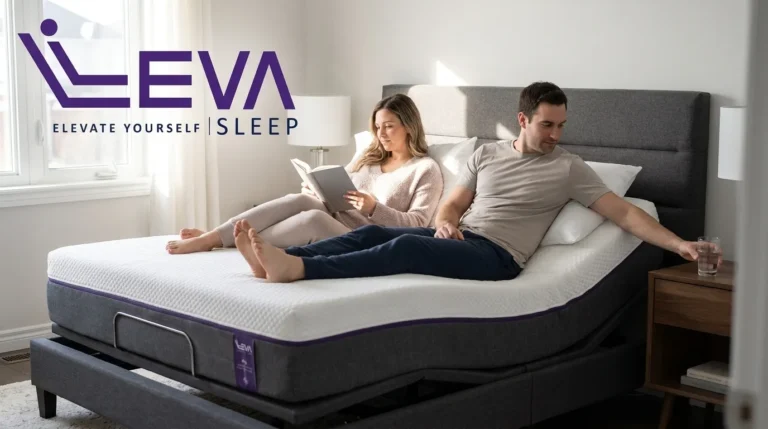
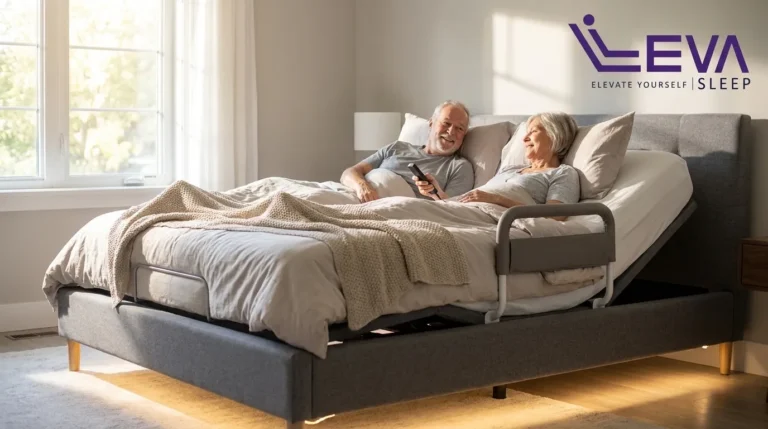
Leva Sleep adjustable beds focus on couples who want individualized comfort without separate beds. The systems address issues that box springs cannot, including independent positioning, quiet operation, and mattress compatibility.
- Split King and Split Queen configurations that let each partner control their own side
- Whisper-quiet German motors that adjust positions smoothly during the night
- Anti-snore technology that gently elevates the head to help keep airways open
- Durable Canadian-made components for reliable long-term use
- Mattresses and bedding engineered to move with an adjustable base
Browse Leva Sleep adjustable bed packages to compare sizes, features, and pricing for your bedroom.
7 Game-Changing Reasons to Choose an Adjustable Bed Over a Traditional Box Spring
1. Personalized Comfort and Fewer Compromises for Couples
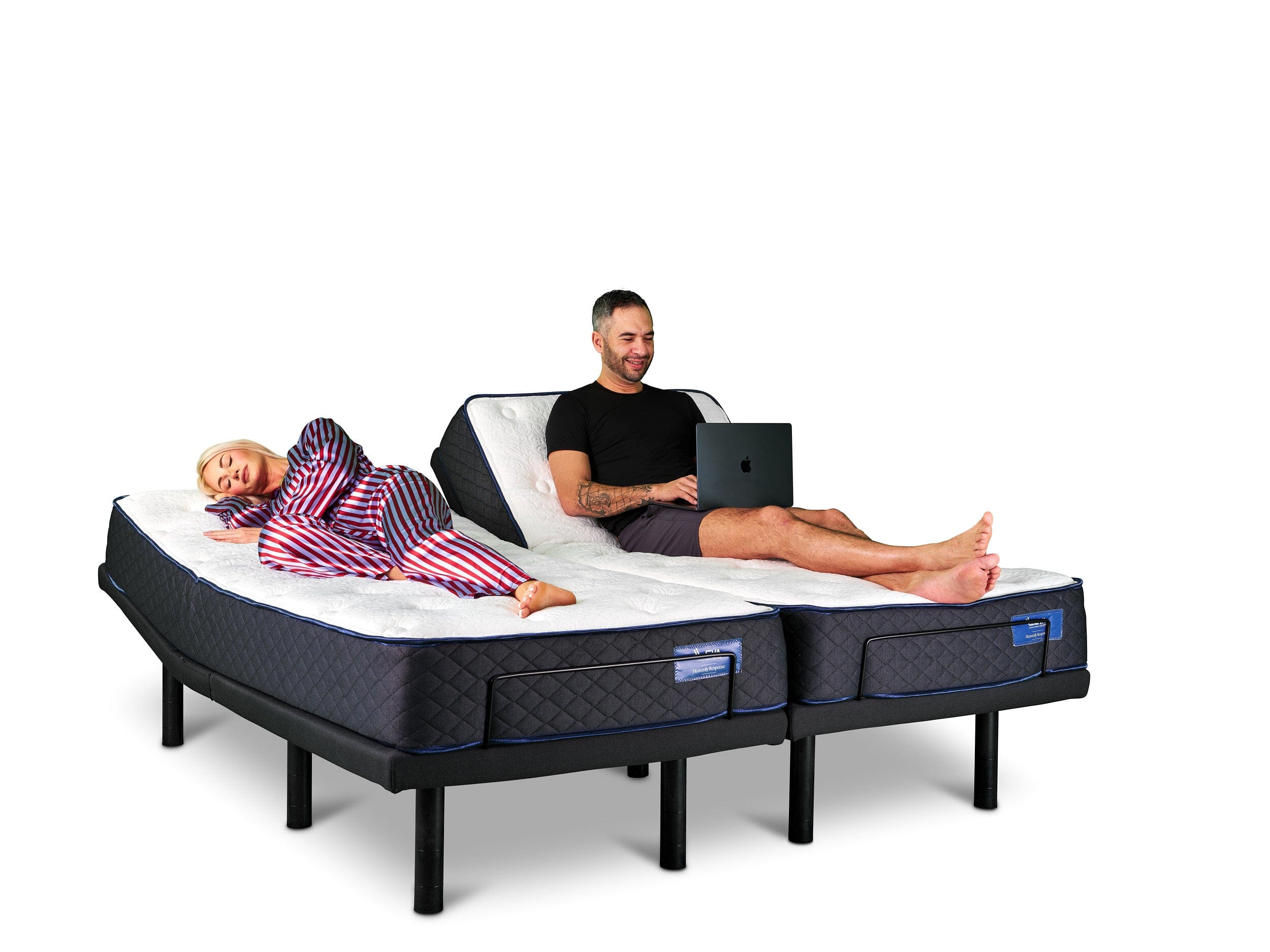
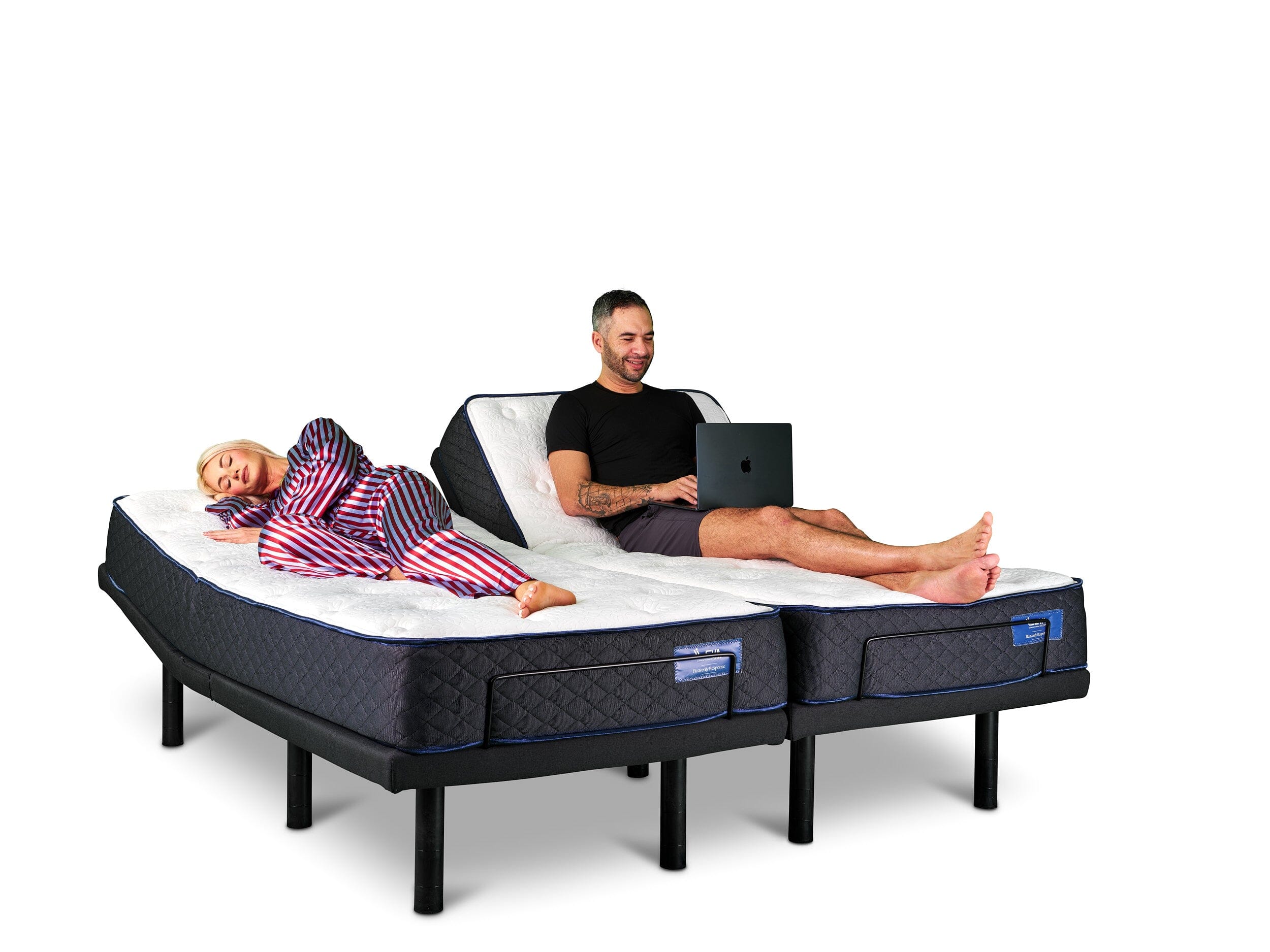
Adjustable beds let each partner control head and foot elevation on their side of the bed. With Leva Sleep Split Queen and Split King setups, both sleepers can choose their ideal angle for reading, watching TV, or sleeping, without affecting the other side.
The Leva Sleep app offers memory presets, so preferred positions are available with one tap. One partner can sleep slightly elevated to address snoring, while the other remains flat to support spinal alignment. The bed becomes a shared space that still respects individual comfort needs.
2. Targeted Pain Relief and Practical Health Support
Adjustable beds support more than comfort. They allow positions that can reduce pressure on the lower back, hips, and knees, and that can help manage certain health concerns. Gentle elevation may ease symptoms of sleep apnea, back pain, and acid reflux for many adults.
The Leva Sleep Zero Gravity setting distributes weight more evenly, which can lessen pressure points and promote better circulation. Many people who are advised to sleep slightly elevated find that adjusting the head of the bed offers a simple way to follow that guidance at home.
3. Reduced Snoring Through Smart Positioning
Snoring often pushes couples into separate rooms. A flat box spring cannot address this, but head elevation on an adjustable bed can. Leva Sleep Anti-Snore Mode uses gentle, automatic adjustments to raise the head when snoring starts, which helps keep the airway more open.
Quiet motors change the position gradually so the sleeper is less likely to wake up. This approach offers a non-invasive option that can support better rest for both partners.
4. Better Match with Modern Mattresses
Many couples now use foam, latex, or hybrid mattresses that behave differently from traditional innerspring models. Foam mattresses can sag on box springs with wide slats, which may shorten their useful life. Box springs also are not designed to bend with adjustable bases.
Leva Sleep mattresses are built to flex repeatedly with the base, whether you choose all-foam or hybrid pocket coil designs. The materials are selected to move smoothly without damage during frequent position changes, which supports both comfort and durability.
5. Comfortable Support for Reading, Streaming, and Recovery
Many bedrooms now function as places to unwind, work, and recover from illness, not only to sleep. Adjustable beds make these activities more comfortable because you can raise the head or feet instead of stacking pillows or slouching against the headboard.
Some adjustable bases also include USB ports near the bed, which makes it easier to charge devices while using them. Couples can shift from an upright reading position to a sleep position in seconds, while maintaining healthier posture throughout the evening.
6. Stronger Construction and Long-Term Value
Quality adjustable beds often outlast basic box springs and provide more utility over time. Typical box springs last about as long as the mattress, and their coils and frames may loosen or break, which can cause squeaks and sagging.
Leva Sleep uses robust metal frames and precision German motors to support daily adjustments. When you account for the health support, customization, and potential reduction in sleep-related conflict, the total value often exceeds the difference in upfront price.
7. Bedding Designed to Stay Put on an Adjustable Base
Standard sheets and duvets can pull loose when you raise or lower the bed. Leva Sleep addresses this by offering bedding that works with movement instead of against it.
Deep-pocket fitted sheets with stronger elastic help keep corners in place, while duvet clips hold covers securely when partners choose different positions. Flexible mattress protectors and supportive pillows round out a system that stays organized even when the bed is frequently adjusted.
Adjustable Bed vs. Traditional Box Spring: A Head-to-Head Comparison for Couples
|
Feature |
Leva Sleep Adjustable Bed |
Traditional Box Spring |
|
Comfort and Customization |
Personalized head and foot elevation, lumbar support, massage, memory positions, and independent control for partners |
Rigid, flat surface with uniform support only |
|
Health and Wellness Benefits |
Positions that can ease snoring, acid reflux, back pain, and some sleep apnea symptoms, along with improved circulation |
Limited health support beyond basic mattress elevation |
|
Mattress Compatibility |
Well suited to foam, latex, and hybrid mattresses designed to flex |
Can lead to sagging in foam or latex over time |
|
Technology and Features |
Quiet motors, app control, USB ports, Anti-Snore Mode, and Zero Gravity positioning |
No built-in technology or adjustability |
Compare Leva Sleep adjustable bed systems side by side with your current box spring setup to see which features matter most for your household.
Frequently Asked Questions About Adjustable Beds
Q: Can I use my existing mattress with an adjustable bed?
A: Many memory foam, latex, and hybrid mattresses work well on adjustable bases because they can bend without damage. Traditional innerspring mattresses are often too rigid and may not perform properly. Leva Sleep offers mattresses designed for adjustable bases and can advise whether your current model is flexible enough.
Q: Are adjustable beds noisy?
A: Well-built adjustable beds use quiet motors. Leva Sleep frames use whisper-quiet German motors so position changes, including anti-snore adjustments, are smooth and low-noise, which helps protect your partner’s sleep.
Q: Are adjustable beds difficult to set up or move?
A: Adjustable beds are heavier than box springs, but Leva Sleep offers optional white-glove delivery. A trained team delivers, assembles, reviews operation, and can remove your old bed so you can begin using the new system right away.
Q: Do adjustable beds help with snoring?
A: Head elevation can reduce snoring for many people by helping keep the airway more open. Leva Sleep Anti-Snore Mode builds on this by sensing snoring and gently raising the head to reduce it, which supports more restful sleep for both partners.
Q: What is the main difference in cost between adjustable beds and box springs?
A: Box springs usually cost a few hundred dollars, while adjustable beds range higher because they include motors, controls, and added features. Leva Sleep sells directly to consumers, which helps keep pricing below many luxury competitors while still offering strong construction and useful technology.
Conclusion: Elevate Your Sleep with a Leva Sleep Adjustable Bed
Traditional box springs no longer match the needs of many Canadian couples. They provide limited support options, do not adapt to medical or comfort requirements, and may not pair well with modern mattresses.
Leva Sleep adjustable beds offer individualized positioning, health-focused presets, quiet technology, and bedding designed to move with the base. Couples who want fewer sleep compromises and more flexible use of their bedroom can benefit from this type of system. Explore Leva Sleep adjustable bed packages to choose a configuration that supports how you and your partner actually sleep.