Written by: Matthew Timmins, Founder and Managing Director, Leva Sleep
Canadian couples often look for sleep solutions that balance individual needs with shared comfort and safety. This guide explores adjustable beds with side rails, explaining how modern designs can provide both protection and tailored comfort. We’ll cover the differences between medical and personal use, key Canadian safety standards, and how Leva Sleep’s split adjustable beds offer a safe, customized sleep experience while keeping couples close.
Why Adjustable Split Beds with Side Rails Matter for Canadian Couples
Meeting Diverse Sleep Needs in Relationships
Modern Canadian couples face varied sleep challenges that traditional flat beds can’t address. As health and comfort needs evolve, partners often deal with different preferences or medical conditions that require personalized solutions.
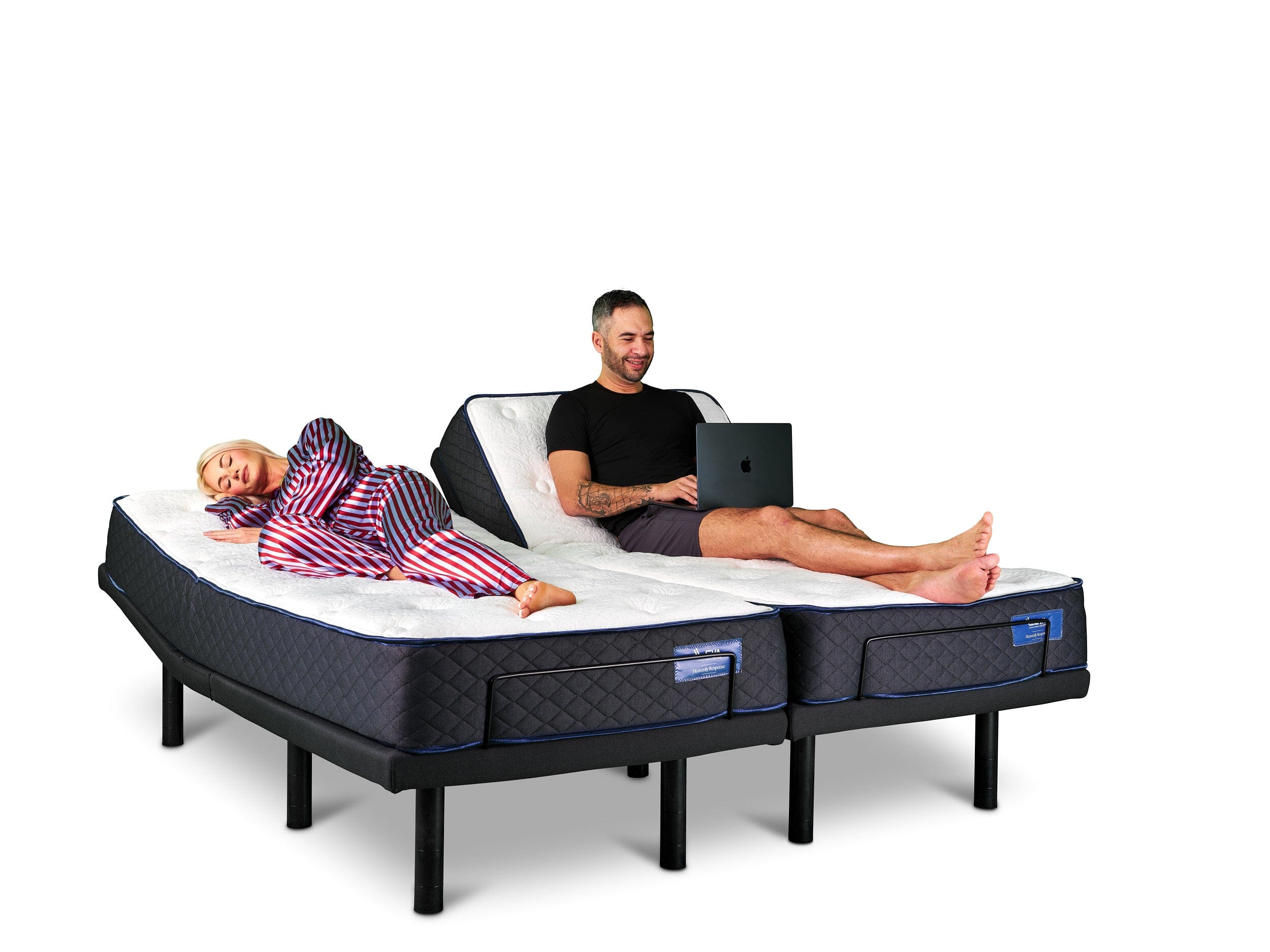
For instance, one partner might need head elevation for sleep apnea, while the other benefits from leg elevation for hip pain. A standard bed often forces one to sacrifice comfort or health, sometimes leading couples to sleep apart to get proper rest.
Differences in snoring, temperature preferences, mattress firmness, or specific sleeping positions add to these challenges. Over time, poor sleep affects not just rest but also relationship harmony and well-being.
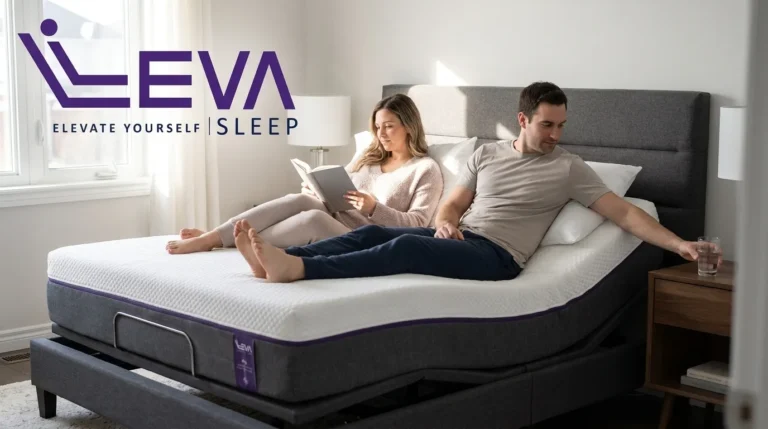
Adjustable beds with side rails offer a solution through independent controls. Each partner can adjust their side to suit their needs, maintaining closeness in a shared space while addressing personal health and comfort requirements.
Boosting Safety and Ease of Movement with Side Rails
Side rails on adjustable beds do more than prevent falls. They provide essential support for couples dealing with mobility issues, balance concerns, or medical conditions that make getting in and out of bed difficult.
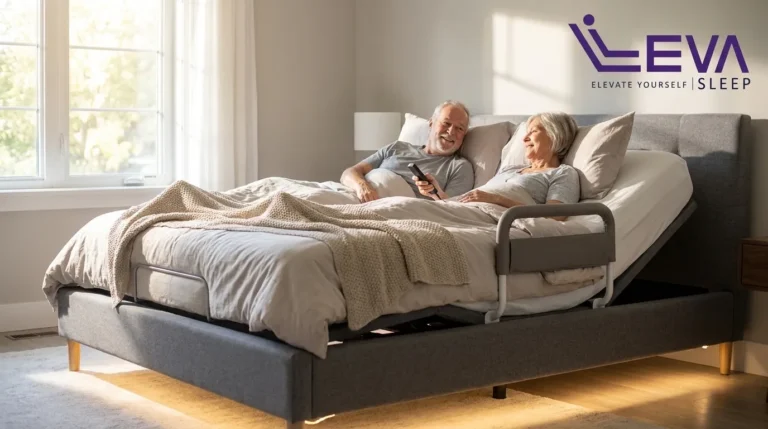
Today’s side rails aren’t the bulky barriers of old hospital beds. They offer support points for those with joint pain, recovery needs, or age-related challenges. One partner can use a rail for security while the other enjoys an open setup.
These rails also bring peace of mind. Many people worry about falling at night or struggling to get up. A well-designed rail reduces this anxiety, leading to deeper, more restful sleep.
Customized designs are crucial, though. Full-length double-sided rails may not lower fall risks for seniors and could increase entrapment hazards, especially for those with cognitive issues. Adjustable beds with modular or partial rail options allow couples to tailor safety to their specific needs.
Leva Sleep’s Unique Approach: Custom Safety and Comfort for Couples
Split King and Split Queen Beds Built for Two
Leva Sleep designs adjustable beds with side rails to meet individual needs without disrupting shared sleep. Their Split King and Split Queen setups allow each partner to control their side of the bed independently.
The Split King uses two Twin XL bases, letting one partner raise their head to ease snoring or reflux while the other elevates their feet for circulation or back relief. Side rails can differ on each side, meeting one partner’s safety needs while leaving the other side open.
For smaller spaces, the Split Queen offers similar independent controls in a more compact size. This suits many Canadian homes where bedroom space is limited but customization remains important.
Controls go beyond elevation to include massage settings, temperature adjustments, and anti-snore features, all adjustable without waking the other person. Couples can address health, comfort, and safety needs without compromise.
Ready to customize your sleep? Discover Leva Sleep’s adjustable bed packages.
Key Features for Comfort and Protection
Leva Sleep beds use quiet German motors for smooth, silent adjustments, ensuring one partner’s changes don’t disturb the other. This maintains a calm sleep environment for both.
An anti-snore mode detects snoring and makes small head adjustments to reduce it, often without waking either partner. This feature helps couples stay in the same bed instead of sleeping apart.
The Leva Sleep app lets users save custom positions, set gentle wake-up vibrations, and track sleep patterns. Its simple design makes nighttime tweaks easy for both partners.
Lumbar support and pillow tilt options target pain points and spinal alignment, helping those with chronic discomfort or recovery needs. These adjustments cater to specific physical requirements.
Temperature controls via heating and cooling pads let each partner set their ideal sleep climate. This tackles a common issue for couples with different thermal needs, keeping everyone comfortable.
Hassle-Free Setup with White-Glove Service
Leva Sleep prioritizes safety and satisfaction with white-glove delivery and installation. This service ensures adjustable beds and side rails are set up correctly for each couple’s needs.
The process includes bringing the bed to your room, full assembly, height adjustments for comfort and safety, user tutorials, and removal of old bedding. It avoids the pitfalls of self-installation that could affect safety or performance.
Side rail setup especially needs professional care for proper mounting and safety checks. Leva Sleep technicians ensure everything works as intended and explain how to use the system.
They also make on-the-spot adjustments based on your feedback, ensuring the bed suits both partners from day one. This tailored approach maximizes the benefits of adjustable beds.
Want a stress-free setup? Check out Leva Sleep’s adjustable bed packages.
Navigating Side Rail Safety: Canadian Standards and Practical Use
Medical vs. Home Use: Understanding Side Rail Classifications
Knowing Canada’s regulations for side rails helps couples choose adjustable beds with the right safety features. Health Canada oversees hospital-grade side rails as medical devices, enforcing strict standards to reduce entrapment and failure risks.
Medical rails face tough rules due to their use in care settings with vulnerable people. These include limits on opening sizes and thorough testing. Home-use rails may not always fall under the same category, but companies like Leva Sleep apply similar safety measures for added protection.
Such standards focus on preventing entrapment, ensuring secure latches, and providing clear usage instructions. Openings must be under 120mm to avoid head or body entrapment. This principle often guides home bed designs too.
Understanding these differences helps couples pick products that prioritize safety, even for non-medical use, ensuring confidence in their sleep setup.
Identifying and Addressing Entrapment Risks
Health Canada guidelines highlight seven entrapment zones in bed rails, areas where poor design could lead to injury. These zones are critical when assessing side rail safety for any bed.
These zones include spaces between the mattress and rail, within rail openings, between split rails, at the bed’s head or foot, and near adjacent surfaces. Couples should look for designs that minimize these risks.
Adjustable beds pose unique challenges since movement can shift spacing. Side rails must maintain safe gaps and alignment during all adjustments to protect users.
Reputable manufacturers tackle this with careful spacing, secure mounts, and durable materials that hold up under motion. Safety testing ensures compliance with key standards, giving Canadian couples confidence in home-use products.
Choose adjustable beds aware of these entrapment zones to ensure safety features genuinely protect rather than create hazards.
Balancing Benefits and Risks of Side Rails
Deciding on side rails for adjustable beds involves weighing their advantages against potential downsides. Couples often have different safety needs, making thoughtful integration vital.
Well-designed rails help with getting in and out of bed, ease nighttime fears, prevent falls during sleep, and define personal space, especially for certain health conditions. One partner can feel secure while the other moves freely.
Yet risks exist if rails aren’t used properly. Full-length bilateral rails don’t always cut fall risks for seniors and may heighten entrapment issues, especially for those with cognitive challenges who might try climbing over them.
This highlights the need for personal evaluation and expert advice, particularly if cognitive issues are a factor. Safety and comfort should always be the focus, not added obstacles.
Modern rail systems offer flexible solutions with adjustable or partial rails that prioritize safety without restriction. For couples, this means tailoring setups to individual needs without affecting either partner’s well-being.
Finding the Right Adjustable Bed with Side Rails for Your Needs
Tailoring Side Rail Options for Each Partner
Split adjustable beds stand out by allowing different side rail setups for each partner. This flexibility ensures safety and comfort aren’t one-size-fits-all, avoiding unnecessary limits on either person.
Evaluate each partner’s mobility, health conditions, mental clarity, and preferences. One might need a rail for balance support, while the other prefers no barriers. Independent rail options on split beds make this possible.
Consider nighttime routines too, like bathroom trips. Rails that help during sleep shouldn’t block quick exits. The best setup offers support without hindering movement when needed.
Consulting professionals can guide these choices, especially with medical or safety concerns. Healthcare experts provide input on suitable rail support based on personal health and risks.
The goal is a balance that enhances safety and ease for both without undue restrictions. Split beds with customizable rails deliver this adaptability for couples.
Modern Design for Function and Style
Today’s side rails for adjustable beds have moved beyond clunky hospital designs. They blend practical support with appealing looks that fit a home bedroom for couples.
Modular rails let you add or remove them as needs change, whether for short-term recovery or long-term conditions. This suits couples with evolving requirements.
Adjustable or removable rails offer support when needed but can be cleared for closeness or full mobility. This ensures safety doesn’t interfere with relationship dynamics.
Designs often match bedroom decor with quiet mechanisms and complementary finishes. The aim is to blend safety into your space, not make it feel clinical.
Some rails include extras like built-in lights for night navigation, storage for essentials, and ergonomic grips for easier bed access, adding both function and convenience.
Why Expert Advice and Setup Are Essential
Adjustable beds with side rails are complex, making professional guidance and installation key to safety, function, and durability. This matters for couples balancing unique needs in one system.
Experts help navigate options, ensuring you pick a bed that fits your situation, not just marketing promises. They assess health, mobility, and safety to suggest the right rail setups.
Professional setup guarantees correct rail mounting and testing before use. Mistakes can turn safety features into risks, so trained installation is critical.
Leva Sleep’s white-glove service covers full assembly, safety checks, and user training. Technicians adjust based on your feedback, ensuring the system works for both partners.
For medical or mobility issues, a doctor’s input can clarify suitable features or risks. This combined expertise ensures the best outcome.
Ready for expert support? Explore Leva Sleep’s adjustable bed packages.
Common Mistakes Canadian Couples Make and How Leva Sleep Helps
Ignoring Safety Standards for Bed Rails
Many Canadian couples overlook safety regulations when choosing adjustable beds with rails, risking unsafe products or poor long-term value. This can impact both protection and satisfaction.
Focusing only on price or basic features often means missing key safety aspects. Beds not meeting recognized standards might lack proper entrapment safeguards or durable materials.
Couples should seek products aligned with Health Canada’s guidelines, even for home use. Look for attention to entrapment zones, safe opening sizes, and reliable construction.
Leva Sleep builds medical-grade safety into every bed, offering reliability that budget options can’t match. This gives couples confidence in their choice.
Beyond meeting standards, Leva Sleep tests regularly, maintains quality, and educates users on safe operation, ensuring safety throughout ownership.
Accepting Generic Beds Despite Unique Needs
A frequent error is choosing adjustable beds without enough customization, especially for side rails. This often stems from limited options or lack of awareness about better choices.
Standard beds might adjust height but lack detailed controls for couples with varied needs. This forces one partner to give up comfort or health benefits to stay together.
Basic rail designs rarely adapt, making both partners accept the same setup regardless of personal requirements. This fails to address differing safety or mobility needs.
Leva Sleep’s split beds solve this with independent controls and rail options per side. Each partner gets what they need without compromise.
Customization includes elevation, lumbar support, and temperature settings, letting couples build sleep spaces that match their exact preferences and conditions.
Skipping Professional Setup for Complex Beds
Many underestimate the intricacy of adjustable beds with rails, opting for DIY setup or basic delivery. This risks poor function, safety issues, and lost warranty coverage.
These beds involve electrical setups, app pairing, safety calibration, and personal adjustments needing expert skills. Errors can lead to malfunctions or hazards.
Rail installation demands precision in mounting and safety verification, beyond amateur ability. Professionals ensure correct operation and user understanding.
Leva Sleep’s white-glove service handles full setup, testing, and training. This maximizes your investment’s value and safety from the start.
Technicians also tweak settings on-site based on feedback, ensuring both partners benefit immediately. DIY can’t match this personalized care.
Avoid these errors with a reliable solution. See Leva Sleep’s adjustable bed packages.
|
Attribute |
Leva Sleep Adjustable Beds |
Generic Adjustable Beds |
Traditional Flat Beds |
|
Canadian Safety Principle Adherence |
High |
Variable |
Not Applicable |
|
Split Adjustability Integration |
Yes |
Often Limited |
No |
|
Customization for Couples |
Extensive |
Basic |
None |
|
Professional Installation |
Yes (White-Glove Option) |
Often DIY |
Basic Delivery |
Key Questions About Adjustable Beds with Side Rails
Do Health Canada Rules Apply to All Side Rails?
Health Canada mainly regulates hospital bed rails as medical devices under strict rules for institutional use. Home-use rails may not face the same requirements, but trusted brands like Leva Sleep adopt these high standards for user safety.
The difference lies in purpose and marketing. Medical rails meet tough criteria for vulnerable settings, yet their safety principles, like entrapment guidelines, inform home designs too.
Leva Sleep applies these standards voluntarily, ensuring products exceed basic safety needs for home use. This reflects a focus on quality and protection.
Canadian buyers should choose brands aware of Health Canada’s guidelines, ensuring safety is built into the product, even if not classified as medical-grade.
Can Side Rails Pose Injury Risks for Seniors?
Improperly designed or misused side rails can increase injury risks, especially for seniors or those with cognitive issues. Safety depends on correct use and design focused on support, not restraint.
Full-length double rails may heighten entrapment risks or prompt unsafe climbing if seen as barriers. This is a concern for those with conditions like dementia who might misinterpret their purpose.
Leva Sleep counters this with modular rails that assist without restricting. These prioritize independence and security over confinement.
Their approach focuses on assessing individual needs, recognizing rails aren’t for everyone. Professional input and setup ensure rails enhance safety, not hinder it.
For couples, varied rail setups per side mean personal safety needs are met without imposing unwanted limits on either partner.
How Do Split Beds with Rails Support Couples with Different Needs?
Split adjustable beds with side rails cater to couples by allowing independent adjustments while preserving shared sleep space. Each partner can tailor their side for safety and comfort.
Controls cover elevation, massage, temperature, and rail setups. One partner might use a rail for mobility support while the other keeps their side open, meeting unique needs without conflict.
Leva Sleep beds offer detailed customization beyond simple height changes. Adjust lumbar support, pillow tilt, anti-snore settings, and climate for a personalized experience.
Rail flexibility is key for differing mobility or health issues. Options can vary per side, providing support where needed without limiting freedom.
This prevents couples from sleeping apart due to mismatched needs, allowing both to stay together while addressing personal comfort and safety.
What Safety Features Should Canadians Check in Side Rails?
Look for side rails meeting Health Canada’s entrapment rules, with openings under 120mm to avoid head or body trapping. This reduces major safety concerns in rail design.
Ensure rails are sturdy and securely mounted, maintaining stability across all bed movements. Reliable mechanisms keep them aligned and functional.
Opt for modular or removable rails to adapt to changing needs. This flexibility suits couples with evolving health or mobility situations over time.
Professional setup is vital for safe assembly. Leva Sleep’s white-glove service includes expert installation, safety checks, and user guidance for proper operation.
Choose products with durable materials and long-term reliability, backed by warranties and support. ongoing testing ensures lasting safety performance.
Are There Canadian Rules for Home-Use Adjustable Beds with Rails?
Health Canada’s medical device rules mainly cover hospital beds, but their safety principles guide home-use products too. Understanding these helps Canadian buyers make informed choices.
Regulations separate institutional medical devices from home consumer goods, yet responsible brands apply medical-grade safety to residential beds劫羅 Assistant (continued): products. Canadian consumer laws still demand basic safety and risk prevention for all sold items, including adjustable beds and rails, with clear usage warnings.
Leva Sleep exceeds these minimums by adopting medical safety standards, ensuring reliable home-use protection. This shows dedication to quality and user well-being.
Buyers should seek brands that follow relevant safety norms, provide detailed instructions, and offer expert setup and support for ongoing safety assurance.
Conclusion: Leva Sleep, Your Ally for Safe, Tailored Sleep
Canadian couples don’t need to compromise or sleep apart to achieve better rest. Adjustable beds with well-designed side rails address complex sleep challenges like health issues, mobility needs, and comfort differences while supporting closeness.
This guide has shown how safety norms, smart design, and customization combine to create effective sleep setups. Quality rest requires addressing each person’s needs without losing the shared connection couples cherish.
Leva Sleep stands out with a focus on safety standards, advanced split bed technology, and expert installation for peak performance. Their attention to couples’ needs offers practical sleep improvements for Canadians.
Adjustable beds with rails have evolved from clinical tools to refined home systems, recognizing that rest must be personal. For snoring, pain, mobility, or preference differences, these beds provide adaptable safety and comfort.
As couples prioritize health and relationship quality, demand for tailored sleep options will grow. Leva Sleep leads with innovative beds and safety features, meeting the real needs of today’s partnerships.
Ready to improve your sleep with safety and comfort for both of you? Explore Leva Sleep’s adjustable bed packages today and start resting better together.