Written by: Matthew Timmins, Founder and Managing Director, Leva Sleep | Last updated: July 20, 2026
Key Takeaways
- Side sleeping with a body pillow, 5–10% weight loss, nasal congestion relief, avoiding alcohol before bed, and nightly throat exercises are the top evidence-based ways to reduce snoring without surgery.
- When lifestyle changes fall short, custom oral appliances or head-of-bed elevation via a split adjustable bed provide passive, mask-free relief that helps couples stay in the same bed.
- Partners of snorers lose significant sleep each year, leading to fatigue, mood changes, and sometimes separate sleeping arrangements, yet many couples resume sharing a bed once snoring is treated.
- Adjustable beds with independent split controls and anti-snore modes provide immediate, silent relief without disturbing a partner, and they outperform wedge pillows and CPAP in couple compatibility.
- For Canadian couples seeking a passive nightly solution, explore Leva Sleep’s adjustable bed packages at Leva Sleep with white-glove delivery across Ontario and Alberta.
Why Loud Snoring Is Breaking Canadian Bedrooms
Partners of snorers lose at least one hour of sleep per night, equivalent to fifteen full days of lost sleep annually. 75% of people with snoring partners report that it impacts their sleep quality, and 77% say it affects their overall well-being. The downstream effects are measurable: 44% feel tired the next day, and 33% feel cranky or moody.
33–35% of Americans occasionally or consistently sleep separately, a pattern driven largely by snoring and sleep disruption. Many couples who adopted sleep divorce resumed sleeping together after the snoring partner received treatment, which means the damage is often reversible when the right intervention is found. The eight methods below move from simplest to most comprehensive so couples can identify the right entry point for their situation.
Explore split adjustable beds designed for couples — Canada’s split-adjustable specialist, with white-glove delivery across Ontario and Alberta.
1. Side Sleeping With a Supportive Body Pillow
Side sleeping reduces snoring for many people with obstructive sleep apnoea and can lower symptom severity enough that some no longer meet the clinical threshold for OSA. The trunk lateral–head lateral position keeps the airway more open and can substantially reduce AHI.
A full-length body pillow wedged behind the back helps prevent rolling onto the back during the night. When you evaluate options, check that the pillow maintains at least 30 degrees of trunk rotation and does not compress the shoulder.
2. How Weight Loss Changes Snoring Risk
Weight loss reduces snoring by shrinking fatty tissue around the neck and tongue that narrows the airway. Longitudinal data from the Wisconsin Sleep Cohort Study shows that changes in body weight directly correlate with changes in AHI, the measure of breathing interruptions during sleep. Even modest weight reduction can produce measurable improvement in snoring severity and sleep quality.
Weight loss targets the same fat deposits that increase neck circumference and crowd the airway. A neck circumference exceeding 17 inches in men or 16 inches in women is a recognized risk factor for obstructive sleep apnea because these fat deposits narrow the airway. Because this tissue accumulates gradually, it also sheds gradually, so expect weeks to months before snoring improves. Weight loss rarely eliminates snoring entirely when other anatomical factors, such as a deviated septum or enlarged tonsils, are present.
3. Clearing Nasal Congestion to Reduce Snoring
Nasal congestion is a risk factor for sleep-disordered breathing, according to research from the University of Wisconsin Sleep and Respiratory Research Group, because blocked nasal passages force mouth breathing. Mouth breathing increases airway turbulence and raises snoring volume. Saline rinses, nasal strips, and allergy management improve airflow through the nose and directly reduce that turbulence.
Medical management of nasal obstruction via saline irrigation, allergy treatment, or prescribed nasal medications also improves tolerance and effectiveness of other non-surgical treatments, such as oral appliances and CPAP, which work best when nasal breathing is unobstructed. Nasal interventions can provide relief the same night. Check whether congestion is seasonal, which suggests allergies, or structural, such as a deviated septum, which may require specialist assessment.
4. Reducing Alcohol and Sedatives Before Bed
Alcohol relaxes upper airway muscles in a dose-related manner and is thought to worsen snoring and breathing during sleep, particularly in regular snorers. Avoiding alcohol and quitting smoking are lifestyle changes that may reduce sleep apnoea symptoms. Sedating antihistamines and benzodiazepines carry similar risks because they also relax airway muscles.
Stopping alcohol within three hours of bedtime provides a practical starting threshold that many couples can maintain. Improvement is often noticeable within the first week, especially when combined with side sleeping.
5. Throat Exercises With a Simple Nightly Routine
Myofunctional therapy, which uses oropharyngeal and tongue-strengthening exercises, can reduce the apnea-hypopnea index. Oropharyngeal exercises that strengthen the tongue, soft palate, and throat muscles may reduce snoring volume and frequency, according to a 2016 study in Sleep and Breathing.
A basic nightly routine to evaluate and build on includes:
- Press the tip of the tongue firmly against the roof of the mouth and slide it backward, then repeat 20 times.
- Suck the tongue flat against the roof of the mouth and hold for 10 seconds, then repeat 10 times.
- Push the back of the tongue flat against the floor of the mouth while keeping the tip touching the lower front teeth, then repeat 20 times.
- Lift the soft palate and uvula upward while saying “aah,” hold for 5 seconds, then repeat 20 times.
- Close the lips and chew in a circular motion with the mouth closed for 60 seconds.
Results build over 6–12 weeks of consistent daily practice. Orofacial myofunctional therapy typically requires 6–12 months of daily practice under professional guidance for durable improvement.
6. Choosing Between Oral Appliances and CPAP
Mandibular advancement devices, or MADs, reposition the lower jaw slightly forward and can reduce snoring frequency in many users. The American Academy of Sleep Medicine recommends oral appliance therapy for adult patients with obstructive sleep apnea who are intolerant of CPAP therapy or prefer alternate therapy.
Studies show differences in average nightly use between oral appliance and CPAP groups, which affects real-world results. CPAP can achieve substantial AHI reduction when used as prescribed, yet a significant proportion of patients are non-adherent, depending on how adherence is defined. For couples, CPAP also produces an audible hum and requires a mask and hose that can disturb the non-snoring partner. Custom MADs from a dental sleep specialist cost $1,800–$3,000 CAD and outperform over-the-counter boil-and-bite versions in both comfort and outcomes.
7. Head Elevation With Adjustable Beds and Anti-Snore Mode
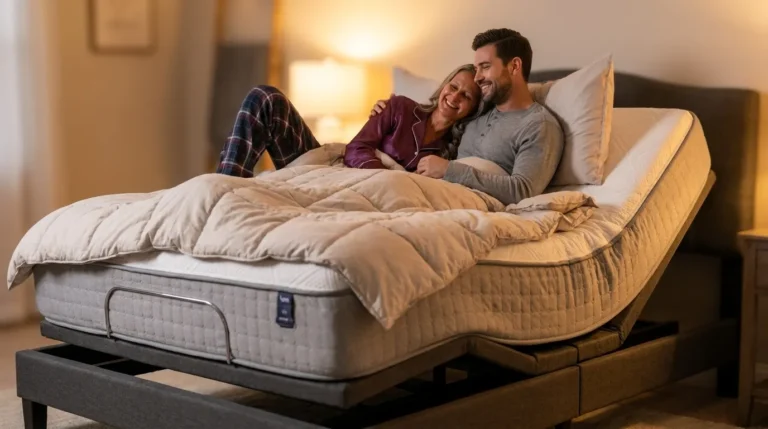
Head-of-bed elevation improves airway mechanics and can reduce apnea and hypopnea events, including partial airway blockages. Research suggests that head elevation within a moderate range reduces snoring for many people by using gravity to keep the airway more open.
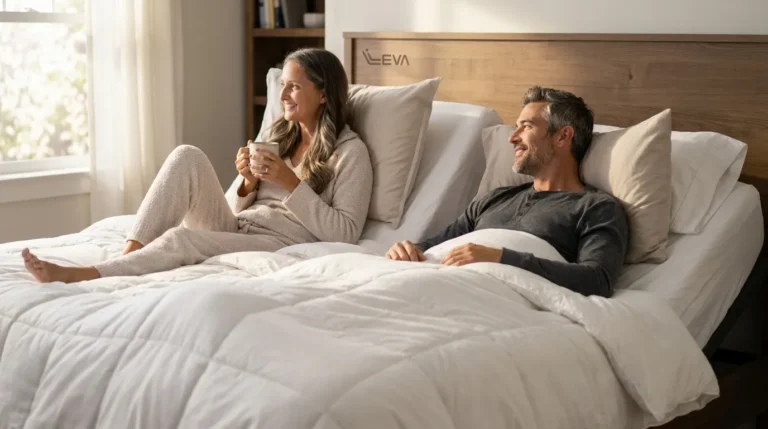
Adjustable bed frames hold the upper body at a consistent angle, which avoids the shifting and neck flexion that often occur with wedge pillows. This stability keeps the airway more reliably open through the night.
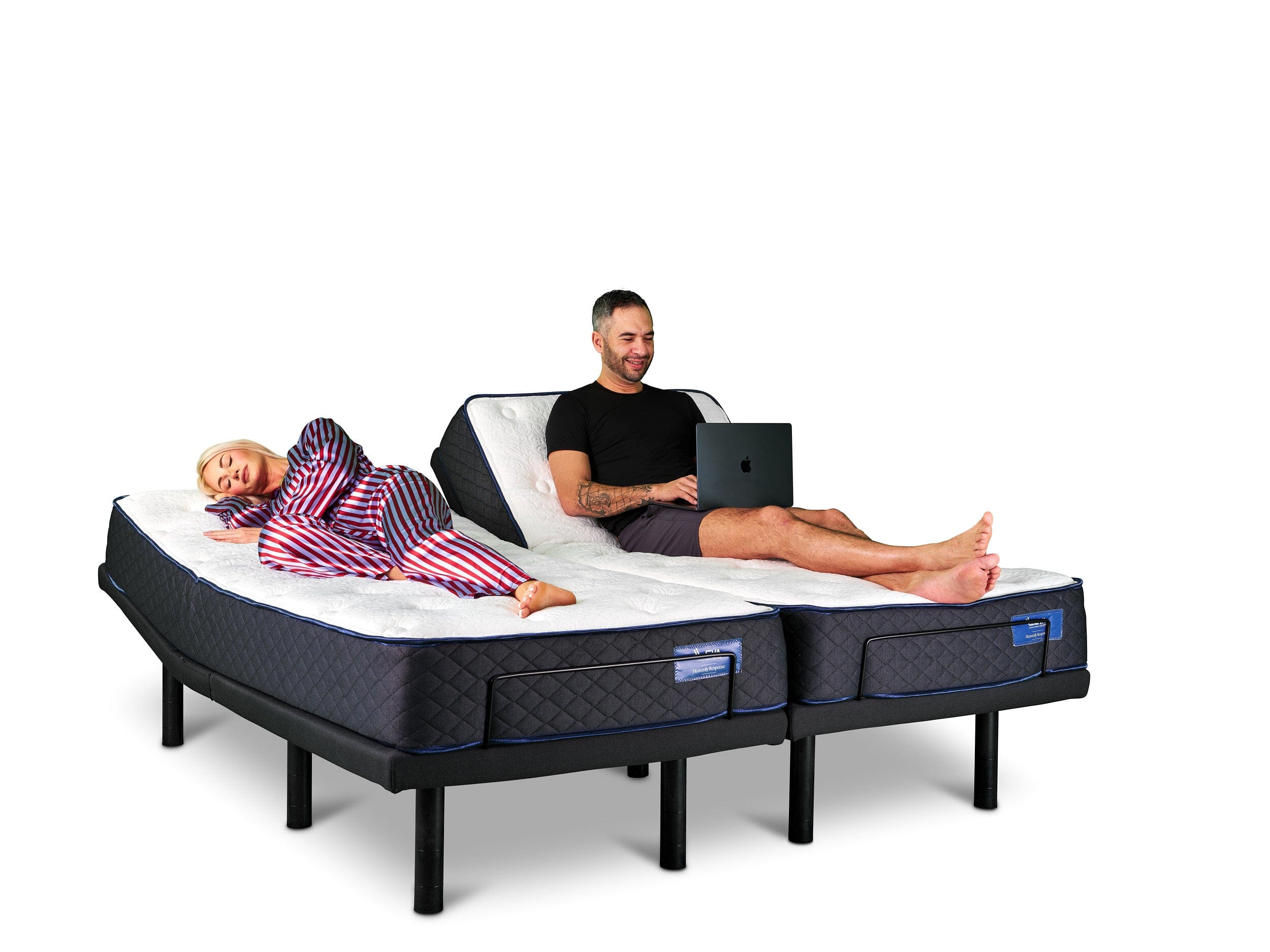
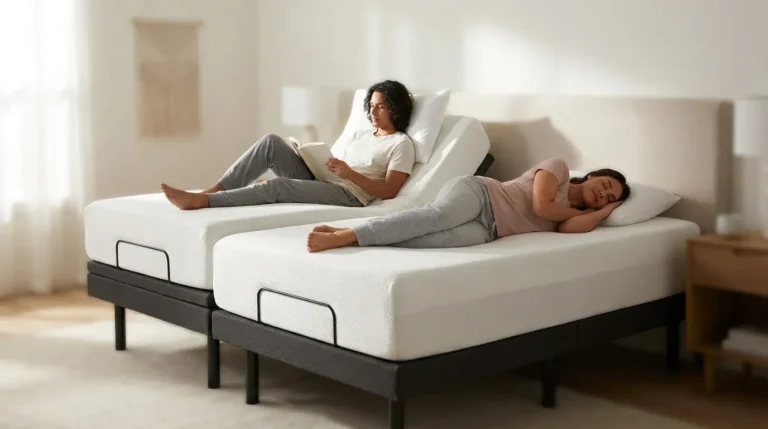
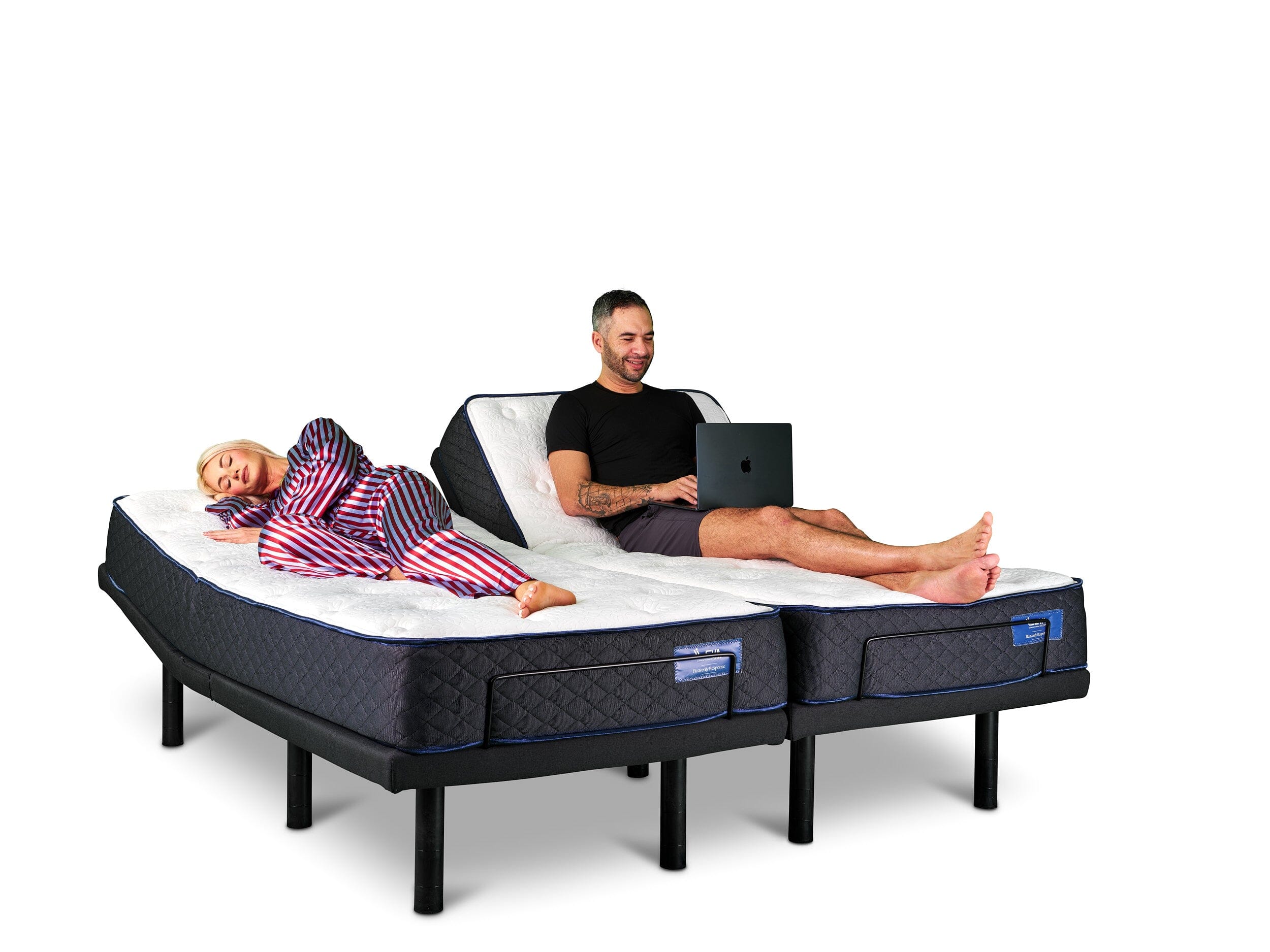
Leva Sleep’s split adjustable bases address the couple dimension directly. Each side of the bed operates independently via whisper-quiet German motors, so one partner can elevate their head while the other remains flat. The anti-snore mode detects snoring and makes micro-adjustments to the head of the bed automatically, creating a fully passive solution that requires no mask, mouthpiece, or manual intervention. Leva’s vertical integration, which includes designing, assembling, and delivering its systems in-house, keeps prices about 30–50% below comparable luxury competitors, with white-glove delivery available across Ontario and Alberta.
Case study — Toronto couple, ages 52 and 49: After three years of the husband sleeping in the guest room due to loud snoring, the couple purchased a Leva Split Queen adjustable base. Within the first week of sleeping with the head elevated at 25 degrees, the wife reported that the snoring had dropped to an occasional low rumble. Both partners now sleep in the same bed, each side set independently.
Case study — Calgary couple, ages 61 and 58: The wife’s snoring had worsened after menopause. A Leva Split King base with independent elevation allowed her to raise her head while her husband kept his side flat. Combined with side-sleeping positioning, her snoring frequency dropped substantially within two weeks.
See Split Queen and Split King bases with independent controls — delivered and set up by Leva’s in-house team.
8. When to See a Doctor: Canadian Sleep-Clinic Pathways
Snoring that occurs with witnessed breathing pauses, gasping, morning headaches, or excessive daytime sleepiness warrants a referral to a sleep physician. In Canada, a family doctor can refer patients to accredited sleep clinics in Ontario, such as Toronto Western Hospital Sleep Laboratory and Ottawa Hospital Sleep Centre, and in Alberta, such as Foothills Medical Centre Sleep Centre and University of Alberta Hospital.
A polysomnography study determines whether obstructive sleep apnea is present and how severe it is. Those results guide whether CPAP, an oral appliance, positional therapy, or a combination makes the most sense.
Comparing Snoring Remedies at a Glance
The table below compares the main remedies by evidence strength, how quickly results appear, and approximate cost. Use it to match options to your budget and your timeline for relief.
| Remedy | Effectiveness Evidence | Immediacy | Estimated Cost (CAD) |
|---|---|---|---|
| Side sleeping with body pillow | Side sleeping can help many OSA patients reduce their symptoms and severity | Immediate | $30–$80 |
| Weight loss | Weight loss correlates with reduced AHI in longitudinal cohort data | Weeks to months | Variable |
| Nasal congestion relief | Improves airflow and enhances effectiveness of other treatments | Same night (strips/rinses) | $10–$50/month |
| Alcohol/sedative avoidance | Dose-related relaxation of upper airway muscles worsens snoring | Within days | $0 |
| Throat exercises (myofunctional therapy) | Can reduce the apnea-hypopnea index | 6–12 weeks | $0–$200 (guided program) |
| Oral appliance (MAD) | Can reduce snoring frequency for many users | First night (boil-and-bite); weeks (custom) | $50–$3,000+ |
| CPAP | Can achieve significant AHI reduction when used as prescribed | First night | $800–$3,000+ machine; ongoing supplies |
| Head elevation — Leva Sleep adjustable base | Head-of-bed elevation reduces apnea and hypopnea events in clinical studies | First night | 30–50% below comparable luxury competitors |
For couples, the key question is how much each remedy disturbs the non-snoring partner. Side sleeping, weight loss, nasal relief, alcohol avoidance, and throat exercises create no noise and require no devices, so they fit easily into shared sleep. Oral appliances are silent but can cause jaw soreness that affects comfort and intimacy. CPAP machines introduce a mask, hose, and audible hum that many partners find disruptive. Adjustable bed elevation stays silent and passive, and split controls let each partner choose their own position.
What Success Looks Like for Couples
Success for most couples means sharing a bed through the night without repeated awakenings, not eliminating every snoring sound. Measurable markers to track include:
- Partner reports fewer than three awakenings per night due to snoring, rather than frequent disruptions.
- Both partners wake feeling rested instead of fatigued.
- Daytime mood and concentration improve within two to four weeks of consistent intervention.
- The snoring partner no longer receives elbow nudges or is asked to leave the room.
After treatment, marital satisfaction and the bed partner’s quality of life can improve, according to research on sleep apnea treatment outcomes.
Advanced Options: Temperature Control and AI Sleep Tracking
Head elevation improves airway mechanics, yet sleep quality also depends on temperature and stable sleep stages. Leva Sleep’s higher-end bases integrate a heating and cooling pad for individual temperature regulation on each side, which matters because partners often disagree on bedroom temperature. AI-powered sleep tracking built into the Leva system enables real-time micro-adjustments based on detected sleep stages and complements the anti-snore mode’s positional corrections.
Couples who have already addressed snoring but still experience fragmented sleep can pair elevation with temperature control and sleep tracking as a next step. This approach keeps everything within a single integrated system rather than relying on multiple third-party devices.
Explore packages with temperature control and AI sleep tracking — Split Queen and Split King bases assembled locally and delivered with white-glove service across Ontario and Alberta.
Frequently Asked Questions
How can I permanently stop snoring naturally?
Permanent elimination of snoring through natural means is possible for some people but not guaranteed for everyone because snoring has multiple causes. Airway anatomy, body weight, sleep position, nasal congestion, and muscle tone all contribute. The most durable natural approaches include sustained weight loss of 10% or more, which reduces fatty tissue around the airway, consistent side sleeping, and daily myofunctional throat exercises practised over six to twelve months.
When these approaches are combined rather than tried one at a time, the cumulative effect on airway openness is greater. For couples, adding head-of-bed elevation via a split adjustable base provides a passive nightly intervention that still works on nights when other habits slip. If snoring persists despite these measures, a sleep physician can determine whether an underlying condition like obstructive sleep apnea requires additional treatment.
What stops snoring immediately?
The fastest-acting non-surgical interventions are positional changes and nasal relief. Rolling from the back to the side can reduce snoring within seconds by preventing the tongue and soft palate from collapsing into the airway. Nasal strips or a saline rinse applied before bed can open nasal passages within minutes.
Head-of-bed elevation via an adjustable base takes effect the first night it is used. A boil-and-bite mandibular advancement device, available at most pharmacies, can also provide mechanical airway opening the same evening it is fitted, although comfort and effectiveness vary. Alcohol avoidance in the hours before bed reduces muscle relaxation in the throat and can produce a noticeable difference within the first night.
Are Leva Sleep beds available with delivery in Ontario and Alberta?
Yes. Leva Sleep offers in-house white-glove delivery across Ontario and Alberta. The service includes delivery to the bedroom, full assembly, leg-height adjustment, a product tutorial, and removal of the old bed, which is donated or recycled where possible.
Trained Leva staff handle this service rather than a third-party courier, so the team knows the product and can make real-time adjustments during setup. Leva also offers the Split Queen, a configuration not widely available from other Canadian retailers, which suits couples in smaller bedrooms who want independent controls without a full King footprint.
Can I use my existing mattress on a Leva adjustable base?
Many all-foam and hybrid pocket-coil mattresses work well with adjustable bases, provided they are not traditional innerspring mattresses, which are not designed to flex. Leva Sleep’s team can advise on compatibility during the consultation process.
For the best results, particularly when using the anti-snore mode and significant head elevation, Leva recommends its own purpose-built mattresses. These are engineered to flex with the base without compromising support or durability. Leva also designs its fitted sheets with deep pockets and extra elastic so they stay in place during elevation, which solves the common frustration of bedding that pops off during the night.
Decision Framework Recap
Choosing the right snoring remedy depends on severity, budget, and how much active effort a couple can sustain nightly. Use the following framework as a menu of starting points rather than a strict sequence, and select the combination that fits your situation.
- Start passive and free: Switch to side sleeping with a body pillow and eliminate alcohol within three hours of bedtime. Assess after two weeks.
- Add nasal relief: If congestion is present, add saline rinses or nasal strips. Assess after one week.
- Build long-term habits: Begin a daily throat exercise routine and, if applicable, a structured weight-loss plan. Assess after six to eight weeks.
- Use a passive mechanical solution at any stage: Add head-of-bed elevation via a Leva Sleep split adjustable base whenever you want a solution that works from the first night and requires no nightly effort. The anti-snore mode, available spring 2026, automates micro-adjustments during the night.
- Consider an oral appliance: If elevation and lifestyle measures are insufficient and OSA has been ruled out or is mild to moderate, a custom MAD fitted by a dental sleep specialist is the next step.
- See a sleep physician: If snoring occurs with gasping, witnessed apneas, or severe daytime sleepiness, a polysomnography study is necessary before selecting a treatment.
Canadian couples who have already tried the basics and want a solution that works passively every night without masks or mouthpieces often find that a Leva Sleep split adjustable base fits both their relationship and their budget. Vertical integration keeps pricing about 30–50% below comparable luxury competitors and pairs that value with local assembly and white-glove delivery.
Find the Split Queen or Split King package that fits your bedroom, budget, and sleep goals.