Written by: Matthew Timmins, Founder and Managing Director, Leva Sleep
Hey there, Canadian couples! If you’ve invested in an adjustable bed, you know it’s a game-changer for comfort. But let’s talk about something often overlooked: the breathable mattress cover. It’s not just a nice-to-have; it’s key to maximizing your bed’s performance, keeping you comfy, and ensuring a clean sleep space. This guide from Leva Sleep will show you how the right cover can balance temperature differences, improve hygiene, and help you both sleep better together.
Why a Breathable Cover Matters for Your Adjustable Bed
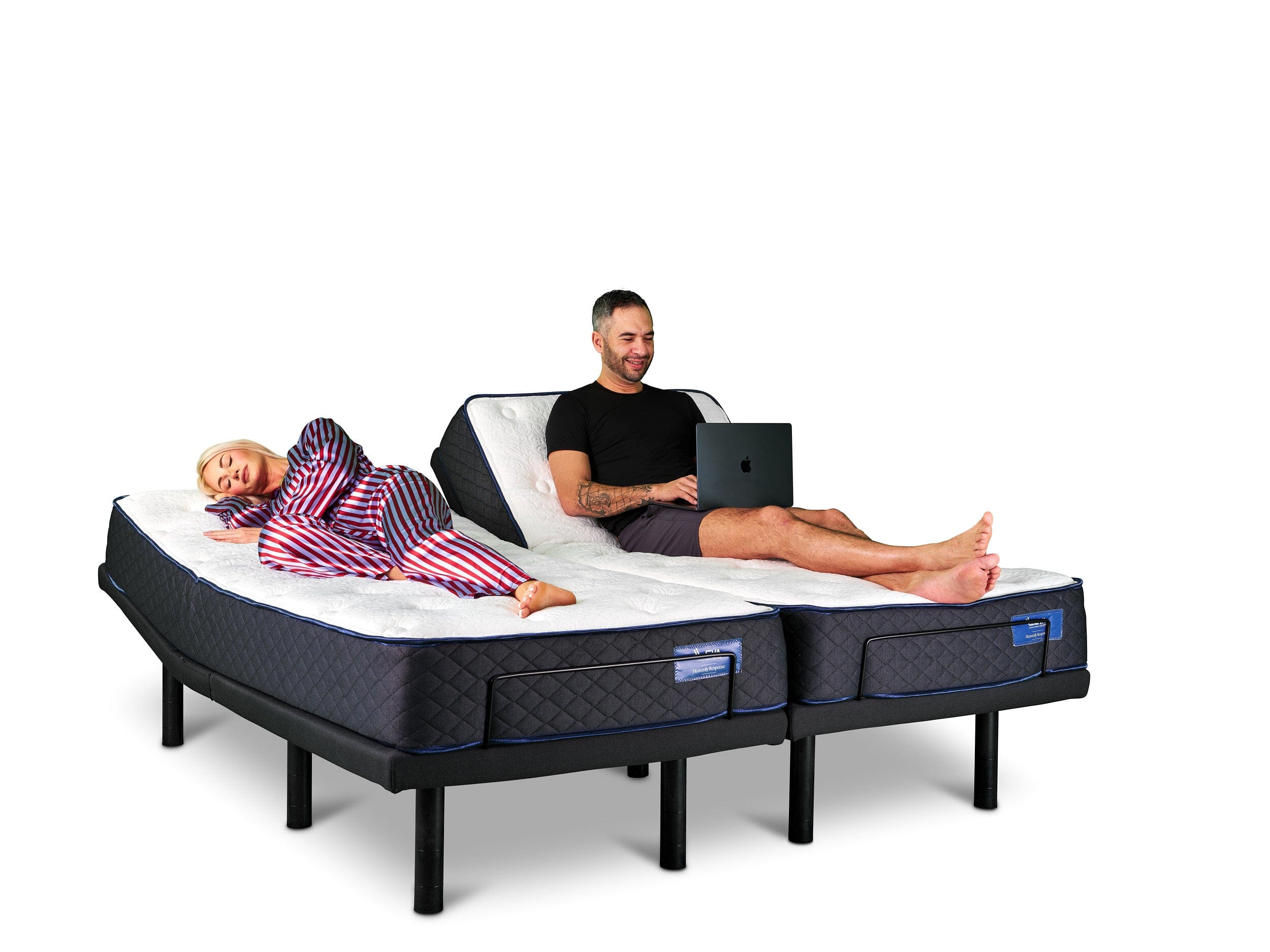
Adjustable beds, especially split designs like those from Leva Sleep, have unique needs compared to flat beds. They move frequently with independent controls, so your mattress cover must adapt to those shifts while keeping air flowing and temperatures in check.
Standard covers often fall short. They can block airflow, trap heat, or bunch up when you adjust positions. If one of you elevates the head to ease snoring while the other tweaks lumbar support for back pain, a low-quality cover might create discomfort or reduce the bed’s effectiveness, interrupting your sleep.
Breathable covers solve this by managing heat, a common issue for couples. With adjustable beds often featuring heating or cooling options, or when partners have different temperature preferences, a good cover helps release excess heat. It ensures your bed’s climate features work properly, even when positions change.
Hygiene is another benefit. Adjustable beds move a lot, which can wear down mattresses and trap moisture or allergens. A breathable cover wicks away dampness, protecting your mattress and reducing the risk of dust mites or bacteria buildup in humid spots.
Want to elevate your sleep? Check out Leva Sleep’s adjustable beds and see how the right setup can improve your rest.
What Makes a Mattress Cover Breathable for Canadian Couples?
Key Elements of Breathability
Breathability comes down to how well a cover handles temperature and moisture. The material is the starting point. For instance, TENCEL™ Lyocell stands out because it pulls moisture away from your skin and lets it evaporate, keeping you and your mattress dry with good airflow.
Another solid choice is Viscose Damask. Viscose Damask offers strong breathability, durability, and resilience, making it a better option than polyester for heat management and long-term use. It’s especially useful for adjustable beds that shift positions often.
The way a cover is made also affects air circulation. It needs to be secure enough to stay put during adjustments but loose enough for airflow. The fabric’s density, measured in GSM (grams per square meter), plays a role too. Higher GSM often means better quality, but a medium range usually works best for breathability without feeling stuffy.
Certifications can help confirm quality for Canadians. GOTS (Global Organic Textile Standard) certification indicates reliable material quality and breathability performance. These standards ensure the cover meets high benchmarks for both comfort and eco-friendliness.
Comparing Cover Materials
Not all mattress cover materials perform the same when it comes to airflow. Knowing the differences helps you pick what suits your temperature needs as a couple.
- Polyester: Common in budget options, it’s durable but traps heat. Polyester offers easy care but lacks the breathability of natural fibers, which can worsen heat issues for couples.
- TENCEL™ Lyocell: Top-tier for airflow and moisture control. TENCEL™ Lyocell keeps surfaces dry and reduces heat buildup better than cotton, ideal for varying Canadian climates.
- Organic Cotton and Bamboo Viscose: Good middle options. Both provide solid breathability and moisture management, great for hot sleepers. But, cotton may hold dampness longer and need more washing.
Watch out for vague labels. Many ‘natural’ blends have little actual natural content. Terms like “Luxury White Fibre” might hide polyester-heavy mixes that limit airflow.
How Leva Sleep Accessories Boost Adjustable Bed Comfort
Leva Sleep gets that every part of your sleep setup needs to work together. Unlike standard retailers, we design accessories tailored for our adjustable beds, especially split models, ensuring they fit perfectly with the base and mattress.
Accessories for adjustable beds need special features. Our fitted sheets, for example, have deep pockets and strong elastic to stay in place during position changes, whether you’re raising your head to stop snoring or adjusting support for back pain.
By managing our own production, Leva Sleep keeps quality high and prices fair. You get premium materials without the hefty cost often tied to custom bedding.
For split beds like our Split Queen, accessories must handle independent movement while keeping the mattress sections aligned. This ensures individual settings, like climate control, work as intended for each partner.
Ready for better sleep? Explore Leva Sleep’s adjustable beds and see how tailored accessories improve your rest.
Choosing the Right Breathable Cover for Your Adjustable Bed
Understand Your Needs as a Couple
Start by looking at your shared sleep challenges. Different issues mean prioritizing different cover features, so knowing your situation helps narrow down choices.
If one or both of you sleep hot, focus on maximum airflow and moisture control. TENCEL™ Lyocell excels here. It offers softness, durability, and effective temperature balance for couples. It moves moisture away, preventing heat buildup during position changes.
For allergy sufferers, combine breathability with anti-allergen properties. Materials like TENCEL™ resist dust mites and bacteria, which is helpful since adjustable beds can stir up allergens with movement. This keeps your sleep space cleaner, especially with Canada’s changing seasons.
Worried about spills? Look for breathable waterproof covers that don’t block air. Five-sided protectors with advanced tech balance waterproofing and airflow, unlike older vinyl options that trap heat.
Checklist for Picking a Breathable Cover
- Material: Go for TENCEL™ Lyocell, Viscose Damask, or GOTS-certified cotton and bamboo. Prioritize airflow, moisture control, and comfort for adjustable beds.
- Fit: Choose covers with strong elastic and deep pockets to handle movement and thicker mattresses without slipping or creating pressure spots.
- Allergen Protection: Opt for naturally hypoallergenic materials over chemical treatments, as they last longer through washes.
- Certifications: Look for GOTS or similar standards. These confirm quality and breathability for Canadian buyers.
- Maintenance: Pick machine-washable covers with durable fibers. They hold up better over time, saving money long-term.
Common Pitfalls When Selecting Breathable Mattress Covers
Choosing Waterproof Over Breathable
Many couples pick waterproof covers for protection, ignoring airflow. Older vinyl or polyurethane layers can block air unless paired with modern fabrics. This negates cooling features in adjustable beds. Instead, seek covers with microporous tech that let air through while stopping liquids.
Believing vague Marketing Claims
Bedding ads often use unclear terms to sound appealing. Avoid labels like ‘Luxury White Fibre’ that may hide polyester blends with poor airflow. Focus on specifics like material names (TENCEL™, cotton), GSM, or certifications for real quality clues.
Ignoring Proper Fit
Adjustable beds need covers that fit just right. Poor fits can bunch up or slip during adjustments, messing with comfort and bed functions. For split beds, a loose cover might create gaps, while a tight one limits movement. Deep pockets are a must for thicker mattresses and added layers.
Skimping on Quality for Cost
Adjustable beds stress covers more than flat beds due to constant movement. Cheap options wear out fast, losing elasticity or breathability. Quality breathable fabrics preserve mattress shape over time, especially with frequent adjustments. Investing in durability saves money down the road.
Feel the difference with a well-designed sleep setup. Visit Leva Sleep’s adjustable beds to build a restful environment for you and your partner.
Quick Answers About Breathable Mattress Covers
Do Breathable Covers Improve Cooling on Adjustable Beds for Hot Sleepers?
Absolutely. A good breathable cover, like one made of TENCEL™ Lyocell, pulls away moisture and disperses heat. This helps maintain a cool sleep surface, especially when adjustable positions might trap heat. For couples with different temperature needs, it boosts cooling on one side without affecting the other’s warmth.
How Do Materials Like TENCEL™, Cotton, and Polyester Compare for Airflow?
TENCEL™ Lyocell leads in breathability, actively moving moisture to keep things dry on adjustable beds. Cotton allows air through but holds dampness longer. Polyester, often in cheaper covers, traps the most heat, reducing the benefits of your bed’s climate features.
Do Breathable Covers Affect Independent Controls on Leva Sleep Beds?
High-quality covers designed for adjustable beds, including Leva Sleep options, adapt to independent zones. Their flexible fit prevents bunching, letting each partner customize settings without issues. Strong elastic and deep pockets keep everything in place during adjustments.
Can Waterproof Covers Still Be Breathable for Couples?
Yes, though older waterproof covers with vinyl reduce airflow, newer ones balance both. Look for five-sided protectors with microporous layers or treated fabrics that allow air to pass while blocking liquids. This protects your bed without losing climate benefits.
How Often Should We Replace Covers on Adjustable Beds?
Plan to replace breathable covers every 2-3 years, depending on use. Adjustable beds wear them out faster. Watch for loose elastic, thinning fabric, lingering odors, or tears at stress points. Higher-quality covers last longer under frequent adjustments, saving you from early replacements.
Wrap-Up: Build Your Best Sleep Setup Now
A breathable mattress cover is more than an add-on; it’s vital for getting the most out of your adjustable bed. For Canadian couples, it’s the key to managing temperature, moisture, and comfort, unlocking the full value of your sleep technology.
We’ve covered how materials like TENCEL™ Lyocell or Viscose Damask can enhance your rest by supporting airflow and hygiene. Pair that with Leva Sleep’s tailored accessories, featuring secure elastic and deep pockets, and you’ve got a setup that meets both partners’ needs.
Avoid common errors like choosing non-breathable waterproofing, trusting vague ads, overlooking fit, or cutting corners on quality. Use the tips here to ensure every part of your sleep system works together for better rest.
Your adjustable bed is an investment in healthier sleep and stronger connection. A quality breathable cover protects that, ensuring features like personalized climate and movement work as intended. Ready for customized comfort? Shop Leva Sleep’s adjustable beds and complete your ideal sleep space today.