Written by: Matthew Timmins, Founder and Managing Director, Leva Sleep
Key Takeaways
- CertiPUR-US certified mattresses help reduce exposure to harmful chemicals and support healthier indoor air in Canadian homes.
- Certified foams avoid substances such as certain flame retardants, heavy metals, and phthalates, which supports both health and the environment.
- Durable, high-performing CertiPUR-US foams provide consistent comfort and support, especially helpful for couples and adjustable bed users.
- Certified mattresses align with more eco-conscious manufacturing practices, so your sleep setup can better reflect your values.
- Pairing a CertiPUR-US mattress with a Leva Sleep adjustable bed can create a comfortable, health-focused sleep system tailored to both partners. Explore Leva Sleep adjustable bed packages.
Why CertiPUR-US Certification Matters to Canadian Sleepers
CertiPUR-US certification gives Canadian sleepers a clear standard for safer foam. This program evaluates the foam in mattresses for content, emissions, and performance, so you know what you are bringing into your bedroom. The certification focuses on reduced VOC emissions, the absence of specific harmful chemicals, and durable construction.
Couples who manage snoring, different comfort preferences, or health concerns benefit from this clarity. A certified mattress offers a dependable foundation for better sleep, without adding unnecessary chemical exposure to the room where you spend many hours each night.
How Leva Sleep Adjustable Beds Complement CertiPUR-US Mattresses
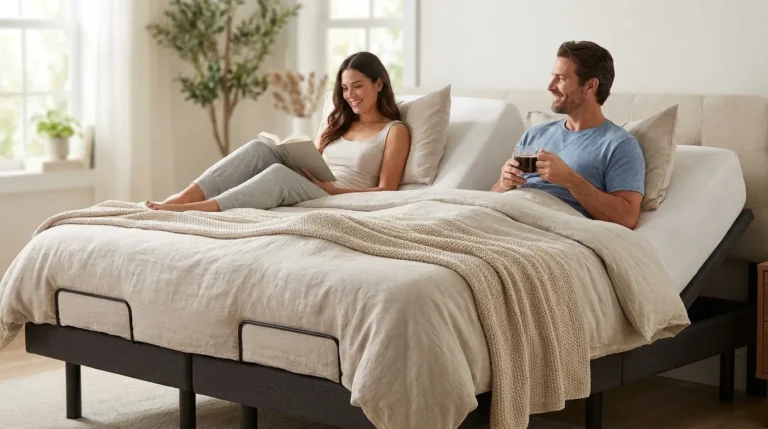
Leva Sleep focuses on building an adjustable base that works well with CertiPUR-US certified mattresses. This combination supports comfort, ergonomic positioning, and cleaner indoor air, which can be especially important for partners who share a bed but not the same sleep needs.
Direct-to-consumer pricing keeps adjustable bed packages more accessible, often at 30 to 50 percent less than many traditional retail options, so you can prioritize support and health while staying within budget.
Key offerings for better sleep
- Whisper-quiet adjustable bases with German-engineered motors for smooth head and foot adjustments.
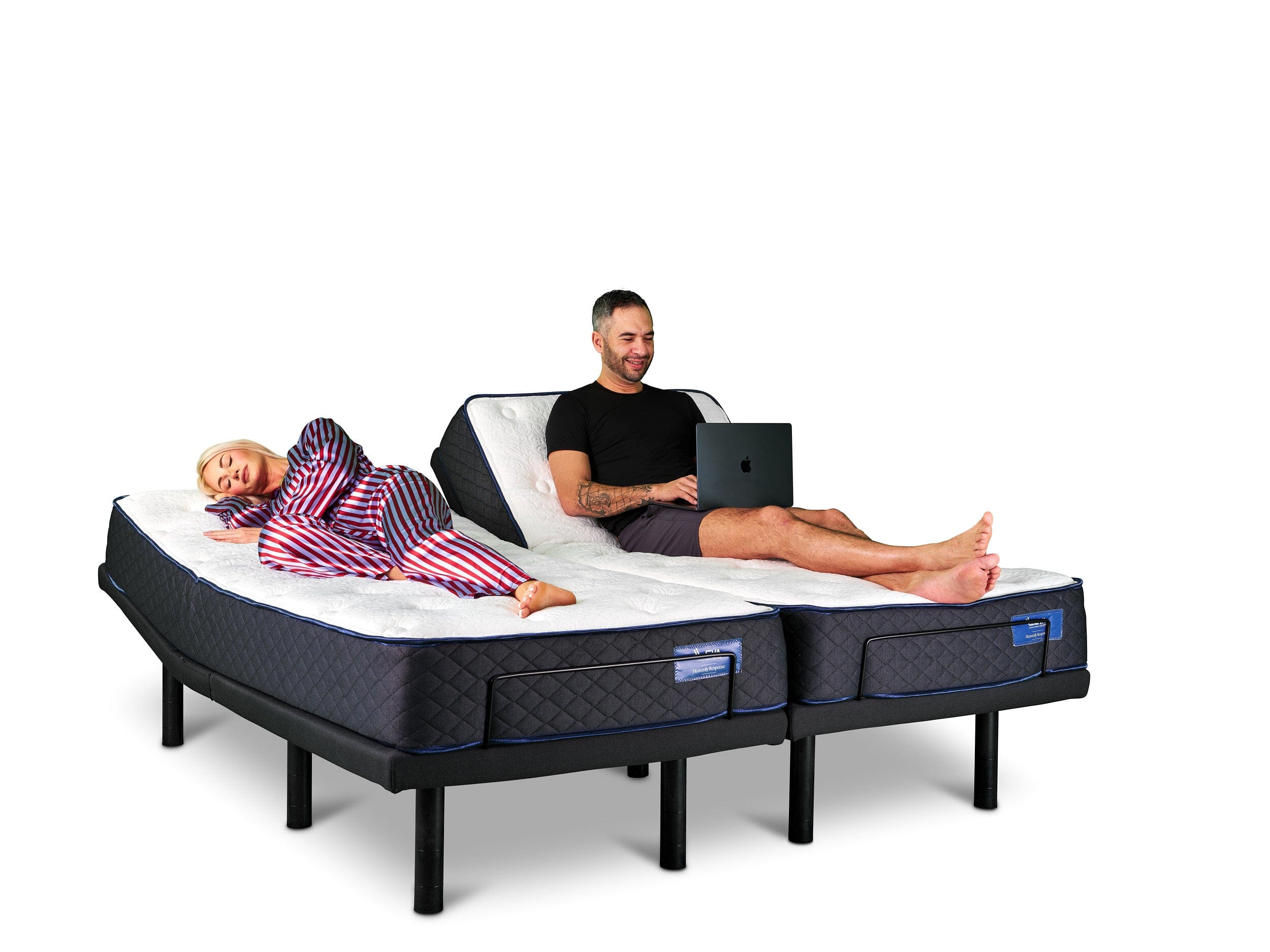
- Split King and Split Queen options for personalized positions on each side of the bed.
- All-foam and hybrid mattresses that use CertiPUR-US certified foams for comfort and support.
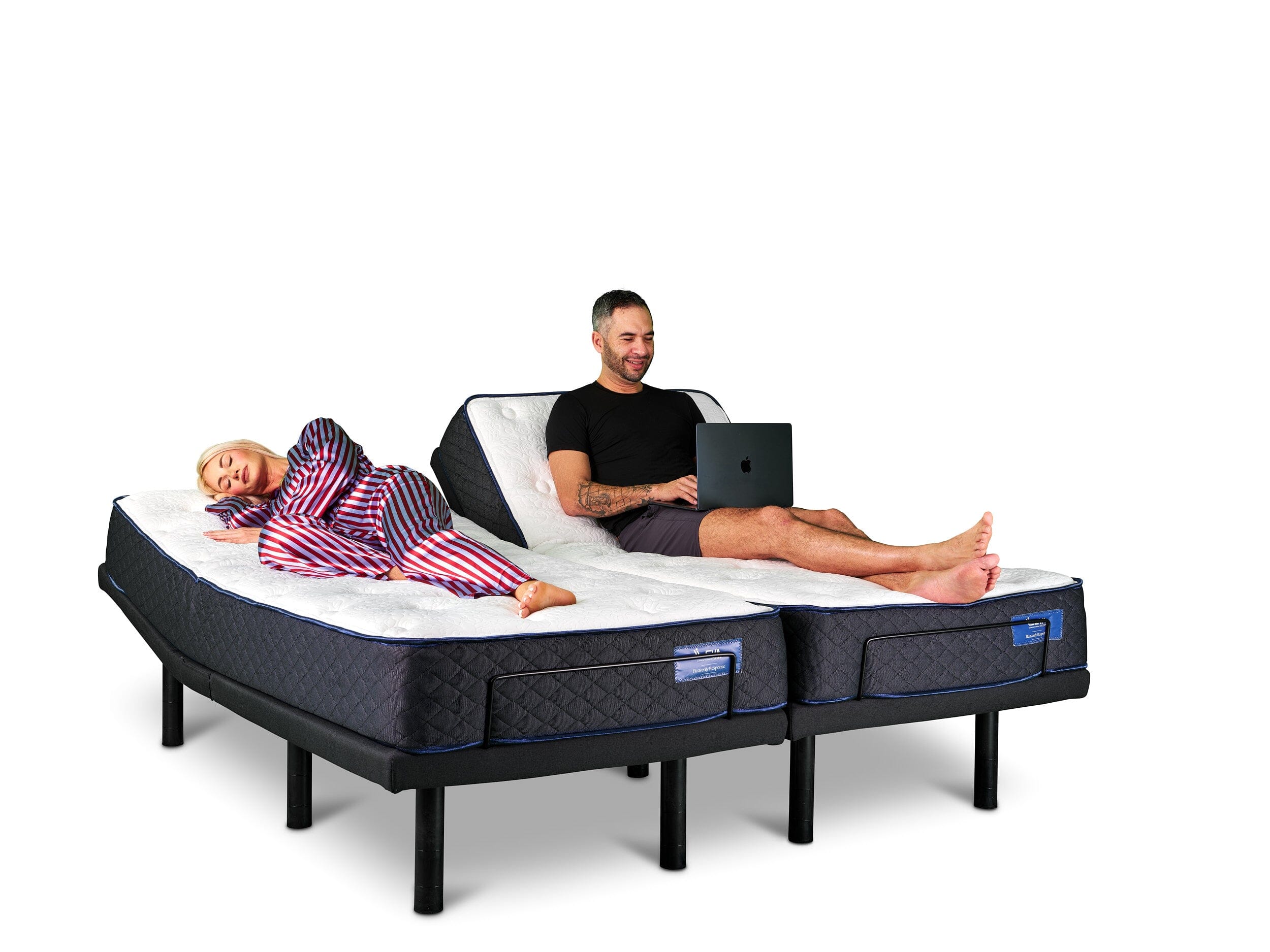
Canadian couples who want a cleaner, more adaptable sleep setup can pair a CertiPUR-US mattress with an adjustable base from Leva Sleep. Browse Leva Sleep adjustable bed packages to see options that fit your room and preferences.
Seven Essential Health Benefits of CertiPUR-US Mattresses
1. Better Indoor Air Quality In Your Bedroom
CertiPUR-US certified foams limit Volatile Organic Compound emissions to less than 0.5 parts per million, which supports cleaner air in your bedroom by keeping VOC levels below this threshold. Indoor air quality ranks among the key environmental health concerns in many homes, and a mattress can be a significant contributor. Lower VOC emissions mean reduced exposure to airborne chemicals that can bother the eyes, nose, throat, and lungs.
This benefit matters for anyone, and it becomes especially important for people with asthma, allergies, or other respiratory sensitivities. Cleaner indoor air supports more comfortable breathing at night, and reduces risk for children and sensitive individuals.
2. Less Exposure To Harmful Chemicals
CertiPUR-US certified foams are produced without several chemicals of concern. These mattresses avoid ozone depleters, lead, mercury, formaldehyde, and certain phthalates, which supports both personal health and environmental protection and helps protect indoor air quality.
The certification also restricts specific flame retardants such as PBDEs, which have been associated with air quality and health concerns under the CertiPUR-US standards. Knowing that your mattress foam avoids these substances can provide reassurance, particularly for households with children, pets, or anyone with heightened health awareness.
3. More Environmentally Responsible Foam Production
CertiPUR-US encourages foam producers to follow standards that reduce environmental impact. Certified foams must be made without ozone-depleting chemicals such as CFCs, and manufacturers follow clear guidelines for emissions and chemical content to support eco-friendlier mattress options.
These standards help align the production process with environmental goals. When you choose a CertiPUR-US mattress, you support manufacturers that commit to more responsible foam formulations, while also investing in your own comfort and health.
4. Reliable Durability And Long-Term Support
CertiPUR-US certification covers more than chemical content. It also evaluates foam durability and performance over time. Certified foams are designed to maintain their shape and support through years of regular use, which supports spinal alignment and overall comfort throughout the mattress lifespan.
Better durability can delay the need for a replacement and helps prevent early sagging or body impressions. Certified mattresses generally last longer than non-certified options, which provides consistent night-to-night support and can deliver better value over time.
5. Reduced Allergy And Respiratory Triggers
Lower VOC emissions and the absence of specific chemicals can reduce potential irritants in your sleep space. This cleaner profile supports people who deal with allergies, asthma, or other breathing issues by limiting common triggers in the immediate sleeping area through decreased exposure to certain substances.
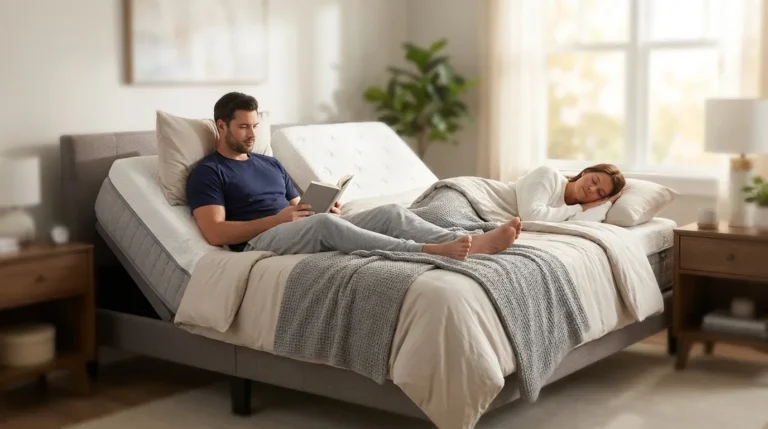
Formaldehyde-free foam and strict VOC limits mean fewer possible irritants in the air around your bed which is especially important for children and sensitive adults. An adjustable bed can enhance this benefit by raising your head and upper body, which often helps reduce snoring and ease breathing at night.
People who live with allergies or respiratory concerns may notice meaningful relief with a cleaner mattress and better sleep position. A CertiPUR-US mattress combined with a Leva Sleep adjustable base can create a more supportive environment for these needs. View Leva Sleep adjustable bed packages to complete your setup.
6. Ongoing Independent Testing For Peace Of Mind
CertiPUR-US certification includes regular third-party laboratory testing, not just a one-time review. Foams are tested twice in the first year and at least annually afterwards, and program administrators can also request unannounced testing to confirm ongoing compliance which helps maintain certification integrity.
This structure gives consumers confidence that certified mattresses continue to meet specific limits for emissions and chemical content over time. You are not relying solely on a brand’s internal claims, because independent labs verify that the foam still satisfies the program’s requirements.
7. Strong Compatibility With Adjustable Beds
CertiPUR-US certified mattresses pair well with adjustable beds because the foam is designed to flex and recover without losing support. This quality is important for positions such as anti-snore, zero gravity, or elevated foot settings, which place different demands on mattress materials.
The cleaner chemical profile of certified foam also aligns with the wellness focus of many adjustable bed users. When you combine ergonomic positioning with a mattress that supports healthier indoor air and consistent pressure relief, you create a more complete, health-forward sleep system.
Frequently Asked Questions (FAQ)
What specifically does CertiPUR-US test for in mattress foams?
CertiPUR-US evaluates mattress foams for several categories of substances. Testing covers ozone depleters, PBDE, TCEP and TDCPP flame retardants, mercury, lead and other heavy metals, formaldehyde, and certain phthalates. The program also confirms that VOC emissions for indoor air quality remain below 0.5 parts per million.
How does a CertiPUR-US certified mattress improve indoor air quality?
Foams that meet CertiPUR-US standards must emit low levels of VOCs, specifically less than 0.5 parts per million. This limit reduces chemical vapours that can circulate in your bedroom air. The result is a cleaner breathing environment, which can support people with asthma, allergies, or other respiratory sensitivities.
Are there environmental benefits to choosing a CertiPUR-US certified mattress?
CertiPUR-US certification supports environmental goals by requiring foams to be produced without ozone-depleting chemicals and by setting standards for specific substances. These requirements encourage manufacturers to use more responsible formulations, which helps reduce the overall environmental footprint of foam production.
Do CertiPUR-US certified mattresses work well with adjustable beds?
CertiPUR-US certified mattresses generally work very well with adjustable beds. The foams are designed to bend and return to shape repeatedly, which suits frequent head and foot adjustments. This combination allows you to benefit from both ergonomic positioning and the cleaner, tested foam used inside the mattress.
How long do CertiPUR-US certified mattresses typically last?
Mattresses that use CertiPUR-US certified foams are tested for durability as part of the program. These foams are built to maintain their support, shape, and comfort for many years of regular use. In many cases, they provide longer-lasting performance compared with non-certified foams, which helps protect your investment.
Conclusion: Building A Healthier Sleep System In Canada
Choosing a CertiPUR-US certified mattress helps support a cleaner bedroom environment, fewer chemical exposures, and consistent comfort over time. The benefits extend to couples who share a bed, people managing allergies or snoring, and anyone who wants more confidence in what they sleep on.
Pairing that mattress with an adjustable bed from Leva Sleep can further improve comfort and breathing, while still respecting your budget and room layout. This combination creates a practical, health-focused sleep system that fits real Canadian households. Shop Leva Sleep adjustable bed packages to find a setup that matches your needs and preferences.