Written by: Matthew Timmins, Founder and Managing Director, Leva Sleep
For Canadian couples using adjustable beds, temperature control can make or break a good night’s sleep. Adjustable beds from Leva Sleep provide tailored comfort with customizable positions, but pairing them with the right cool mattress cover can take your sleep environment to the next level. This guide dives into how these covers address temperature differences, especially for shared beds with varying needs.
We’ll cover the essentials of cool mattress covers made for adjustable beds, from innovative materials to practical design features. Whether you deal with night sweats or just want a cooler sleep surface, you’ll find actionable tips to enhance your rest.
A cool mattress cover isn’t just a nice-to-have. It’s a smart addition that boosts the value of your adjustable bed by maintaining a comfortable temperature. Let’s explore how these covers can improve your sleep quality.
Why Cool Mattress Covers Matter for Adjustable Beds
Adjustable beds excel at providing personalized support with features like head elevation. However, without the right bedding, temperature issues can undermine that comfort. Standard mattress covers often slip during adjustments or fail to manage heat, especially in shared beds where warmth builds up.
For couples in Canada investing in premium adjustable systems, temperature regulation is key. Different sleep positions and elevation settings can trap heat, particularly when sleeping close together. A well-designed cool mattress cover helps balance temperature, ensuring a consistent sleep surface even as the bed moves.
Modern adjustable beds pair best with bedding built to match their functionality. Cool covers often include stretchy fabrics or secure straps to stay in place during position shifts, supporting both comfort and cooling.
Want to get the most out of your sleep setup? Check out Leva Sleep’s adjustable beds and see how the right accessories can improve your nightly rest.
Key Cooling Technologies to Consider
Cooling mattress covers come with various technologies to suit different needs on adjustable beds. Here’s a breakdown of options available to Canadian couples looking to stay cool while sleeping.
Phase-Change Materials (PCMs) for Steady Temperature
Phase-change materials, like Outlast technology first used by NASA, absorb and release heat to maintain a stable sleep surface. These materials work by shifting between solid and liquid states, managing body heat throughout the night.
This approach helps reduce overheating and sweat, especially useful on adjustable beds where position changes can create hot spots. For couples, PCMs adapt to each partner’s movements, keeping both sides comfortable.
Specialty Fabrics Like GlacioTex for Instant Coolness
Fabrics such as GlacioTex are engineered to pull heat away from your body, giving a cool-to-the-touch feel right when you lie down. These covers work well with adjustable beds, often featuring elastic straps to stay secure during elevation or massage settings.
The benefit lies in their quick response to temperature shifts, offering immediate relief for those who overheat easily.
Natural Materials for Breathable Comfort
Materials like Talalay latex, organic cotton, and wool provide natural cooling through breathability and moisture-wicking properties. They’re also eco-friendly, appealing to those prioritizing sustainability.
Latex, in particular, holds its shape during frequent bed adjustments, making it ideal for dynamic sleep setups. Wool and cotton enhance airflow, balancing temperature even in elevated positions.
Gel-Infused Memory Foam for Heat Release
Gel-infused memory foam helps release body heat from the surface, though it can retain warmth over time if not paired with a breathable cover. This option works best on adjustable beds when airflow is prioritized.
For users who shift positions often, combining gel foam with ventilated materials prevents heat buildup, ensuring consistent comfort.
Design Features for Adjustable and Split Beds
Adjustable beds, including split designs, have unique needs that standard bedding can’t always meet. Here’s what to look for in a cool mattress cover to ensure it works with your setup.
Secure Fit for Constant Movement
A good cooling cover stays put during bed adjustments. Look for deep pockets to fit thicker mattresses, strong elastic bands to maintain tension, and corner straps to prevent slipping or bunching.
Flexibility is also crucial. The cover should retain its cooling ability whether the bed is flat or elevated, adapting to positions like zero-gravity without creating air gaps.
Support for Split Beds and Dual Preferences
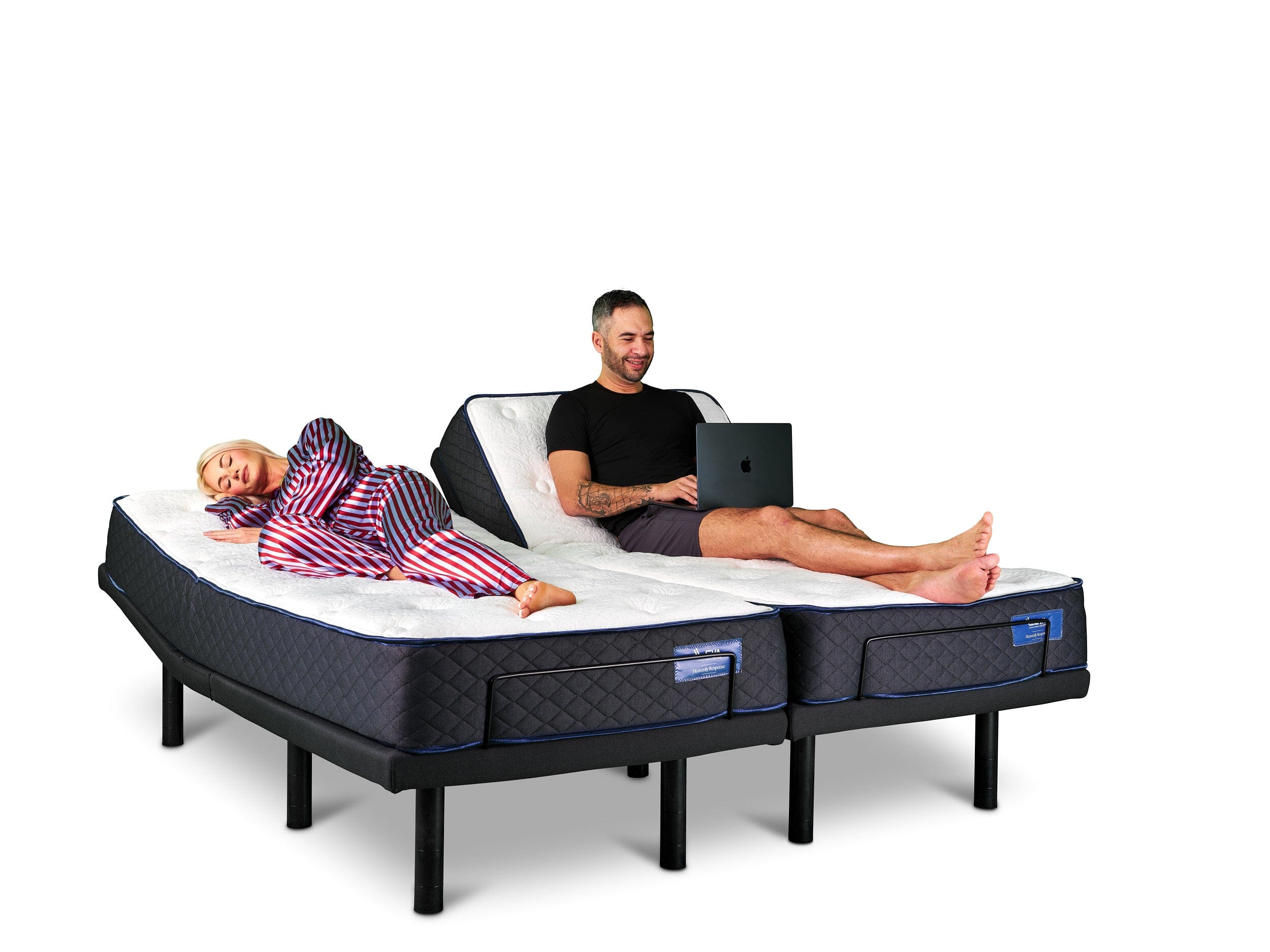
Split adjustable beds let each partner control their side separately. Cooling covers for these setups often come in options like Luxury Plush or Firm, allowing customization for comfort and temperature needs.
The design should minimize heat transfer between sides, ensuring each person’s cooling level remains independent while keeping the bed feeling connected.
Improved Airflow During Adjustments
Elevation changes can disrupt air circulation. Hybrid covers with microcoils and foam layers enhance breathability, supporting airflow no matter the bed’s position.
These designs also account for adjustable bed mechanics, ensuring ventilation around motors or split sections for even cooling across the surface.
Durability Under Frequent Motion
Adjustable beds move a lot, so cooling covers need to withstand wear. Natural latex stands out for its ability to resist shape loss during repeated adjustments, offering lasting performance.
Quality covers should also maintain their thermal properties over time, adapting quickly to position changes without losing cooling effectiveness.
How to Pick the Best Cool Mattress Cover for Your Needs
Choosing a cooling cover for your adjustable bed depends on your sleep habits, bed type, and budget. Use these steps to find a match that enhances your rest.
Evaluate Your Temperature Needs
Start by noting how you and your partner sleep. Do you wake up hot or sweaty? Does one of you need more cooling than the other? Consider factors like medications or conditions that affect body heat.
Track when temperature disrupts your sleep. If adjusting the bed doesn’t help, a targeted cooling solution could address the issue.
Match Your Bed’s Specifications
Your bed type matters. Split King or Queen beds need covers that handle independent movement. Single beds require uniform cooling across the surface. Measure your mattress thickness and note any special features to ensure a proper fit.
Think about how you use your bed. Frequent massage or zero-gravity settings demand a cover that stays secure and effective under those conditions.
Weigh Cost Against Long-Term Value
Cooling covers range in price based on materials and features. Higher-end options with natural materials may cost more upfront but last longer, saving money over time.
Look at maintenance needs and how often you might need replacements. Features like dual firmness or advanced cooling tech can justify a higher cost if they solve ongoing sleep issues.
Keep Up With Care and Maintenance
Maintaining your cover ensures it keeps cooling effectively. Natural materials like latex often need spot cleaning, while synthetic fabrics may be machine-washable with specific care to avoid damage.
Phase-change materials require gentle washing and no high heat to preserve their function. Rotate covers if possible, use protectors, and follow care guidelines to extend their life.
Leva Sleep’s Tailored Cooling Solutions
At Leva Sleep, we focus on creating a complete sleep system, not just an adjustable bed. Our accessories are designed to pair perfectly with our bases, ensuring every element enhances your rest.
Our sheets and protectors feature extra elasticity and secure fits to handle bed movements. This keeps cooling in place, no matter how often you adjust positions during the night.
We also offer a Heating & Cooling Pad for adjustable bases, giving you control over temperature alongside positional comfort. Every piece in our lineup works together for better sleep.
Don’t settle for bedding that doesn’t match your bed’s capabilities. Explore Leva Sleep’s adjustable beds and see how our integrated accessories can elevate your sleep experience.
Common Mistakes to Avoid When Choosing a Cooling Cover
Even savvy shoppers can slip up when picking a cool mattress cover for an adjustable bed. Here are pitfalls to watch out for, ensuring your choice delivers real results.
- Not all cooling claims are equal. Some covers only allow minimal heat escape, while active tech like PCMs manages temperature better. Check what’s behind the label if you’re a hot sleeper.
- Standard covers often lack the stretch for adjustable beds, leading to slipping and uneven cooling. Always opt for designs made for moving bases.
- Cheap covers wear out fast under constant adjustments, losing cooling over time. Spending more upfront on quality can save replacement costs later.
- Ignoring your partner’s needs can cause new sleep issues. A cover too cool for one might leave the other uncomfortable, so balance both preferences.
- Skipping care instructions risks damaging advanced cooling features. Follow guidelines to maintain performance and avoid early wear.
Leva Sleep: Your Partner in Better Sleep
We know great sleep takes more than just a bed. At Leva Sleep, our cooling accessories are built to enhance adjustable bases, helping Canadian couples achieve restful nights through thoughtful design.
Our bedding, like deep-pocket covers and flexible materials, ensures cooling stays effective during adjustments. Every accessory meets high standards for compatibility with our bases.
Through direct sales, we keep prices 30-50% lower than similar luxury brands without cutting corners on quality. You get value and performance in one package.
Ready to upgrade your sleep setup? Visit Leva Sleep’s adjustable beds and learn how our full-range solutions can improve your rest and connection with your partner.
Your Questions About Cooling Covers Answered
Do Cool Mattress Covers Help Couples With Different Temperature Needs?
Absolutely. Quality cooling covers with active materials or breathable fabrics manage temperature differences effectively. On adjustable beds, especially Leva Sleep’s split systems, they support individual adjustments while maintaining comfort for both partners.
How Do I Keep My Cover in Place on a Leva Sleep Bed?
Choose a cover designed for adjustable beds with deep pockets and strong elastic bands. Corner straps add extra security during movement. Leva Sleep accessories are built for our bases, ensuring a snug fit. Measure your mattress and pick a cover with slightly deeper pockets for the best hold.
Are Natural Materials Like Latex or Wool Good for Cooling?
Yes, these materials offer natural airflow and moisture control. Talalay latex promotes ventilation with its open structure, while wool balances heat by wicking moisture. Organic cotton adds breathability. They’re durable for frequent adjustments, adapting well to changing positions.
How Should I Clean My Cooling Cover to Preserve Its Features?
Care varies by material. Phase-change tech needs gentle washing and low heat drying. Latex often requires spot cleaning, while wool may need special detergents. Follow manufacturer tips, rotate multiple covers to reduce wear, and use protectors for longevity.
Which Cooling Technology Fits My Sleep Needs?
Your choice depends on specific challenges. Phase-change materials handle intense heat or night sweats. Fabrics like GlacioTex cool on contact for quick relief. Latex or wool suit moderate needs with steady airflow. Gel foam works for initial cooling if paired with ventilation. Factor in medical conditions and bed usage to decide.
Final Thoughts: Build a Cooler Sleep Environment
A well-chosen cool mattress cover can significantly improve your adjustable bed experience, offering better temperature control for Canadian couples. This guide covered key technologies, design elements, and selection tips to match your sleep setup.
Options range from heat-managing phase-change materials to breathable latex and wool, addressing various comfort needs. The focus is on compatibility with adjustable systems for reliable cooling in any position.
Pairing your bed with the right cooling accessory enhances overall rest. Leva Sleep’s coordinated approach ensures every component, from quiet motors to tailored bedding, supports your sleep quality.
Take the next step to better rest. Browse Leva Sleep’s adjustable beds and find accessories that complement your setup for improved comfort and shared sleep.