Written by: Matthew Timmins, Founder and Managing Director, Leva Sleep
Getting a Leva Sleep adjustable bed means you’re serious about better sleep and tailored comfort. But picking the right sheets for this setup matters just as much to get the most out of it. This guide helps couples figure out whether cotton or polyester sheets work best with their adjustable bed. We’ll look at comfort, temperature control, durability, and care needs while showing how Leva Sleep’s bedding fits perfectly and boosts performance. Knowing how each material works with adjustable bed features can help you choose what improves your rest and keeps both partners comfortable.
Why Sheets Make a Difference on Adjustable Beds
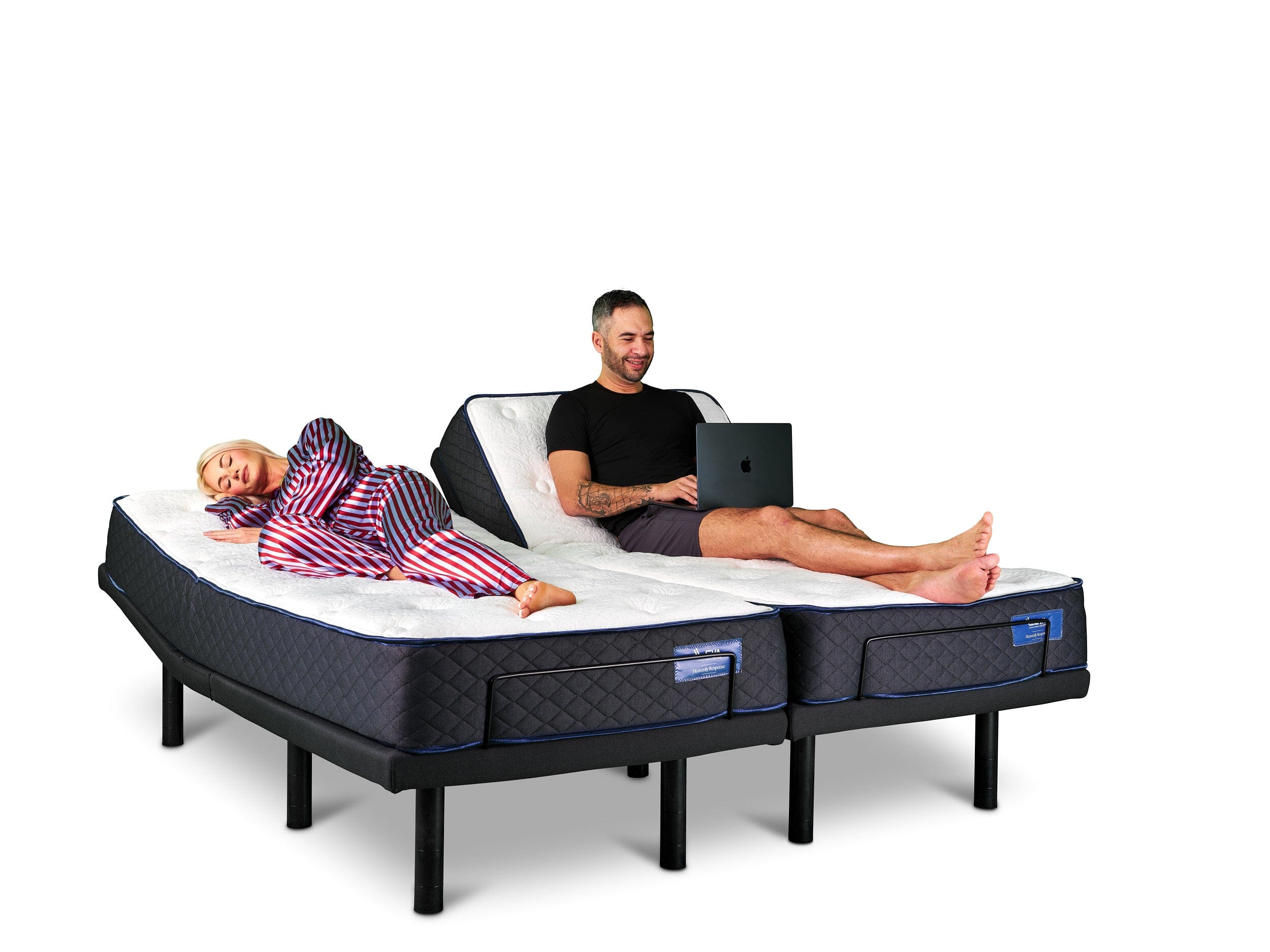
Standard sheets often don’t work well on adjustable beds. They slip off when the bed moves, bunch up at the head or foot, or lose their stretch over time. This can be especially frustrating for couples using different settings at night or for those with medical needs requiring specific positions.
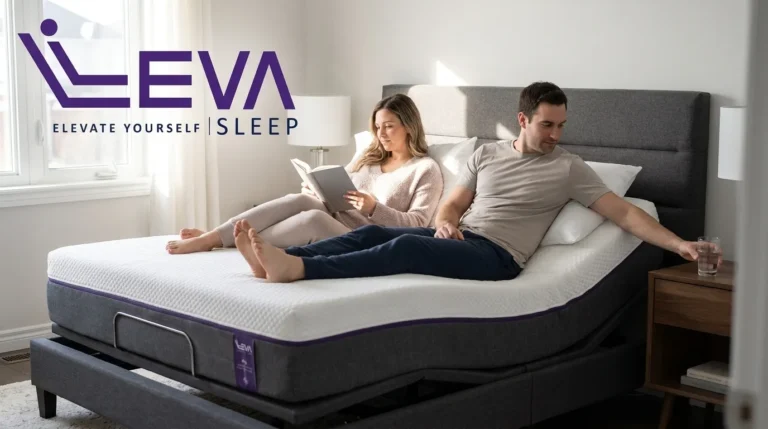
Sheet material affects more than just looks or initial feel. For couples with different sleep preferences, the wrong choice can mess with temperature balance. One partner might feel too warm while the other is fine. Cotton breathes naturally, helping hot sleepers stay cool, while polyester holds warmth, which can suit those who feel chilly.
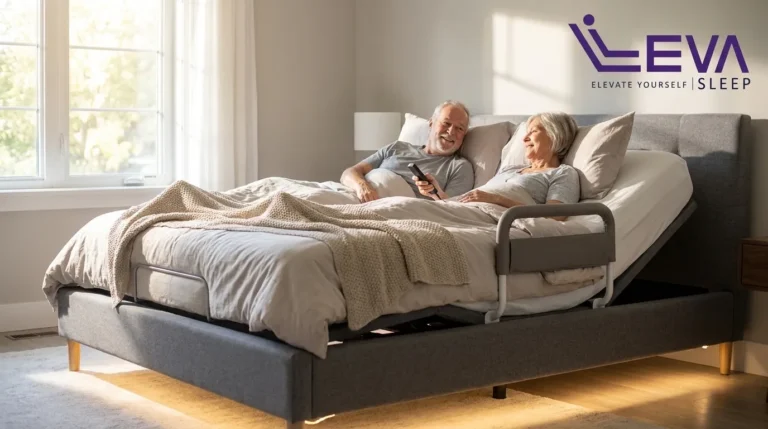
Leva Sleep adjustable bases offer a solid foundation with quiet, precise motors. This smooth operation reduces strain on sheets, whether you pick cotton or polyester. Plus, Leva Sleep’s bedding extras, like fitted sheets with strong elastic and handy remote pockets, keep everything in place no matter how you sleep.
Explore Leva Sleep adjustable beds to see how smart design improves bedding fit and sleep quality.
What to Know About Cotton Sheets on Adjustable Beds
Key Features of Cotton Sheets
Cotton sheets have long been a favorite for their softness and breathability. The natural fibers allow air to flow, keeping you cooler than most synthetic options. Beyond comfort, cotton feels familiar and often gets better with washing over time.
Thread count matters when choosing cotton for adjustable beds, which can stress bedding more than flat beds. Quality beats high numbers here. Long-staple types like Egyptian cotton perform better even at lower counts. Egyptian cotton stays soft and durable with fewer threads due to its long fibers. Aim for 200-400 thread count for regular cotton or 300-800 for Egyptian cotton to balance comfort and strength on an adjustable bed.
Benefits for Your Leva Sleep Bed
Cotton’s airflow helps couples who sleep at different temperatures or deal with night sweats. Cotton naturally wicks moisture and breathes well, keeping each sleeper comfortable. This works great on Leva Sleep split beds, where partners adjust positions without affecting each other’s coolness.
The fabric also softens with each wash, creating a cozy feel that many couples enjoy. Over time, this quality makes cotton sheets a lasting choice for better sleep.
Paired with Leva Sleep features like anti-snore settings or lumbar support, cotton prevents heat buildup during position changes. Its soft texture adds comfort as the bed adjusts through the night.
Things to Consider with Cotton
High-quality cotton lasts well, but cheaper versions may shrink or thin out, especially with poor care. Low-grade cotton often wears down after repeated washing. This wear can worsen on adjustable beds due to frequent movement and the need for a tight fit.
Cotton wrinkles more than synthetics, which might affect how your bed looks. With proper care, though, a crisp finish can add a polished touch to match Leva Sleep’s sleek design.
For the best fit on Leva Sleep beds, ensure cotton sheets have deep pockets and strong elastic. Standard sizes might not handle the bed’s motion, so consider Leva Sleep’s tailored options.
Breaking Down Polyester Sheets for Adjustable Beds
What Makes Polyester Different
Polyester sheets use synthetic fibers built for strength and easy upkeep. Unlike cotton, they hold their shape and look through many washes, appealing to those who want low-effort bedding.
Don’t get caught up in high thread counts with polyester. Some brands push big numbers that don’t mean better comfort. High thread counts in polyester or blends don’t guarantee a better feel. Instead, check the weave and fiber quality when picking polyester sheets.
Advantages for Leva Sleep Users
Polyester resists stretching and shrinking, handling the wear from adjustable bed movements. Polyester lasts longer without thinning or pilling. This makes it a solid pick for beds that change positions often, as it keeps its fit over time.
These sheets also resist wrinkles and stains, keeping your bed looking tidy with little work. This is handy for guest rooms or main bedrooms where looks count, even after nightly adjustments.
Polyester pairs well with Leva Sleep’s smooth motor adjustments. While the bed shifts quietly, polyester stays neat and secure, blending function with a clean appearance.
Points to Note with Polyester
Polyester traps heat and moisture, which can bother sleepers who run warm or sweat at night. Polyester often holds in warmth and dampness. This can be an issue on Leva Sleep split beds if one partner needs a cooler sleep space.
The feel of polyester differs from cotton, sometimes seeming slick or less airy on the skin. Polyester can feel less breathable and smoother in texture. Couples used to natural fibers might need time to adapt to this.
Still, quality polyester sheets can complement Leva Sleep’s heating and cooling options, balancing out warmth issues for a better sleep experience.
Cotton vs. Polyester: Comparing Sheets for Leva Sleep Beds
|
Feature |
Cotton Sheets |
Polyester Sheets |
Best Suited For |
|
Comfort/Feel |
Crisp and soft, gets better with time, natural touch. |
May feel slick or synthetic, less natural fit. |
Those who like a natural, softening texture over time. |
|
Breathability |
Great airflow and moisture control, good for staying cool. |
Holds heat and moisture, can sleep warmer. |
Hot sleepers, warm climates, or couples with temperature differences. |
|
Durability |
Quality cotton lasts, but may shrink or thin if poorly maintained. |
Very durable, resists pilling and stretching. |
Those wanting long-lasting sheets, especially with frequent bed adjustments. |
|
Maintenance |
Prone to wrinkles, needs careful washing for fit and shape. |
Wrinkle and stain resistant, easy to wash, less ironing. |
People wanting hassle-free care and neat-looking sheets. |
This table shows how each material offers unique strengths for adjustable beds. Cotton stands out for natural comfort and cooling, ideal for couples who value breathability and a classic feel. Polyester shines in durability and ease of care, suiting busy homes or those adjusting their bed often.
Discover Leva Sleep adjustable beds and see how our design enhances both cotton and polyester sheet performance.
Boost Your Rest with Leva Sleep’s Bedding Solutions
Leva Sleep goes beyond just beds and mattresses by offering bedding extras that improve how any sheet works on an adjustable setup. Our team knows even top-quality cotton or polyester sheets need the right support to function well with moving beds.
Here’s how our accessories help:
- Deep pocket fitted sheets with strong elastic keep sheets secure during adjustments, fitting any material through all bed positions.
- Duvet clips hold bedding in place, even with separate elevations, while remote pockets store controls neatly without slippage.
- Mattress protectors, made for adjustable beds, shield against spills and allergens, supporting cotton’s airiness and reducing polyester heat issues.
These features show Leva Sleep’s focus on a full sleep setup where every piece fits together. Instead of forcing regular bedding to work, our solutions help any sheet type perform better, offering couples lasting comfort and reliability.
Choosing Sheets for Your Leva Sleep Adjustable Bed
Pick Cotton If You Value Natural Comfort
Go for cotton sheets if you like a natural feel and better temperature control. They wick moisture and let air flow, perfect for couples where one sleeps hot or deals with night sweats. Cotton also softens over time with washing, becoming cozier for long-term use on your Leva Sleep bed. For medical needs or elevated positions, cotton avoids heat buildup with features like anti-snore mode.
Go with Polyester for Easy Care and Strength
Choose polyester if you want sheets that look good with little effort and last through wear. Their wrinkle and stain resistance suits busy couples or frequent bed adjusters. Polyester offers steady performance that doesn’t change much over time, and its elastic fit holds well on Leva Sleep beds through multiple settings.
Solutions for Couples with Mixed Preferences
Leva Sleep’s Split Queen and King beds help couples with different needs. Independent controls let each partner adjust elevation and firmness, and even use different sheet types if needed. Pair cotton with our cooling pads for one side, or use polyester with temperature controls to manage warmth. This setup lets you mix materials on split beds for a custom sleep space.
Check out Leva Sleep adjustable beds to learn how split designs meet individual needs while keeping couples close.
Common Questions About Sheets on Adjustable Beds
Does Higher Thread Count Mean Better Sheets for Adjustable Beds?
Thread count isn’t the only measure of quality, especially on adjustable beds where sheets face extra stress. For cotton, aim for 200-400 threads in regular types or 300-800 in Egyptian cotton for a mix of comfort and strength. High counts can mean weaker fibers, lowering durability. With polyester, thread count doesn’t reflect feel, so focus on weave and fit features like deep pockets from Leva Sleep instead.
Do Regular Sheets Work on Leva Sleep Adjustable Beds?
Standard sheets might fit at first but often fail during use. They slip off or bunch up when the bed adjusts, losing stretch over time. Leva Sleep’s custom sheets have deeper pockets and reinforced elastic to stay put through all movements. Using sheets made for adjustable beds improves comfort and protects your bedding investment.
Which Material Suits Couples with Different Temperature Needs?
Cotton, especially percale, breathes better than polyester, making it a top pick for couples with varied temperature preferences. It allows air flow and pulls moisture away, keeping sleepers comfortable. This matters on Leva Sleep split beds where positions create different needs. Polyester can trap warmth, but our heating and cooling options help adjust for comfort with either material.
How Do Leva Sleep Accessories Enhance Sheet Performance?
Leva Sleep accessories tackle challenges adjustable beds pose to regular bedding. Deep pocket sheets with extra elastic adapt to bed movements, stopping slippage. Duvet clips keep covers aligned during separate adjustments, and remote pockets prevent lost controls. These work with cotton or polyester, boosting their strengths and solving common adjustable bed issues.
Does Leva Sleep Offer Full Bedding Solutions?
Yes, Leva Sleep provides a range of bedding extras designed for adjustable beds. From fitted sheets with secure elastic to duvet clips, mattress protectors, and remote storage, everything integrates with our technology. These pieces support cotton and polyester equally, ensuring a unified sleep system that maximizes comfort and durability for couples with different needs.
Wrap-Up: Optimize Sleep with Sheets and Leva Sleep Beds
Deciding between cotton and polyester sheets for your Leva Sleep adjustable bed comes down to lifestyle, comfort needs, and partner preferences. Cotton offers natural cooling and a softening feel over time, great for heat-sensitive sleepers or those who love classic bedding. Polyester brings strength and easy upkeep, ideal for busy homes or consistent performance.
Leva Sleep stands out by improving how any sheet works. Our bedding extras, like secure fitted sheets and mattress protectors, ensure cotton and polyester fit and function well on adjustable bases. Paired with quiet motors and features like split controls, we craft a sleep setup where every part supports personal comfort.
For couples with differing needs, Leva Sleep’s split designs allow custom adjustments and material choices while sharing a bed. The right sheets, matched with our technology, reduce frustrations and extend bedding life for better rest.
Improve your sleep with a setup that works together for ideal comfort. Visit Leva Sleep adjustable beds and bedding options to find how the right mix of design and materials can enhance your rest and relationship.