Written by: Matthew Timmins, Founder and Managing Director, Leva Sleep
Snoring disrupts sleep, affects health, and strains relationships for many Canadian couples. This guide covers the causes and effects of snoring, explores practical solutions from lifestyle tweaks to technology, and focuses on how Leva Sleep’s adjustable split beds with anti-snore features can help couples enjoy quiet, restful nights together.
Snoring’s Impact: How It Affects Your Sleep and Relationship
Health and Sleep Challenges for Both Partners
Snoring harms sleep quality for both the snorer and their partner. It often leads to daytime fatigue and irritability due to disrupted rest. The snorer faces broken sleep from micro-awakenings, while their partner struggles with constant noise, missing out on deep, restorative sleep.
Poor sleep triggers a range of health issues. Concentration drops, immune systems weaken, and accident risks rise. More critically, ongoing snoring can signal heart-related concerns like high blood pressure. Both partners face these risks, leaving them physically and mentally drained.
The emotional impact adds another layer of difficulty. Lack of sleep increases stress, lowers patience, and makes it harder to manage emotions, which can strain even strong bonds over time.
Relationship Tension and the “Sleep Divorce” Issue
Snoring often grows from a small irritation into a major issue for couples. Nightly disturbances breed frustration, with the non-snorer dreading bedtime and the snorer feeling helpless about something they can’t control.
Many turn to sleeping in separate rooms, often called a “sleep divorce,” to regain rest. While this cuts the noise, it reduces closeness and shared comfort, weakening emotional ties. Financially, it can also mean extra costs for new beds or room setups, making a shared solution both a relationship and budget priority.
Health Warnings Behind Snoring
Snoring sometimes points to bigger problems. It can be a sign of obstructive sleep apnea, which disrupts breathing and raises risks for heart disease or diabetes. Loud snoring with gasping or pauses in breathing needs a doctor’s attention right away.
Even milder snoring that affects sleep quality deserves focus. Positional changes and elevated sleeping, which adjustable beds support, often help manage snoring effectively for many people.
What Causes Snoring and Why It Happens
How Snoring Works: Airway and Tissue Interaction
Snoring occurs when air moves through relaxed throat tissues during sleep, causing them to vibrate. This happens as muscles loosen and the airway narrows, creating turbulence and noise. The sound comes from tissues vibrating due to partial airway blockage.
Knowing this process shows why position matters. Raising the head helps gravity keep the airway open, reducing tissue collapse and the resulting sound.
Main Triggers of Snoring
Several factors contribute to snoring. Here are the key ones:
- Sleeping on your back increases airway collapse, so side sleeping often helps.
- Physical traits like a thick soft palate or enlarged tonsils narrow the airway.
- Alcohol, congestion, and lack of sleep worsen muscle relaxation in the throat.
- Extra weight around the neck adds pressure to the airway, raising snoring risk.
- Nasal issues from allergies or a deviated septum force mouth breathing, increasing snoring.
First Steps to Ease Snoring: Simple Changes to Try
Practical Tips for Snoring Relief
Small adjustments can make a difference in reducing snoring. Consider these steps:
- Losing even a little weight can lessen airway pressure and cut snoring.
- Skip alcohol close to bedtime to keep throat muscles firmer during sleep.
- Manage allergies with medication or nasal strips to improve airflow and reduce mouth breathing.
- Encourage side sleeping with pillows or other aids to avoid airway blockage.
Why Basic Fixes May Not Work for Couples
While these changes help some, they often don’t fully solve persistent snoring or meet couples’ varied needs. Homemade position aids like tennis balls can be awkward and disrupt sleep further. Nasal strips or mouthpieces might not tackle the core issue of airway position and can feel uncomfortable over time.
For couples, individual fixes ignore differing comfort preferences or snoring causes. Most of these options lack customization, failing to adapt to changing conditions or sleep patterns, which limits their effectiveness.
Leva Sleep Adjustable Split Beds: A Focused Solution for Couples
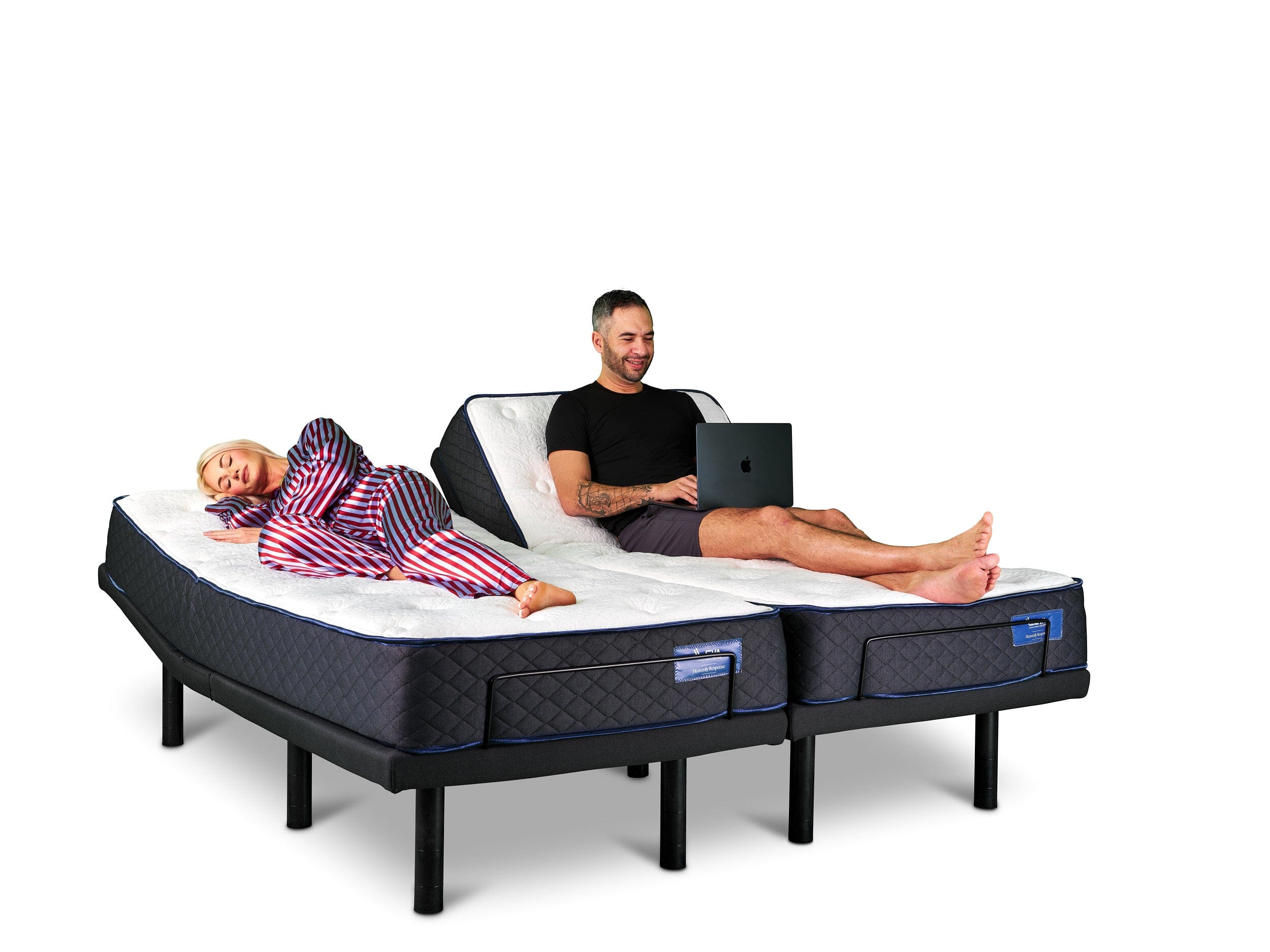
Leva Sleep offers adjustable split beds designed for Canadian couples to address snoring with targeted technology and personalized features. These beds use smart positioning to manage airway issues, providing a practical option for better shared sleep.
Key Features for Snoring Reduction
- Split King and Queen setups allow each partner to adjust their side independently for snoring relief without affecting the other.
- Quiet German motors ensure adjustments happen without noise, preserving sleep for both partners.
- Anti-snore mode detects snoring and gently raises the head to open airways using gravity.
- The Leva Sleep app lets users customize positions and settings, tailoring snoring solutions to individual needs.
Ready to improve your sleep and connection? Explore Leva Sleep’s adjustable beds with anti-snore features now.
Added Value: How Leva Sleep Enhances Couples’ Rest
Custom Head Elevation for Better Airflow
Leva Sleep beds adjust head positions precisely to keep airways open, tackling snoring at its root. Couples can set exact angles for comfort, avoiding strain in the neck or back. This setup also helps with issues like acid reflux, offering broader sleep benefits.
Separate Controls for Shared Comfort
With split designs, each partner controls their side without disturbing the other. Different elevation or massage levels can be set, ensuring personal comfort while sharing a bed. The app makes it easy to adapt settings as needs change, like during allergy seasons.
Broader Health Benefits Beyond Snoring
Elevated positions aid mild sleep apnea by improving breathing, possibly reducing reliance on devices like CPAP. They also ease acid reflux by keeping stomach acid down. For joint or back pain, leg elevation and lumbar support improve rest and morning ease.
Deeper Rest and Renewed Closeness
Custom settings help both partners sleep through full cycles, boosting memory, immunity, and mood. Features like massage and temperature control add relaxation, easing bedtime stress. Many couples find reduced snoring brings back shared comfort and intimacy.
Why Leva Sleep Stands Out for Canadian Couples
|
Feature |
Traditional Flat Bed |
Basic Adjustable Base |
Leva Sleep Adjustable Split Bed |
|
Snoring Reduction |
None |
Minimal positioning |
Smart anti-snore mode, exact head elevation |
|
Personal Control |
None |
Limited, often shared |
Full independence per side |
|
Adjustment Noise |
Not applicable |
Often noticeable |
Silent German motors |
|
Relationship Impact |
Can strain bonds |
Some disruption risk |
Supports peaceful shared sleep |
Leva Sleep beds go beyond basic options by addressing snoring thoroughly while improving overall rest. Silent operation prevents new disturbances, and app-based controls adjust positions automatically for consistent relief.
Discover better sleep with tailored technology. Check out Leva Sleep’s adjustable beds trusted by many Canadian couples.
Smart Features for Today’s Couples
Leva Sleep integrates advanced tools into a complete sleep system. AI tracks patterns to prevent snoring before it starts by adjusting positions proactively. Heating and cooling options let each partner set their ideal temperature, aiding congestion-related snoring. Vibrating alarms wake one person without disturbing the other, maintaining rest gains.
Quality and Cost: Canadian Craftsmanship at Fair Prices
Leva Sleep’s direct model and Canadian production deliver high-end features at lower costs, often 30-50% less than similar products. This investment can offset expenses from sleep issues or separate setups. White-glove delivery ensures a smooth start without assembly hassles.
Common Questions About Snoring and Adjustable Beds
Do Adjustable Beds Help Reduce Snoring?
Leva Sleep’s adjustable beds significantly cut snoring for many by positioning the head to keep airways open. Most users notice quieter nights soon after starting, with some stopping disruptive snoring entirely.
How Does Anti-Snore Mode Function on Leva Sleep Beds?
The anti-snore mode uses sensors to detect snoring and slowly raises the head in small steps until breathing eases. It adapts over time to each person’s patterns, with customizable app settings for sensitivity.
Can Couples with Different Needs Use Leva Sleep Beds?
Yes, Split King and Queen designs offer separate controls for each side. Partners can set unique elevation, massage, or temperature preferences, solving individual issues while sharing a bed.
What About Severe Snoring or Suspected Sleep Apnea?
Always consult a doctor for severe snoring or apnea concerns. Leva Sleep beds complement medical plans with positional support, often recommended by specialists, but shouldn’t replace prescribed care without guidance.
Why Are Leva Sleep Beds a Smart Buy in Canada?
Direct design and manufacturing cut costs, offering premium features like quiet motors and smart controls at lower prices. With specialized models, expert advice, and local support, Leva Sleep provides added value over typical retailers.
Ready for better nights together? Explore Leva Sleep’s adjustable beds and start improving your sleep now.
Final Thoughts: Restore Quiet Nights with Leva Sleep
Snoring doesn’t need to disrupt your life or relationship. Leva Sleep adjustable split beds tackle its causes with practical technology, enhancing shared rest. Quiet motors, separate controls, and smart anti-snore adjustments create a supportive sleep space for both partners.
For Canadian couples seeking lasting relief, Leva Sleep offers focused design at reasonable costs with local quality. Don’t let snoring steal another night. Improve your health and bond with a tailored solution.
Join couples across Canada in better sleep. Shop Leva Sleep’s adjustable beds and enjoy peaceful nights together.